

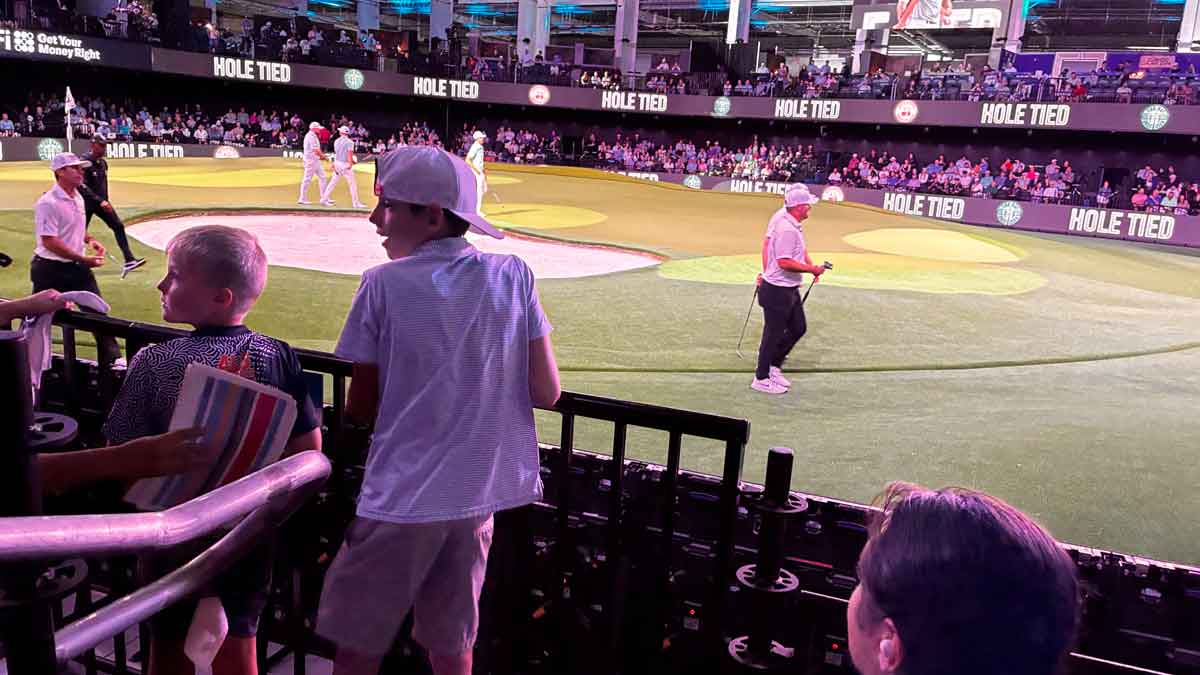

The Excitement of TGL Golf: An Inside Look at the Palm Beach Experience
PALM BEACH GARDENS, Florida—If you’re eager to witness Tiger Woods in action this year, mark your calendars for Tuesday at 7 p.m. Eastern Time when ESPN broadcasts the fourth week of the second season of the TGL golf league. While Woods himself won’t be playing, the action will feature his team, Jupiter Links, as they go head-to-head against the New York Golf Club. As the owner-operator of the Jupiter team, Woods’ presence will certainly add some excitement as he will be seen moving between the rotating green and the teeing ground at the SoFi Center, strategically situated off PGA Boulevard, a prime location for golf enthusiasts.
For those in South Florida—home to approximately six million residents—you have the chance to catch this action live. As of Tuesday morning, tickets were still available, starting at $250 through Ticketmaster. Given the popularity of the event, securing your seat at this unique indoor golf experience is a must for any golf fan.
My Experience at TGL: Navigating the Venue
I attended the opening week of TGL this season and opted for the most economical ticket available, priced at $189, inclusive of various fees. However, parking fees caught me off guard. The valet parking fee stood at $80, while self-parking was set at $30. The SoFi Center, located on the Palm Beach State College campus, didn’t offer any free parking alternatives. Surprisingly, the parking attendant informed me that last year’s rate was $40, raising questions about economic trends in the area.
The parking lot atmosphere buzzed with anticipation as fans arrived in stylish vehicles, reminiscing about the golf culture while discussing new golf course developments nearby, such as Apogee, featuring multiple courses just 20 miles north.
The Arena Experience: A Mixed Bag
Upon entering the SoFi Center, I observed that while the venue was clean and modern, it lacked a robust selection of food options. Priced at $8 for soft pretzels and $14 for hamburgers, the limited food choices surprised many attendees. The arena holds about 1,500 spectators, yet numerous seats remained vacant during the match-up between the Atlanta squad and the Bay team from San Francisco.
Confession time: although I had watched TGL on television, the format was initially puzzling to me. I am not accustomed to hitting balls on simulators, and while I have enjoyed live sports, TGL’s unique combination of indoor spectacular and simulation was new territory.
A Technologically Immersive Experience
The technological aspect of TGL is fascinating. Attendees are provided with earbuds as a way to enhance the viewing experience, though the process of linking to commentary was a bit cumbersome for me, taking an extra 20 minutes. I eventually gave up, but those who persisted were rewarded with player interactions and game highlights broadcast through dedicated channels.
One standout player on the Atlanta team was Billy Horschel, a former Florida Gator golfer. His energetic approach to the game was captivating. As he made a shot toward the gigantic screen, there was a palpable sense of excitement. The SoFi Center eliminates the unpredictability of wind, allowing players to focus solely on their trajectories and techniques.
Game Day Atmosphere: Lights, Sound, Action!
The ambiance within the SoFi Center was electrifying, highlighted by flashing lights and a powerful sound system. The constant flow of music enhanced the thrill of the match, alongside insights from the public address announcer. For those watching live or via ESPN, the overarching strategy of "throwing the hammer" was a recurring theme, generating chatter among fans.
"Throwing the hammer" is a tactical approach in TGL that allows teams to double points on specific holes. While attending the event, it became clear that interacting with mobile technology had become part of the spectator experience, which is both innovative and indicative of modern sports viewing.
Understanding the ‘Hammer’ in TGL
Curiously, the term "hammer" doesn’t refer to the tool many would expect. Instead, Horschel’s hammer was akin to a cleaning cloth, tucked away in his pocket. Players crafted their approach with style, making it apparent that branding thrives in this new format of golf. Team uniforms adorned with logos from esteemed corporations like Delta and Cisco showcased the commercial aspect of this evolving sport.
Notable figures in attendance included Lexi Thompson and LPGA Commissioner Craig Kessler, who hinted at the upcoming women’s TGL league. As observed, key PGA Tour executives shared a vested interest in TGL’s success, emphasizing its potential impact in retaining star golfers within the PGA Tour.
The Thrill of Competition: Scoring and Strategy
After nine holes, the competition was close with Atlanta leading 4 to 3. While I didn’t have a vested interest in the outcome, my curiosity piqued as I exited for a brief moment to try my hand at a simulator run by the PGA of America. Although my skills left something to be desired—my first swing with a 7-iron saw the ball vanish into a virtual ocean—it was an entertaining sidestep from the main event.
Later, a buzzy atmosphere erupted when a player from Atlanta, Chris Gotterup, made an impressive bunker shot and the crowd reacted with enthusiasm. The final score concluded with Atlanta Drive Golf Club achieving 7 points against Bay Golf Club’s 4, but the focus on profits and entertainment over tradition raised intriguing questions about the future of golf leagues.
Rethinking Expectations: The Future of Live Sports
Reflecting on TGL, I couldn’t help but reminisce about past sports experiences. When Topgolf was first introduced to me, I dismissed it as a glorified driving range. Similar skepticism crossed my mind when I encountered the real-time experience of a driverless car in the parking structure, showcasing how technology is continuously reshaping our world.
What distinguishes TGL from traditional sporting leagues is its pioneering principles driven by commercial success and entertainment value. Past casual views of sports have evolved dramatically, leading to interesting new narratives around athletes and fans that could transform the culture of golf.
Conclusion: The Role of Entertainment in Sports
While my affinity lies in the classic aspects of golf, the allure of TGL and its integrative approach to sports entertainment cannot be denied. Whether you’re a traditionalist or an avid sports junkie, TGL offers a unique blend of modern technology, competitive spirit, and community engagement that is redefining how we experience golf. As the league continues to evolve, it remains open to new interpretations, poised to generate excitement, and, importantly—entertain.
For ongoing discussions and insights into the intricacies of TGL and golf culture, feel free to reach out via email at Michael.Bamberger@Golf.com. Keep your eyes peeled for the resurgence of golf entertainment; it is undeniably on the rise.
