


Baltusrol Golf Club: A Historic Gem with Unique Features
If you’re a golf enthusiast or simply a resident of New Jersey, Baltusrol Golf Club is a name that resonates deeply. Much like Carnegie Hall in the music world or Katz’s Delicatessen for food lovers, Baltusrol stands as a significant cultural institution. Founded over 130 years ago, this elite golf destination has played host to 18 major championships and boasts a stunning 50,000-square-foot Tudor Revival clubhouse, an architectural marvel recognized as a National Historic Landmark in 2014.
The Courses: Lower and Upper
Baltusrol is home to two distinct courses: the Lower and the Upper, both skillfully designed by the iconic golf course architect A.W. Tillinghast. While many prestigious clubs in the region—such as Winged Foot, Westchester Country Club, Trump Bedminster, and Philadelphia Cricket Club—offer exceptional golfing experiences, Baltusrol’s membership has a surprising preference.
Upper Course: The Preferred Choice
Interestingly, Baltusrol’s members often gravitate toward the less heralded Upper Course rather than the more renowned Lower Course. This trend is not due to a lack of pride in the Lower; rather, it reflects a desire for a more approachable and enjoyable round of golf. The Upper Course, known for its varied hole designs and locations along a mountainside, offers a gentler challenge, making it a favorite for casual play after work or friendly weekend rounds.
Recent Restoration: A New Look for the Upper Course
The appeal of the Upper Course has only grown following a recent restoration by acclaimed golf course architects Gil Hanse and Jim Wagner. Their meticulous work restored the course to its original configuration while enhancing its unique characteristics. According to Hanse, the Upper Course had been somewhat overlooked, described as a "sleepy little golf course."
Reviving Tillinghast’s Vision
Utilizing archival photographs and historical maps, Hanse and Wagner meticulously restored the course’s features. They extended greens to their original sizes and cleared trees to improve sight lines, all while remaining faithful to Tillinghast’s original design intent.
In discussing the restoration process, Hanse emphasized the importance of honoring a classic architect’s vision. "Trying to ascertain why [a designer] did something…we really try to avoid doing," he noted, underscoring their commitment to authenticity.
A Unique Feature: Two Greens on the 14th Hole
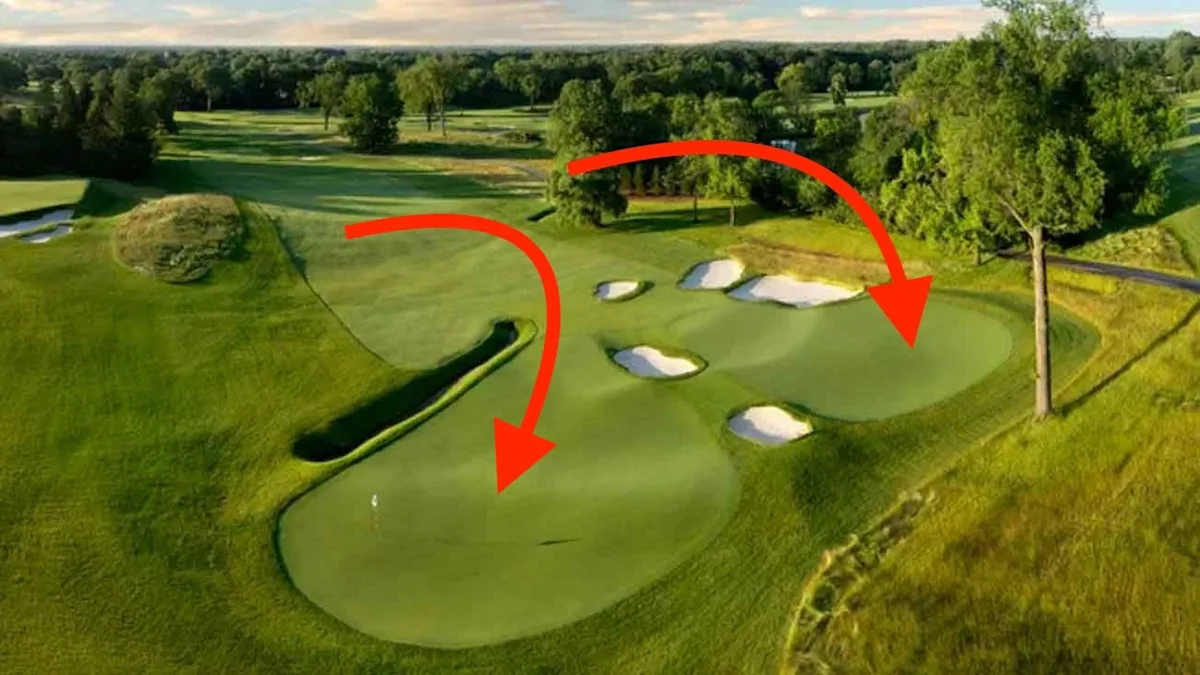
One of the most intriguing aspects of the Upper Course is the par-4 14th hole, which features two greens. This unusual addition dates back to preparations for the 1936 U.S. Open when club officials added a second green due to flooding issues with the original. After decades of neglect, the second green was rediscovered during the recent restoration.
The Dilemma: To Keep One or Both Greens?
Hanse faced a challenge: whether to retain both greens. "When we found the original contours of the lower green, the upper green was about six to seven feet above it, and we thought, ‘Well, these can’t coexist,’" he explained. However, further exploration revealed a way for both greens to coexist harmoniously.
The debate over whether to keep both greens continues among club members. While some embrace the novelty, others worry it may be too unconventional. Wirths, the club’s president, noted that Tillinghast’s fondness for dual greens lent weight to the argument for their inclusion.
The Experience Today
When playing the 14th hole, golfers can experience markedly different challenges depending on which green is in play. This innovative feature not only enhances gameplay but also encourages a broader conversation about the potential for more dual greens in modern golfing.
Conclusion: Looking Ahead
As the Upper Course settles into its new identity, the club plans to observe its play over the next year to determine the best approach for utilizing its unique greens.
In the end, Baltusrol Golf Club remains a beacon of historic significance and golfing excellence, captivating both players and enthusiasts alike. Whether it’s the charm of its Upper Course or the storied legacy of its 18 championships, Baltusrol continues to be an essential destination in the world of golf.
Key Points of Interest:
- Foundation Date: 130 years ago
- Major Championships Hosted: 18
- Clubhouse Size: 50,000 square feet
- Courses: Lower and Upper, designed by A.W. Tillinghast
- Unique Feature: Two greens at the par-4 14th hole
Exploring the beauty and challenges of Baltusrol Golf Club is not just about golf; it’s about experiencing a legacy intertwined with the fabric of golf history.
