


Hello, Daily Duffer readers! Sarah Chen here, and I’m thrilled to share some insights with you today. As a PGA-certified instructor with over 15 years on the range, I’ve had the privilege of working with players at every level, from weekend warriors to tour professionals. My unwavering belief is that with the right instruction and a committed mindset, anyone can elevate their game. Today, we’re going to talk about a fundamental aspect of golf that often gets overlooked in the pursuit of the latest and greatest technology: the feel and history of your equipment, and how that can translate into better performance.
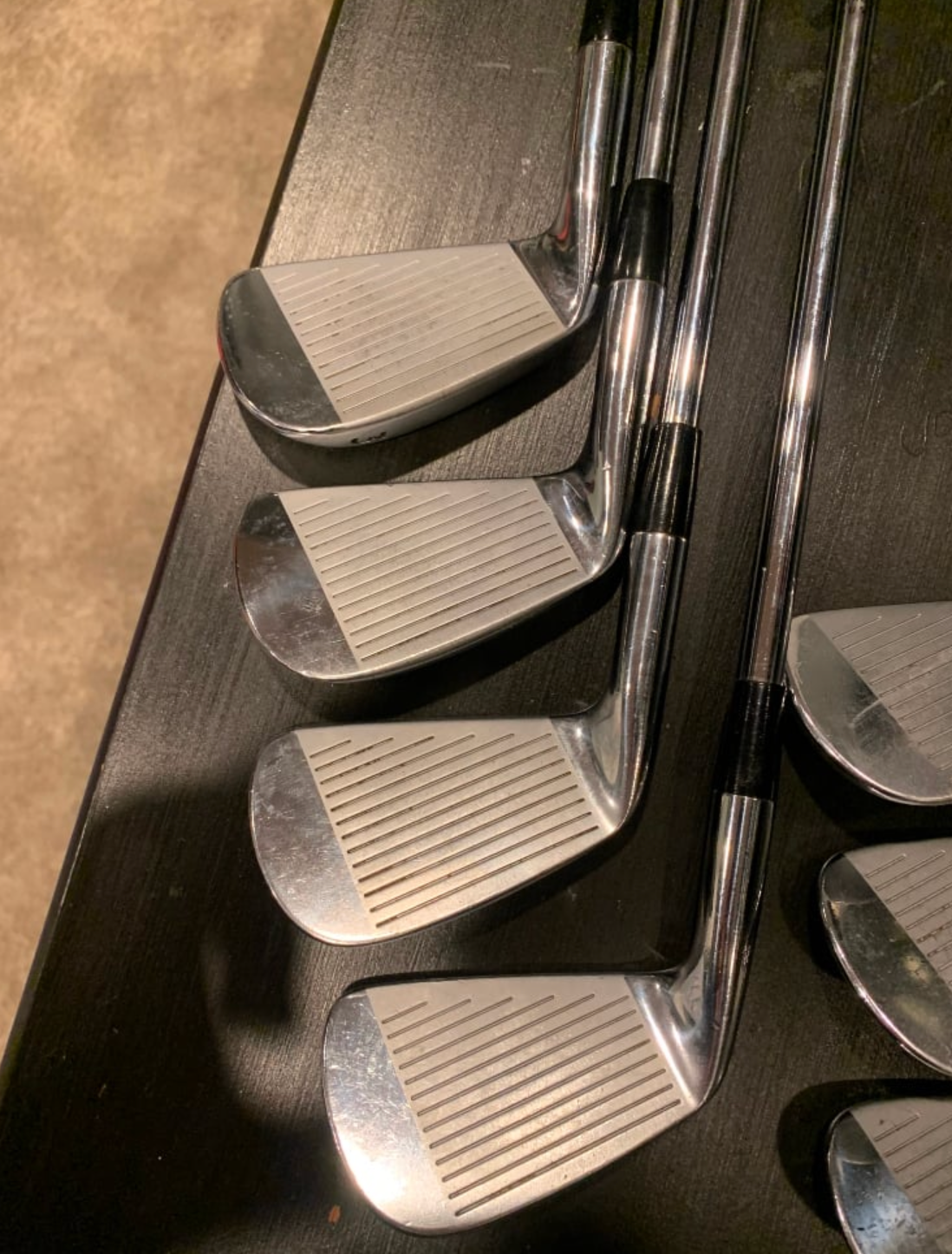
I recently came across an interesting post in the GolfWRX buy/sell/trade (BST) forum about some truly unique irons. These weren’t just any irons; they were described as “Nike Tour Issue Unicorn irons” from a PGA Tour winner. Now, while most of us aren’t playing with tour-issue clubs, the story behind these irons highlights something vital: the connection a golfer has with their tools.
When you pick up a club, do you feel a sense of confidence? Do you understand its purpose in your bag? The feel of a club in your hands – the weight, the balance, the grip – is paramount. It’s what connects you to the ball and allows you to execute your swing. These particular irons were described with careful detail:
“Just one fun one today. Old school forged CB/MB from a PGA tour winner, sold to me as conforming grooves but haven’t taken the time to get verified. 3-p, shafts feel like ~120g stiff or X, but there weren’t any labels on the ends when new grips were installed. The MC grips are new, very good shape for their age except the PW dime. Grooves are good though and was just gonna get it refinished. Not sure what to list them for and open to offers, so will list at $450 shipped and go from there. Maybe a partial trade but cash wins.”
What resonates with me here isn’t just the fact they’re “tour issue,” but the attention to detail given to their feel – the assumed shaft weight of ~120g, the condition of the grooves, the specific mention of new MC grips. This level of awareness regarding your equipment’s characteristics is something every golfer should cultivate.
The Importance of “Feel” Beyond the Clubs
While we might not all be hunting for “unicorn” irons, the principle of understanding and feeling your equipment is universal. It extends beyond the clubs themselves to the subtle nuances of your swing. When I talk about swing mechanics with my elite players, we meticulously break down how the club feels through impact, how the turf reacts, and even the vibration felt up the shaft.
A forged iron, like the ones mentioned, is often praised for its “feel.” This isn’t just marketing jargon. Forged irons, due to their construction, tend to offer more feedback on mishits, giving you immediate information about where you struck the ball on the face. This feedback loop is crucial for improvement. If you can feel a slight toe strike or a thin shot, you can then make the necessary adjustments.
Drill: The “Feedback Finder”
Try this: Take a striking spray or even just some baby powder and lightly coat the face of your irons. Hit 5-10 balls, focusing not just on the result, but on how the club feels. After each shot, look at the spray pattern to see precisely where you made contact. Now, connect that visual feedback with the feel. Did a toe strike feel different from a heel strike? A thin shot different from a fat one? Understanding these sensations will dramatically improve your ability to self-correct.
The Intangible Value: Confidence and Connection
The story of these “old school” irons also brings up the idea of connection and confidence. When you have equipment that you trust, clubs that feel right in your hands, it inherently builds confidence. The seller’s description hints at this:
“Old school forged CB/MB from a PGA tour winner, sold to me as conforming grooves but haven’t taken the time to get verified.”
There’s an implicit value in knowing these clubs were once in the hands of a professional. While you might not play with clubs that belonged to a tour winner, you can create that same sense of connection with your own equipment. Spend time with your clubs. Understand their lofts, their lies, and how they perform for you in different situations.
Drill: The “Blindfold Feel Test”
While you wouldn’t do this during actual play, it’s a fantastic practice drill. Go to the range with a friend. Have them hand you different clubs (start with irons of varying lengths, like a 6-iron, 8-iron, and pitching wedge) without you looking. Close your eyes and simply grip the club. Swish it through the air a few times. Can you identify which club it is based purely on its weight, length, and balance? This exercise hones your kinesthetic sense and deepens your understanding of each club’s unique characteristics. The more you feel the club, the better you’ll control it.

Maintaining Your Tools: A Sign of Respect and Performance
Another crucial detail from the listing mentioned the condition of the grips and grooves:
“The MC grips are new, very good shape for their age except the PW dime. Grooves are good though and was just gonna get it refinished.”
This tells us that even for high-level equipment, maintenance is key. Worn grips can lead to a less secure hold, causing you to grip tighter and restrict your swing. Worn grooves diminish your ability to impart spin on the ball, especially from the rough, leading to less control and stopping power. Regularly cleaning your grooves and checking the condition of your grips are simple, yet impactful, ways to ensure your clubs perform optimally. I tell my students that your clubs are an extension of your body; treat them with the care you would your own hands.
Practice Routine Checkpoint: Club Maintenance
Before or after every practice session, take five minutes to clean your clubfaces and grips. Use a wire brush for your iron grooves and a damp cloth for your grips. Feel the texture of your grips. Are they still tacky? Smooth? If they’re showing signs of wear, consider regripping. It’s a relatively inexpensive upgrade that can have a significant impact on your control and confidence.
Ultimately, whether you’re playing with brand new equipment or a set of “unicorn” irons, the principles remain the same: understand your tools, build a sensory connection with them, and maintain them diligently. This approach will not only enhance your enjoyment of the game but will undoubtedly lead to better, more consistent golf. Keep practicing, keep learning, and keep enjoying this wonderful game!
