

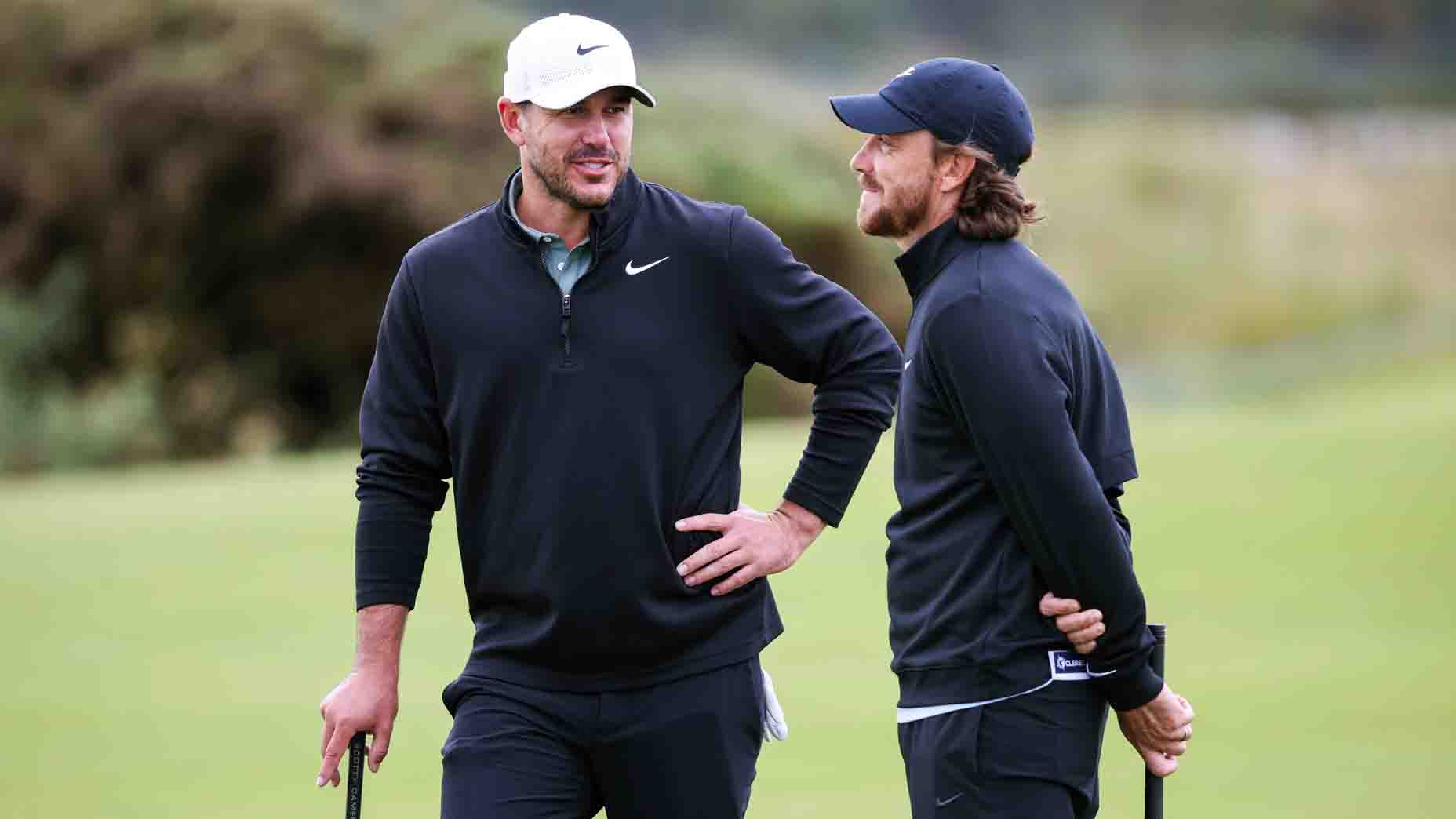

Brooks Koepka’s PGA Tour Return: A Game-Changer for Golf’s Future
Brooks Koepka’s return to the PGA Tour has sent ripples throughout the golfing world, igniting discussions on the implications for both the PGA and the LIV Golf League. His transition back from LIV Golf, facilitated by a unique pathway for elite players, marks a significant development amid the ongoing rivalry between the two tours. As the first major name to defect back, Koepka’s decision might signal a pivotal change in the landscape of professional golf.
Tommy Fleetwood, a fellow golfer, perceives the situation through a different lens. For him, Koepka’s return is less about a broader trend and more about individual aspirations. Ahead of the Hero Dubai Desert Classic, Fleetwood articulated that players should gravitate toward environments where they can best achieve their goals. "Personally, I’m playing where I feel like I can still chase my dreams," Fleetwood stated. This sentiment reflects the ongoing negotiations and decisions players face when aligning their careers with either tour.
Koepka’s move back to the PGA Tour comes at a time when notable players like Jon Rahm, Bryson DeChambeau, and Cameron Smith have opted to remain with LIV Golf. They have publicly announced their intention to stick with their current tours, rejecting the short-lived "Returning Member Program." DeChambeau’s acknowledgment of the leverage he holds, thanks to his lucrative contract that extends into 2026, illustrates the choices players must weigh. The negotiation landscape is continually shifting, further complicating the breakaway league’s position.
As Fleetwood noted, no one can predict whether Koepka’s return will lead to a mass exodus of elite talent from LIV Golf. "What the future holds, I don’t know," he shared, emphasizing the uncertainty surrounding the sport’s trajectory. Meanwhile, the PGA Tour has successfully positioned itself as an attractive option for many players, featuring high-stakes events and significant financial incentives. Fleetwood expresses gratitude for the Tour’s current standing, acknowledging that Koepka’s return enhances the competition.
The significance of Koepka’s return resonates beyond just player dynamics; it serves as a barometer for the ongoing "civil war" in professional golf. Tiger Woods has weighed in, pointing out that having a top-tier player like Koepka back on the Tour reinforces its position and viability. According to Woods, the return "says a lot about the PGA Tour," reinforcing its appeal among elite athletes who have chosen to stay committed to its principles.
Rory McIlroy has added to this narrative by commenting on LIV Golf’s attempts to attract high-profile players. Despite its efforts, he argues that the league has lost traction with star players like Koepka, stating that no major new signings have occurred that can change the game’s landscape significantly. His observations underscore the challenges LIV Golf faces in a competitive marketplace filled with established Tour events and prestigious competitions.
As Koepka prepares for his scheduled appearance at the Farmers Insurance Open at Torrey Pines, anticipation builds around what his presence will mean for the Tour and its fabric. Fans and analysts alike are keenly watching to see how he performs and whether his success can spur other players to reconsider their alignments.
This pivotal moment underscores a crucial aspect of professional golf: players are increasingly weighing personal fulfillment and financial incentives. For many, aligning with a tour that offers them the best opportunities for success, visibility, and monetary reward is paramount. Koepka’s decision embodies this essential struggle, raising questions about the future of both the PGA Tour and LIV Golf.
The unfolding saga of Koepka’s career reminds us that professional sports are not just about competition on the field; they are also about personal journeys and the choices athletes make in the face of shifting landscapes. As the dust settles from this significant transition, the golfing community must brace for continued evolution, with each player’s decision potentially shaping the future direction of the sport.
In conclusion, Brooks Koepka’s return to the PGA Tour is a landmark event that raises essential questions about the future of professional golf. As elite players evaluate their options, the implications of these choices will resonate throughout the sport for years to come. Whether this leads to significant shifts or merely reinforces existing structures remains to be seen, but one thing is clear: golf is at a crossroads, and every player’s decision counts.
