


The Future of LIV Golf: Assessing the Impact of Brooks Koepka’s Departure
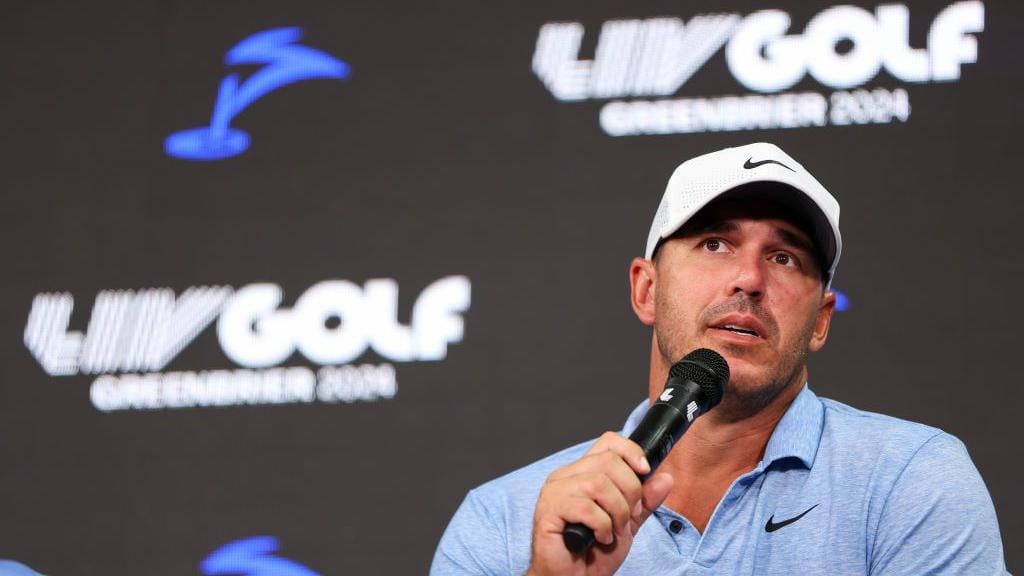
LIV Golf stated that Koepka’s departure was "amicably and mutually agreed." [Getty Images]
As LIV Golf gears up for its fifth season in February, uncertainty looms over the controversial league that broke away from traditional professional golf circuits, including the PGA Tour. Supported by substantial Saudi Arabian investment, LIV Golf initially attracted top-tier talent with lucrative contracts. However, recent developments suggest a potential shift in dynamics.
Koepka’s Bold Move
In December, Brooks Koepka, a five-time major champion, made headlines by becoming the first major star to return to the PGA Tour after joining LIV in 2022. He cited prioritizing "the needs of his family" as his reason for leaving LIV. Koepka’s return was facilitated by the PGA Tour’s new ‘Returning Member Programme,’ designed to welcome back players who have recently won major championships.
PGA Tour CEO Brian Rolapp emphasized the effort to enhance the fan experience, stating, "We will continue to aggressively pursue anything that enhances the fan experience and makes the PGA Tour stronger."
The Ripple Effect
Following Koepka’s exit, other players, including Patrick Reed, expressed openness to leaving LIV if conditions were favorable. Reed, the 2018 Masters champion, hinted he would consider a return to what he deemed "the best tour in the world."
"Ever since our talks at the White House last February, there were always ways to make our sport unified again," PGA Tour player director Tiger Woods remarked, indicating the desire for reconciliation within the golf community.
LIV’s Strategic Landscape
Amid the potential player exodus, some prominent LIV golfers, including Jon Rahm and Bryson DeChambeau, reaffirmed their commitment to LIV. However, uncertainty about the league’s stability remains, especially in light of Koepka’s departure and comments from Rory McIlroy, suggesting LIV may be declining due to its failure to attract new elite talent.
Economic Viability and Future Prospects
Despite its ambitious beginnings, LIV Golf faces mounting financial scrutiny. Recent reports highlight significant losses, estimated at over $1.1 billion since its inception, raising questions about its long-term viability. In contrast, the Public Investment Fund (PIF), which plays a crucial role in financing, appears to be reassessing its strategy in light of broader economic circumstances.
While LIV claims to be the “world’s golf league,” it must pivot effectively to address ongoing challenges and sustain its competitive edge. Significant investment in emerging markets, sponsorships, and fan engagement strategies will be critical for its success.
Conclusion: A Crossroads for Golf
As Brooks Koepka’s departure echoes through the golf world, the future of LIV Golf remains uncertain. With high-profile athletes weighing their options and the PGA Tour strategically reorienting its approach, the outcome of this ongoing rivalry may reshape the landscape of professional golf for years to come.
In summary, while LIV Golf aims to foster a new global golfing experience, it is evident that the competition for player loyalty and market stability will become increasingly complex as key players evaluate their options in an evolving sports landscape.
