

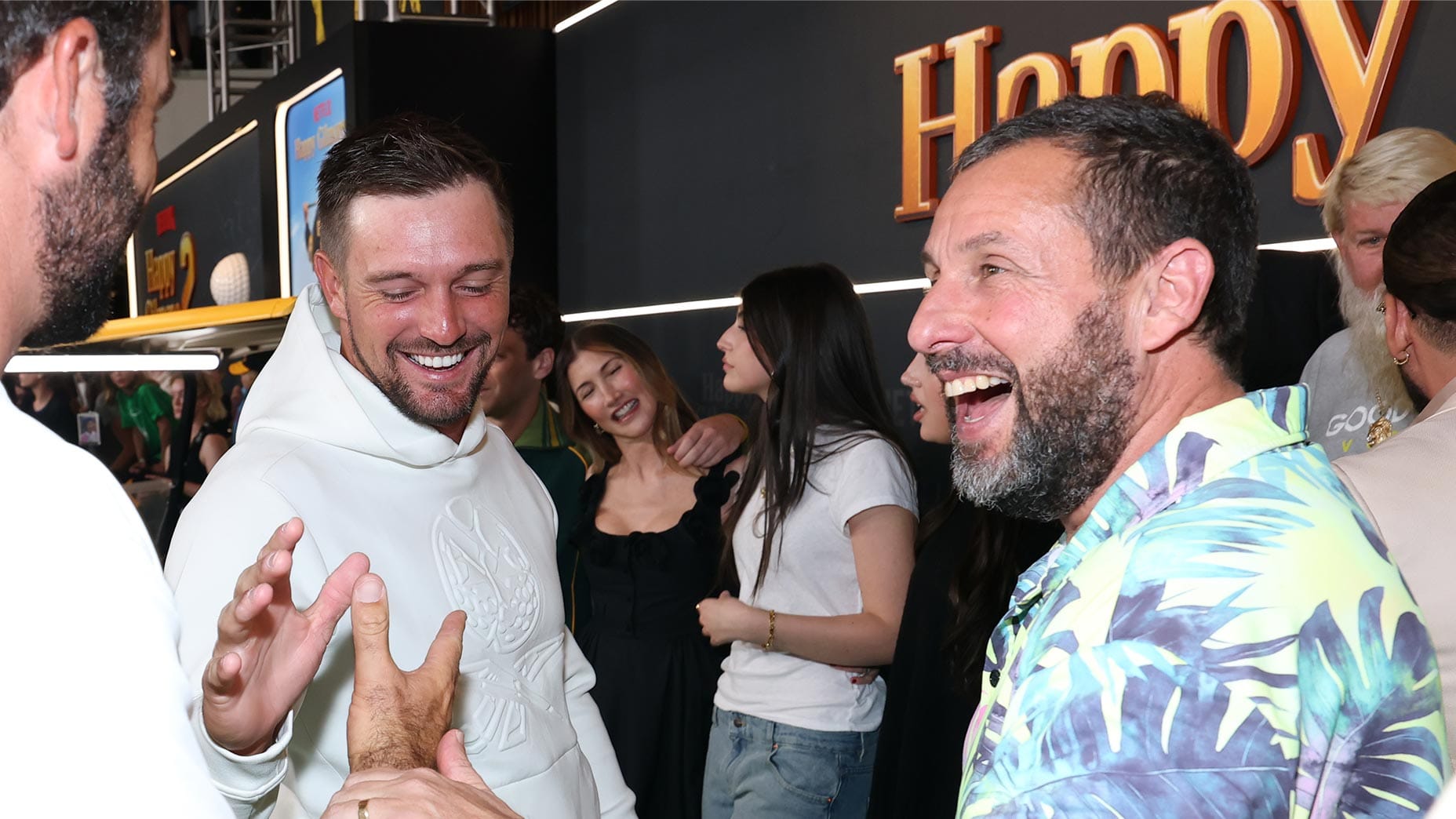

Happy Gilmore 2: A Smash Hit That Revives Golf in Hollywood
The resurgence of Happy Gilmore through its sequel, Happy Gilmore 2, has transformed it from a mere cult-favorite to a box-office phenomenon. While the original film captured the hearts of golf enthusiasts and comedy lovers in the ’90s, the new installment steps onto the scene with smash-hit status. Released on Netflix, it has resonated with audiences; redefining the landscape of comedic films in today’s streaming era.
Netflix’s Success with Happy Gilmore 2
Just recently, Netflix announced that Happy Gilmore 2 topped its English-language “Top 10” chart for two straight weeks, amassing an impressive 40.8 million viewers during its second week alone. The cumulative audience has soared to nearly 90 million viewers. This surge in viewership has not only elevated the new film but has also rekindled interest in the original Happy Gilmore, which attracted an additional 11.3 million viewers, landing it at fourth place in the streaming platform’s charts. This phenomenon is not just a testament to nostalgia but indicates a major cultural revival centered around the sport of golf.
Golf Fans Rejoice: A Long-Awaited Follow-Up
The anticipation for Happy Gilmore 2 has been palpable among golf fans who yearned for a sequel to the beloved original. Golf enthusiasts, who grew up with Adam Sandler’s quirky portrayal of a hockey player-turned-golfer, have found a gratifying blend of comedy and celebrity cameos in the sequel. The film appeals not only to fans of the first movie but also attracts new viewers, making it a multi-generational hit.
The State of Comedy in Modern Cinema
The success of Happy Gilmore 2 comes as a surprise to many insiders in Hollywood, particularly given the current climate of film production where comedy seems to have taken a backseat. Many attribute the decline in comedic films to the evolving economics of the industry. Productions now lean towards either high-budget blockbusters or low-cost indie films, leaving mid-budget comedies struggling for attention. Against this backdrop, Happy Gilmore 2 stands out, proving there is still an appetite for lighthearted entertainment.
The Financial Viability of Comedy Films
In a world where financial success often dictates the types of films being greenlit, Happy Gilmore 2 has cleared the hurdles of marketability and profitability. The film has not only become one of Netflix’s most-watched films of the year but is also fast approaching the ranks of Netflix’s Top 10 most-watched English language films of all time. This achievement is notable, especially considering that comedies are often seen as risky investments.
Netflix’s Marketing Push Pays Off
Netflix’s commitment to promoting Happy Gilmore 2 played a pivotal role in its success. The platform invested heavily in marketing campaigns, which has proven effective, allowing the film to gain tractionl. This strategic marketing effort not only showcased the film to potential viewers but also highlighted the Netflix brand as a premier platform for high-quality entertainment.
A Renaissance for Golf in Hollywood
The success of Happy Gilmore 2 surfaces at a time when golf is increasingly finding its way back into the spotlight within Hollywood. Following a pandemic boost for the sport, major production companies like Netflix and Apple have initiated the development of shows and films centered around golf. The renewed interest in golf-themed content indicates that Hollywood is finally recognizing the sport’s potential for engaging storytelling.
Other Upcoming Golf Projects
Aside from Happy Gilmore 2, golf-themed content is on the rise. AppleTV has plans for a second season of the show Stick, despite lukewarm reviews, which illustrates the sheer demand for golf-related narratives. Moreover, Netflix has also announced an upcoming comedy TV series involving Will Ferrell and Molly Shannon, directed by Rian Johnson, further solidifying golf’s renewed importance in mainstream cinema.
Maintaining Golf’s Cultural Relevance
The resurgence of films like Happy Gilmore 2 is not just significant for Hollywood; it has enormous implications for the sport itself. The post-Tiger Woods era has seen golf drift from the center of cultural conversations, but rejuvenated cinematic interest helps maintain its relevance. The crossover appeal of comedic films and the sport can create a ripple effect; fostering a younger audience’s interest in golf and buoying the business of those who are involved in writing, marketing, and playing the game.
The Future of Golf in Entertainment
The trajectory paved by Happy Gilmore 2 signals a newfound promise for golf in the realm of entertainment. As more projects emerge, both in film and television, there exists a palpable optimism for golf’s portrayal in popular culture. This renaissance is beneficial not only for fans but also for the industry, creating a synergy between viewing experiences and golfing culture that has the potential to revive the sport’s popularity for years to come.
In conclusion, Happy Gilmore 2 has exceeded expectations, carving a niche for itself in the comedy genre while simultaneously providing a renewed interest in golf. Its impressive performance on Netflix exemplifies the capability of well-timed and marketed content to break through the clutter in a competitive entertainment landscape. As we watch this space, it’s clear that the fusion of golf and comedy has ushered in an exciting era—one that both fans and the industry should enthusiastically embrace.
