


The Comprehensive Guide to Choosing Between Cast and Forged Irons for Your Golf Game
When it comes to golf, selecting the right set of clubs can significantly impact your performance on the course. One of the crucial decisions golfers face is choosing between cast and forged irons. Understanding the differences between these two options can help you choose the right clubs to suit your unique playing style. In this article, we’ll explore everything you need to know about cast and forged irons, so you can make an informed decision.
Understanding the Basics: Cast vs. Forged Irons
The primary distinction between cast and forged irons lies in their manufacturing processes. Forged irons are crafted from a single piece of metal that is hammered or stamped into shape. This technique allows for unparalleled precision and control. Conversely, cast irons are made by pouring liquid metal into a mold, giving them a more consistent shape but potentially sacrificing that unique feel.
Player Type: Who Benefits from Each Type of Iron?
Choosing the right iron depends partly on your skill level. Historically, forged clubs were marketed towards elite players who sought superior feel and control. However, advancements in manufacturing have resulted in several forged options tailored for higher-handicap players. This means that whether you’re a beginner or an experienced golfer, there are suitable options in both categories.
The Feel Factor: Performance Differences
Understanding how each type of iron performs is essential for making your decision. Generally, forged irons are known for their softer feel, offering a more immediate connection with the ball. This feature is especially appealing to skilled players who value feedback in every shot. On the other hand, cast irons may feel firmer, which can be beneficial for those who prefer a more robust feel during their swing.
Finding the Right Fit: Test Before You Buy
So, how can you determine which type of club suits your game best? The answer lies in testing various models. Spend some time at your local driving range or golf store, experimenting with different cast and forged options. Pay close attention to how each club responds to your swing and how they feel during contact with the ball.
Customization: Beyond Just Cast vs. Forged
Once you’ve decided between cast and forged, several other customization factors come into play. Shaft material—whether graphite or steel—can dramatically affect your performance. Each material has its own weight and flex characteristics, which can influence your swing dynamics. Discussing these options with a club fitting expert can further refine your decision.
The Advantages of Forged Irons: Precision and Control
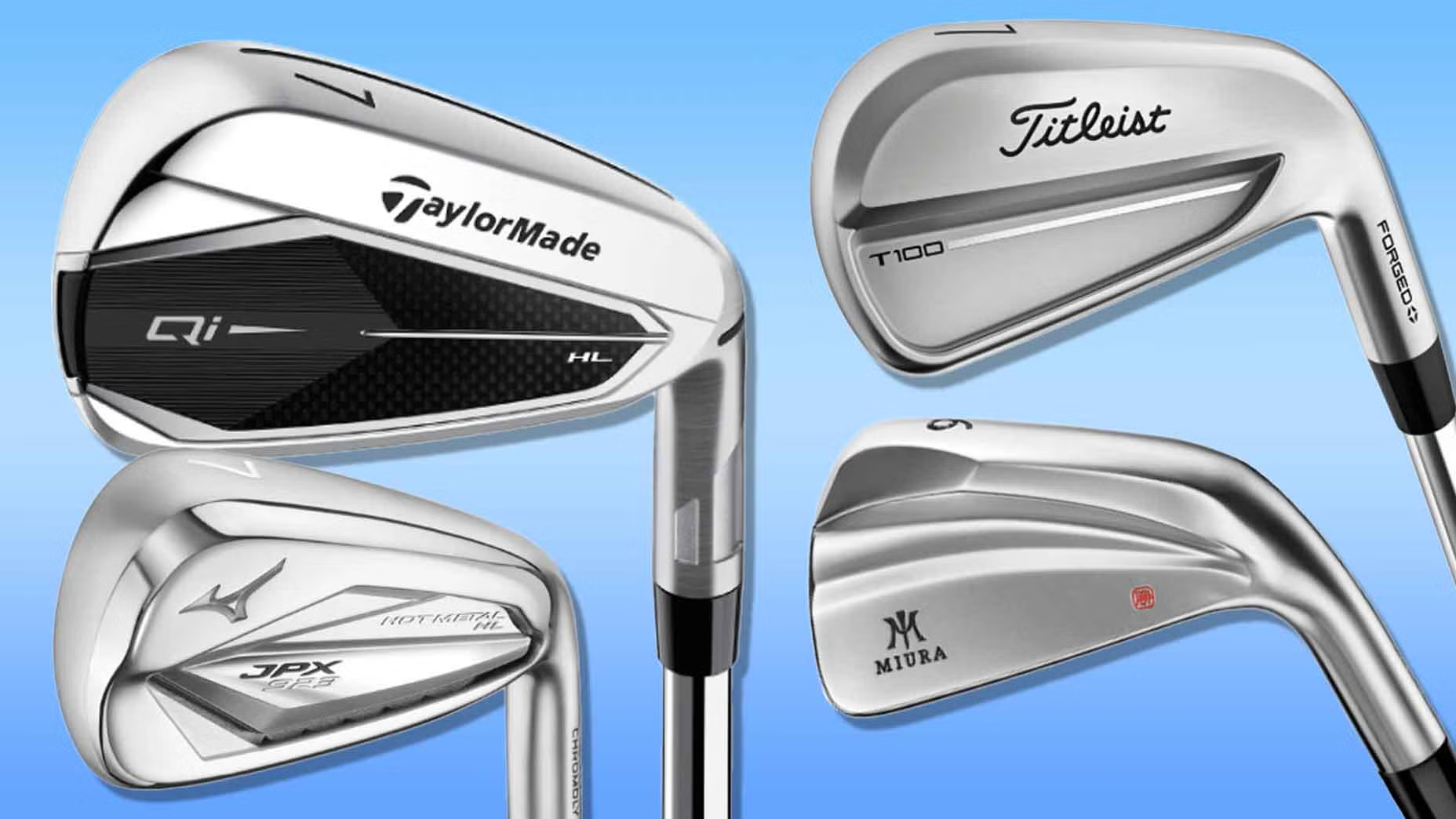
If you lean toward forged irons, options like the Titleist 2025 T100 Custom Irons provide a superb blend of feel and control. Designed for players striving for precision, these irons feature a masterfully forged body that enhances shot accuracy while offering a buttery feel. A key advantage of forged irons is their enhanced stability, allowing for consistent performance even in varying playing conditions.
The Advantages of Cast Irons: Forgiveness and Consistency
Conversely, cast irons often provide greater forgiveness, which can boost the confidence of higher-handicap players. Their design typically includes multiple technologies focused on maximizing distance and consistency. Cast irons can help players find their rhythm and consistency, making them an ideal choice for those still perfecting their game technique.
Key Features to Look For
When selecting either cast or forged irons, keep an eye out for advanced technologies that enhance performance. Look for enhancements like variable face thickness (VFT) technology or specialized grooves that promise better spin control. Additionally, pay attention to the center of gravity (CG) and overall design, which can significantly influence both trajectory and feel.
Making the Right Choice: Custom Fitting Recommendations
With so many options on the market, it’s wise to consult with a professional club fitter. They can analyze your swing and recommend equipment tailored to your skill level and playing style. To discover a fitting location near you, take advantage of resources like True Spec Golf, which specializes in personalized fittings to pinpoint the right clubs for your game.
Conclusion: Taking the Next Step for Your Game
In summary, the choice between cast and forged irons is entirely subjective and dependent on your individual preferences and skill level. Regardless of your decision, the journey of refining your golf game begins with understanding these tools. By testing different options and considering customization features, you can find the perfect set of clubs to improve your performance on the course. Don’t hesitate to reach out for professional guidance, ensuring that your investment in new clubs yields the best possible returns on the golf course.
