

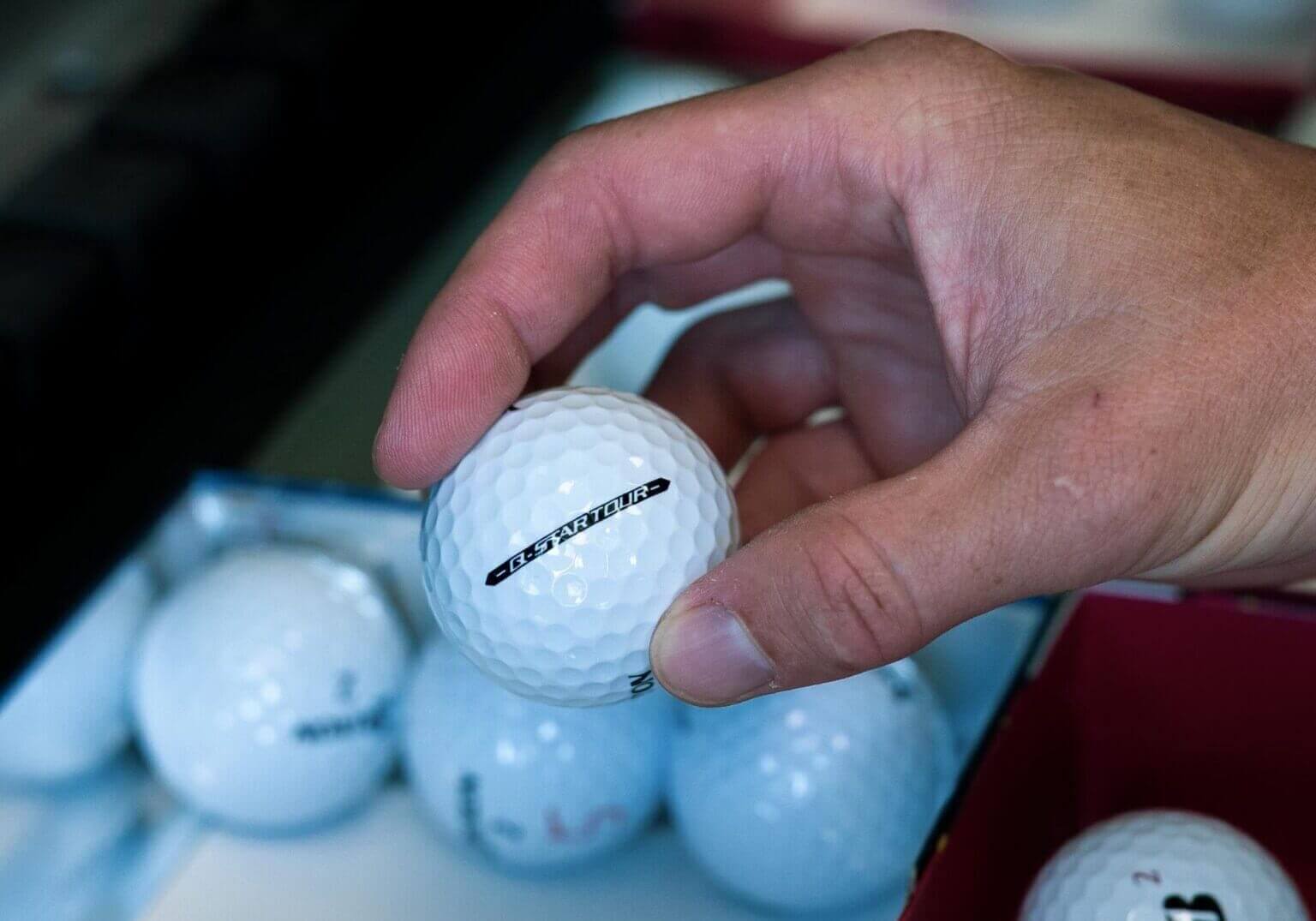

Understanding Golf Ball Compression for Slow-Swing Golfers
Golfers with slower swing speeds often consider compression as a key factor when selecting a golf ball. Low-compression balls are widely regarded to be more beneficial for these players as they are easier to launch. However, a closer examination reveals complexities that challenge this assumption.
The Misconception of Compression
While lower-compression balls frequently demonstrate higher ball flight, and certain firmer balls can produce greater distances, it’s essential to understand that compression is not the sole determinant of performance. Data suggests that performance differences arise more from flight characteristics rather than compression levels themselves.
Key Insight: Ball Speed Analysis
We initially investigated ball speed performance across various swing speeds using both drivers and irons. The results were revealing: ball speed remained remarkably consistent regardless of compression, indicating that performance hurdles for slower-swing golfers do not stem from compression.
The key findings include:
- Flat Ball Speed: There was no significant variation in driver or iron ball speed across a range of compressions.
- Launch Angle Stability: The differences observed were not related to how the ball left the club face, but rather to its flight profile—how it ascends, peaks, and descends.
Driver Performance: Exploring Distance and Flight
When examining drivers for slower swingers, a difference in total distance becomes apparent. Various balls finished differently despite similar ball speeds, reflecting the influence of spin and launch interaction.
Spin Dynamics
- Efficient performance occurs with a balanced spin rate.
- Excessive spin can reduce total distance, while insufficient spin results in inconsistent carries.
Data on Driver Performance at Slow Swing Speed
| Ball | Driver Ball Speed | Driver Spin | Driver Total Distance | Compression |
|---|---|---|---|---|
| TaylorMade SpeedSoft | ~123 mph | Outside efficient window | Shorter | 50 |
| Srixon Q-STAR TOUR | ~123 mph | Balanced | Efficient | 70 |
| Titleist Pro V1x | ~123 mph | Balanced | Competitive | 102 |
The above data illustrates that while compression varies from 50 to 102, the driver ball speed remains stable, confirming that spin rates significantly impact total distance.
Iron Performance: Height vs. Stopping Power
Many golfers presume that a softer ball leads to higher iron shots and better stopping capability. However, peak height alone isn’t sufficient—spin and descent angles play a critical role.
Analysis of Iron Performance at Slow Swing Speed (Mid Iron)
| Ball | Iron Ball Speed | Iron Spin | Iron Descent Angle | Compression |
|---|---|---|---|---|
| TaylorMade Tour Response | 88.24 mph | 4,260 rpm | 40.73° | 74 |
| PXG Xtreme Tour | 88.45 mph | 4,589 rpm | 42.84° | 94 |
| Titleist Pro V1x | 87.63 mph | 5,338 rpm | 40.66° | 102 |
Despite varying compression, the flat ball speed indicates that performance is determined by spin and descent angle combinations.
Choosing the Right Golf Ball: A Strategic Approach
To maximize performance, focus on how the ball behaves during flight rather than relying solely on compression. Here are suggestions based on specific performance issues:
If Irons Fly High but Don’t Stop:
- Look for balls with steeper descent angles.
- Recommended Options: Wilson Triad, Vice Pro Air, Callaway Chrome Tour
If Irons Struggle to Hold Greens:
- Choose designs that achieve descent angles above 42 degrees.
- Recommended Options: PXG Xtreme Tour, Maxfli Tour S, Bridgestone TOUR B RXS
If Driver Distance Feels Restricted:
- Opt for lower to mid driver spin for better carry-to-roll balance.
- Recommended Options: Srixon Q-STAR TOUR, PXG Xtreme Tour, Srixon Z-STAR DIVIDE
If Driver Distance Is Inconsistent:
- Seek stable mid-range driver spin to maintain consistency.
- Recommended Options: Vice Pro Plus, TaylorMade TP5x, Srixon Z-STAR XV
Conclusion: Rethinking Golf Ball Selection
While it may appear at first that compression explains why certain golf balls might work better for slower-swing golfers, a deeper dive into data about ball speed, spin, and descent angles reveals otherwise.
Ultimately, golfers with slower swing speeds do not experience performance losses due to incorrect compression choices, but rather from selecting balls outside optimal spin and flight characteristics. It’s time to rethink the focus of golf ball selection and consider the broader implications of performance attributes over compression alone.
