


Modern Graphite Iron Shafts: Revolutionizing Golf Performance
By: Kris McCormack
Published: May 15, 2025
Introduction to Graphite Iron Shafts
When you think of "graphite iron shafts," what initially comes to mind? Most likely, it’s the image of lightweight sticks designed for players with slower swing speeds. Traditionally, these shafts were associated with higher launch angles, aiming to deliver more carry for those not swinging at full throttle. However, this outdated perception of graphite iron shafts has changed dramatically, and it’s time for golfers of all levels to take notice.
Evolution of Graphite Technology
Over the past decade, advancements in materials, engineering, and manufacturing techniques have led to significant breakthroughs in graphite shaft technology. Major brands like UST, Fujikura, Mitsubishi Chemical, and AeroTech are now producing graphite iron shafts that provide a level of consistency and performance previously only associated with steel shafts. As golfers become more aware of these improvements, the stigma around graphite begins to fade.
Notable Innovations in Composite Shafts
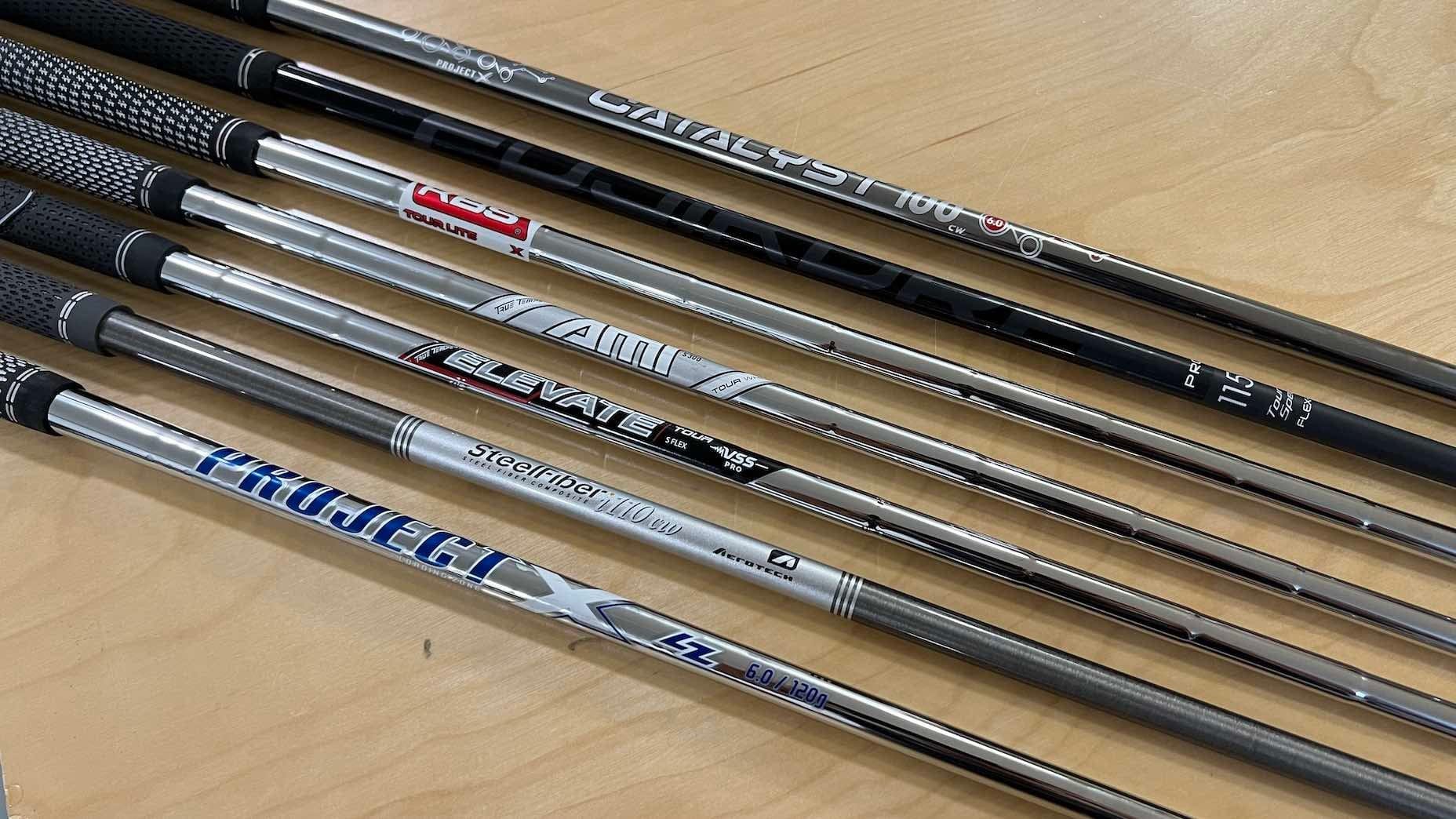
Modern graphite shafts, such as the UST Mamiya Recoil DART, Fujikura Axiom, Mitsubishi MMT, and AeroTech SteelFiber, offer unique features that set them apart. The UST DART, with its Directional Angular Routing Technology, enhances energy transfer while minimizing shaft deformation. This results in stability and control, allowing aggressive players to experience a smooth performance without the unwanted kick of traditional steel.
Understanding the Fujikura Axiom
Among the standout offerings in the market today is the Fujikura Axiom. Crafted using VeloCore technology, borrowed from their renowned Ventus line, the Axiom delivers exceptional stability and low torque while maintaining a soft feel. With options in weights ranging from 75g to 125g, it’s appealing to a variety of play styles, whether you’re a moderate-speed golfer or a fast swinger seeking Tour-level control.
Embracing Metal Mesh Technology
Mitsubishi’s MMT (Metal Mesh Technology) introduces a hybrid approach by embedding stainless steel mesh into the tip of the shaft. This innovation tightens shot dispersion while ensuring the vibration-dampening benefits associated with graphite remain intact. This technology has quickly become a favorite on Tour, providing players with steel-like performance blended with the advantages of composite construction.
The SteelFiber Difference
AeroTech’s SteelFiber shafts represent one of the pioneering models in high-performance graphite technology. By combining a high-modulus graphite core with a stainless-steel fiber wrap, these shafts offer the responsiveness of steel with enhanced shock absorption and reduced overall weight. This fusion of materials has garnered the trust of Tour professionals like Matt Kuchar, emphasizing SteelFiber’s consistent performance throughout various golf conditions.
The Advantages of Design Flexibility
What’s compelling about modern graphite iron shafts is not merely the weight savings; rather, it’s the extraordinary design flexibility they offer. Unlike steel, which is limited by its homogeneous structure, graphite shafts are built from layers of composite materials. Engineers have the ability to dictate how the shaft flexes and behaves throughout its length by manipulating the angle and composition of these layers. This tunability allows for various performance profiles, catering to individual player needs.
Steel vs. Graphite: Making the Choice
For golfers still contemplating their options, understanding the pros and cons of steel and graphite is essential. Steel shafts offer familiar stability and lower torque levels, yet they come with limitations in terms of design flexibility and comfort. On the other hand, graphite shafts boast a customizable experience with softer feels, reduced vibrations, and lighter weights. Although they may command a higher price point, the right graphite shaft can yield significant performance improvements.
Who Is Using Graphite on Tour?
It’s crucial to highlight that many of today’s elite players have adopted graphite shafts, demonstrating their viability at the highest levels of competition. Players like Tony Finau and Abraham Ancer have chosen graphite for better feel and tighter dispersion. Similarly, LPGA stars such as Lydia Ko have embraced these shafts for their benefits during high-stakes performances.
Who Should Consider Graphite Shafts?
If you haven’t explored graphite shafts in recent years, it could be time for you to reconsider. Modern graphite technology is designed for a broad audience, from high-speed players seeking enhanced control to older players aiming for comfort and reduced fatigue. Whether you’re a gear enthusiast aiming for the perfect fit or simply someone looking to improve their game, testing a modern graphite shaft could make all the difference in your performance.
Conclusion: The Future of Golf Shafts
The evolution of graphite iron shafts marks a significant shift in how golfers approach equipment choices. With brands like UST, Fujikura, Mitsubishi, and AeroTech leading the charge, today’s graphite shafts rival steel in performance while providing unique advantages that support golfers’ needs. Given the current advancements, it’s clear that modern graphite shafts are essential tools for every golfer, regardless of skill level.
As the golf community continues to recognize the benefits of graphite, the stigma surrounding these shafts dissipates. Elevated performance, improved feel, and less strain on the body are compelling reasons to consider making the switch. Don’t miss out on the opportunity to elevate your game. Explore your options, get fitted, and discover how modern graphite iron shafts can redefine your golfing experience.
