


The 30-Year Swing Problem: A Journey Towards Resolution
For many golf enthusiasts, mastering the perfect swing is a lifelong pursuit. Such was the case for one golfer who battled a swing issue for 30 years. The attempts to improve often led to frustration and confusion, but thanks to valuable insights from a recognized instructor, there may finally be a light at the end of the tunnel. The quest for a flawless swing not only highlights the challenges faced by amateur golfers but also the relentless passion that drives them to improve.
The golfer’s early experiences on the course were as thrilling as they were formative. From weekend rounds with friends to working on drills in the backyard, this dedication eventually collided with the oft-ignored reality of a consistent swing. Technical flaws are common, and the longer they persist, the more entrenched they become. In this case, a persistent swing problem haunted this golfer, essentially dictating their game for three decades. Identifying the root of the issue was the first step in reclaiming a more empowering relationship with the sport.
Swing Problems: Causes and Solutions
The complexity of the golf swing can lead to myriad problems. Whether it’s inconsistent ball striking, misalignment, or a lack of confidence, golfers find themselves grappling with various swing flaws. In this particular case, the issue appeared as a repeating cycle of bad habits that seemed impossible to shake. Recognizing and understanding the nuances of these challenges is crucial for any golfer looking to make a change.
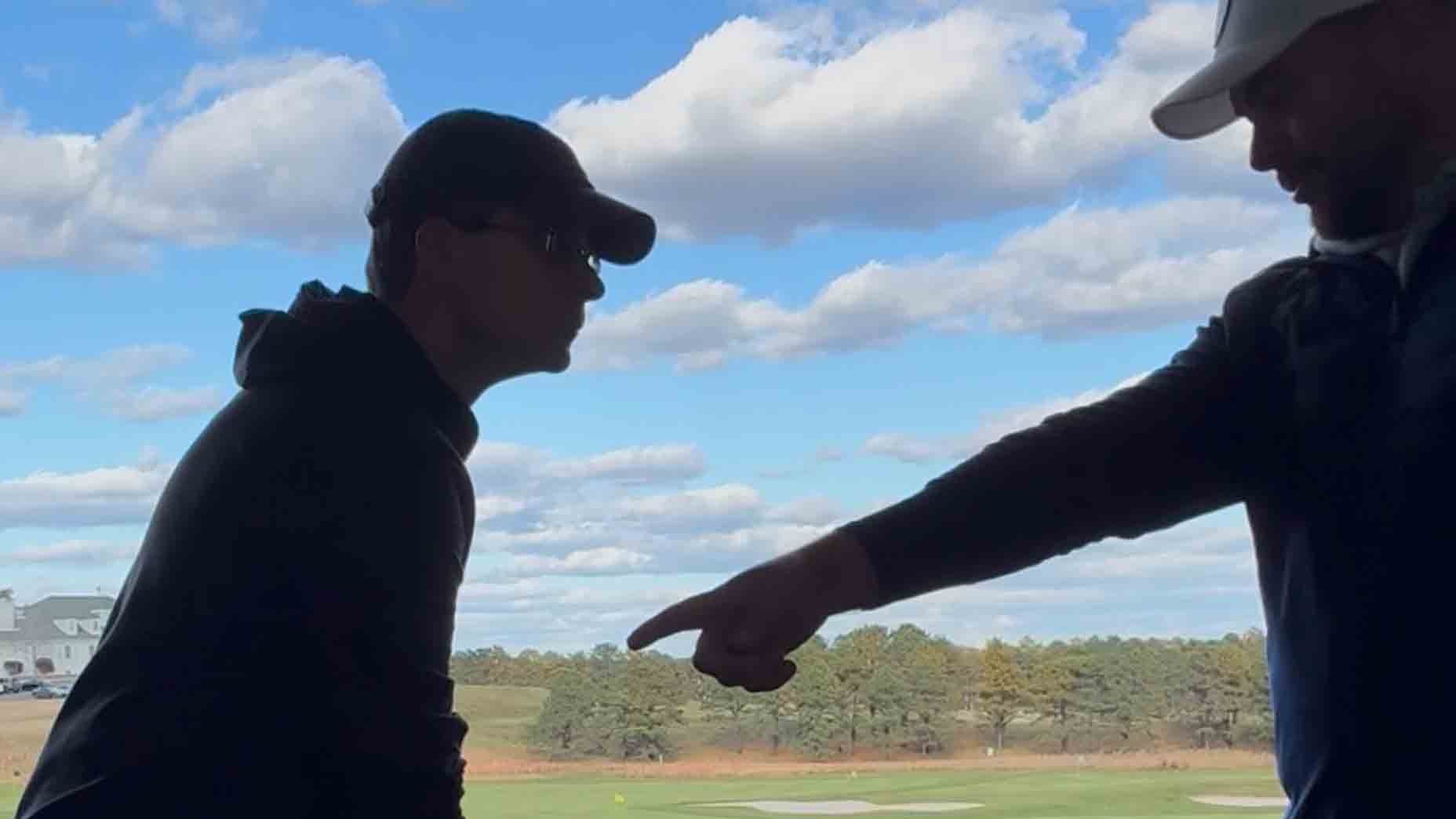
The turning point in this golfer’s journey came when they sought the guidance of a GOLF Teacher to Watch. This recognition wasn’t simply casual; it indicated that the instructor had noteworthy expertise and a proven track record of helping golfers overcome their challenges. Engaging with a knowledgeable coach can be a game-changer, especially for those with long-standing issues. Expert instruction often brings fresh perspectives and personalized strategies critical for improvement.
The Instructor’s Approach
Working with this experienced teacher involved a comprehensive analysis of the swing mechanics. This step is invaluable, as a coach’s trained eye can detect subtleties that the golfer might overlook. A detailed breakdown of the golfer’s stance, grip, and swing path allowed for an informed assessment. This assessment not only highlighted the problematic areas but also provided a roadmap to success. It became evident that reassessing the fundamentals could lead to the significant changes that were necessary.
The instructor emphasized the importance of muscle memory and its impact on performance. For a golfer entrenched in a specific habit for 30 years, this was a challenging but necessary step. Techniques such as slow-motion drilling, visualization, and targeted exercises became essential components of the training regimen. These methods aimed to create new pathways in the brain and body, fostering a more natural and efficient swing.
The Breakthrough Moment
As weeks of practice progressed, a breakthrough moment began to surface. This involved not just physical changes but also a shift in mentality. The golfer learned to trust their skills, releasing the fear that had often accompanied their swing struggles. Establishing this mental fortitude is crucial, as the psychological aspect of golf plays a significant role in performance.
Efforts to reform the swing ultimately led to noticeable improvements. With practice sessions guided by the teacher, the golfer began to experience greater consistency, resulting in more accurate shots and improved confidence. This evolution epitomizes the idea that sometimes the solution isn’t about complex changes but rather a refined approach to existing techniques.
Tracking Progress: Metrics and Reflections
To evaluate progress, it was essential to take stock of tangible metrics. Observing the changes in ball flight, distance, and accuracy provided a clearer picture of the gains being achieved. Additionally, recording practice sessions allowed for reflections on what was working and what areas still required refinement. This practice of self-assessment is one that many golfers should adopt as they seek to improve their games.
The importance of patience throughout this journey cannot be overstated. Lasting change takes time, and while it can be alluring to chase instant results, a systematic approach often yields far greater long-term success. This golfer’s case stands as a testament to the power of perseverance and the dedication to continuous improvement.
Looking Ahead: Goals for Future Improvement
As the golfer continues to refine their swing, setting new goals becomes a pivotal part of the process. With each successful practice session, the focus shifts from merely fixing past problems to adopting a mindset geared towards ongoing growth. Whether reducing handicap scores, mastering new techniques, or competing more confidently, these goals add excitement and motivation to the training journey.
Additionally, sharing this journey with fellow golfers, both in-person and through community forums, offers an engaging way to learn from the experiences of others. The camaraderie built through shared challenges can create a supportive environment that further enhances the learning process, enriching everyone involved.
Conclusion: The Ongoing Journey of Improvement
Ultimately, the story of overcoming a 30-year swing problem serves as an inspiration to many golfers facing similar challenges. It underscores the importance of seeking expertise, embracing a structured approach to practice, and maintaining resilience in the face of adversity. Golf is not just a game; it’s a voyage filled with lessons that extend beyond the course.
A seasoned instructor can shape this journey significantly, but the real changes occur within the golfer’s mind and body. Emphasizing technique, mental fortitude, and community support creates a holistic approach to improvement. This journey may be ongoing, but with the right mindset and tools, achieving the desired swing is not only possible; it’s within reach.
As this golfer continues on their path, they firmly embrace the notion that every day brings new opportunities for learning and growth—a sentiment that resonates well with all who share a passion for the game of golf.
