


The Rise of Indoor Golf: Transforming Practice for Better Performance
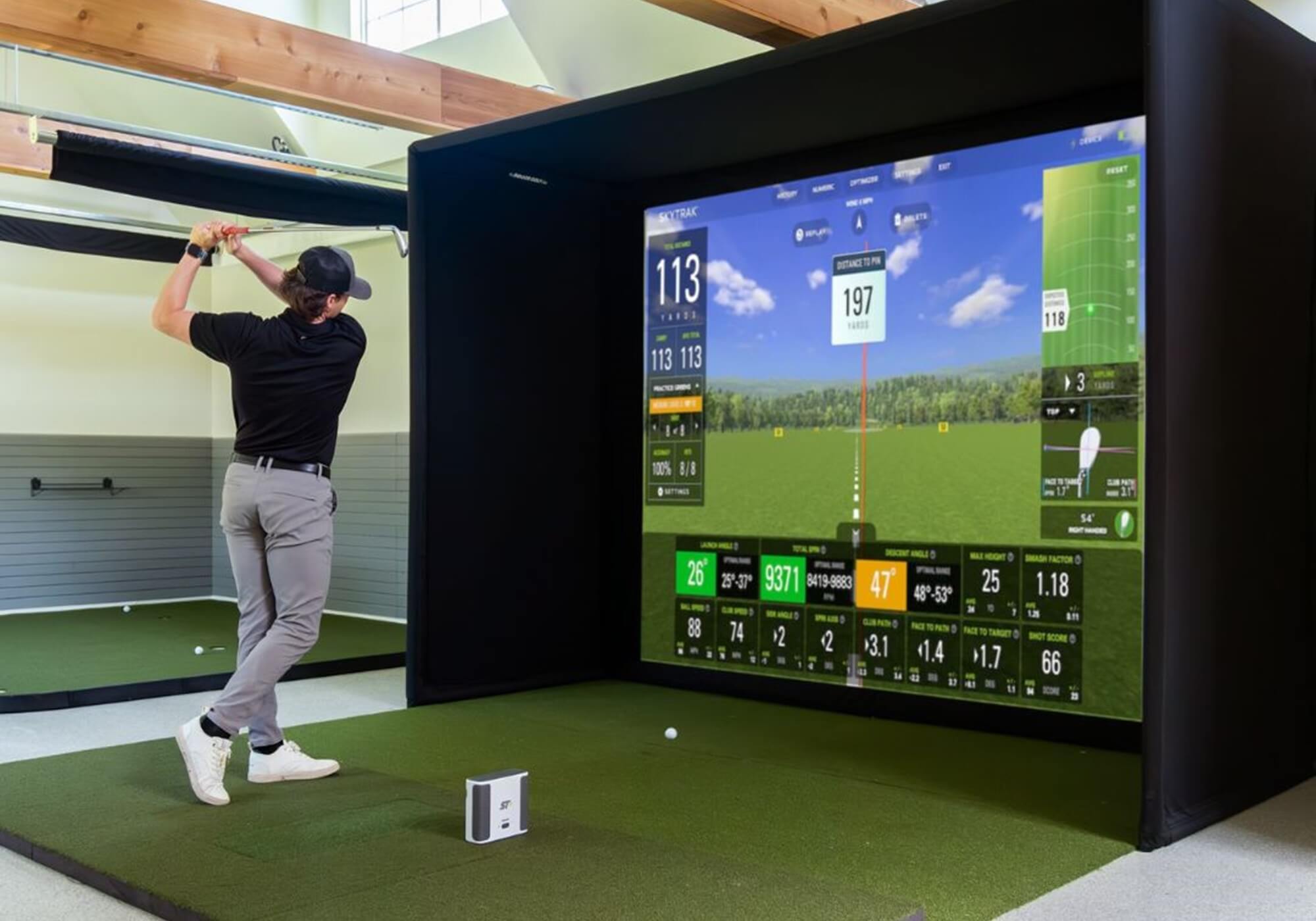
Indoor golf has witnessed a remarkable surge in popularity. With the advent of home simulators, metropolitan golf lounges, and year-round practice bays, golfers now have more opportunities than ever to work on their game. However, this booming trend presents a pressing issue: the majority of golfers utilizing indoor practice facilities are not genuinely enhancing their ball striking abilities. Instead, many find themselves merely hitting balls into a screen, hoping for better numbers to flash back at them.
Practicing indoors necessitates a fundamentally different approach compared to traditional range work. The feedback mechanism is distinct, and so is the training environment. Without a deliberate and focused strategy, golfers risk ingraining poor habits that will inevitably resurface once they step back onto the course. Let’s explore how to maximize your indoor practice sessions to ensure tangible improvements in your game.
Understanding the Impact of Indoor Practice on Your Swing
The Flat Surface Dilemma
Indoor golf facilities typically feature perfectly flat mats, providing no variations in terrain. This lack of diversity means your body adapts to a consistent setup, leading to struggles when faced with natural course conditions, such as uneven lies. Consequently, golfers may find their contact quality deteriorating on the course, unexplained by their indoor experiences.
The mat can also provide misleading feedback; hitting the ball slightly behind results in decent contact on a firm surface but may lead to disastrous shots on grass, where divots can range in size dramatically. Recognizing this discrepancy is vital for any player serious about improving their game.
The Disconnect of Visual Feedback
When practicing on an outdoor range, golfers can observe their ball flight in real-time. They witness the curvature, trajectory, and landing patterns of their shots. However, indoor simulators often replace these visual cues with numbers calculating launch angle, spin rate, and carry distance. While these metrics are essential, they don’t offer a complete picture of one’s swing mechanics, potentially hindering real improvement.
The Distance Challenge
Another common pitfall encountered in indoor practice is the temptation to obsess over distance metrics displayed on simulators. For instance, seeing a 7-iron fly 165 yards can lead to an unhealthy mindset of squeezing out an extra five yards. This pursuit of distance often leads to compromised swing techniques, with golfers swinging harder rather than smarter, ultimately resulting in subpar ball striking.
Key Metrics to Enhance Indoor Practice Outcomes
To truly improve ball striking while practicing indoors, focus on three essential metrics that provide valuable insights into your performance.
Smash Factor
The smash factor refers to the ratio of ball speed to club speed. A well-struck 7-iron typically delivers a smash factor around 1.33 to 1.38. If your numbers frequently drop below 1.30, it signals that you’re not consistently finding the club’s sweet spot. Understanding and monitoring your smash factor can prevent poor habits from taking root.
Consistency of Launch Angle
To gauge the quality of your contact, hit ten shots with the same club—check for differences in launch angles. If they range anywhere from 14 to 22 degrees, it indicates a lack of precision in striking the ball. A tighter launch angle variance demonstrates that you’re consistently hitting the sweet spot, leading to more predictable outcomes.
Spin Rate Variability
Both spin rate and launch angle can reveal much about your hitting quality. Ideally, your 7-iron strike should create a spin rate around 6,500 revolutions per minute (RPM). If your spin rate fluctuates from 5,000 to 8,000 RPM, it suggests striking issues warranting immediate attention. Achieving a consistent spin indicates you’re honing in on the center of the face.
Insights Provided by Indoor Practice
Indoor practice offers specific revelations about your swing that outdoor practice might overlook.
Identifying Thin Shot Patterns
If your shots consistently launch lower than expected and spin less, it signifies a tendency to make thin contact. Indoor simulators reveal this pattern clearly, as opposed to grass where thin shots may still travel relatively far, masking the real issue.
Recognizing Low Point Inconsistencies
Pay attention to your club’s contact with the mat. Is the impact consistent, or does it fluctuate? Indoor mats often show scuff marks that can reveal low point control insights. If marks scatter across a large area, it indicates a need for work on your technique.
Analyzing Face Contact Patterns
Many simulators provide precise data on where your club strikes the ball on the face—whether near the toe or heel. This feedback is invaluable: consistently missing the center in one direction helps pinpoint what to address for effective correction.
Effective Strategies to Enhance Indoor Ball Striking
To ensure your indoor practice translates into tangible improvements, adhere to a structured routine focusing on key areas of your swing.
Begin Each Session with Alignment
In indoor settings, the absence of natural targets can lead to misalignments that negatively affect your performance. Always establish alignment sticks before starting your practice. One stick should line up with your toes while another points directly towards your intended target.
Utilize Impact Tape or Foot Spray
Applying impact tape to your clubface or using foot spray can offer critical feedback about your contact point. After hitting several shots, check the tape for marks. This simple step will clarify whether you’re consistently striking the center, allowing for timely adjustments.
Practice with Controlled Tempo
Indoor environments often foster aggressive swings due to a perceived lack of consequences for poor shots. Resist this temptation and focus on maintaining a smooth, controlled swing with about 80% effort. Prioritize consistent, quality contact rather than high velocity.
Challenge Yourself with Club Variability
Try hitting different clubs to achieve the same target distance. For example, challenge yourself to land your 8-iron, 7-iron, and 6-iron all to a distance of 150 yards. Engaging in this drill promotes the need for quality contact, improving overall performance.
Record Your Swing Mechanics
Most indoor facilities have space for smartphone setups. Record your swing from a side angle, focusing on maintaining your spine angle and head position. Video provides a critique that can reveal flaws not easily discernible in real-time practice.

Transitioning Indoor Skills to On-Course Performance
Indoor practice is invaluable for developing skill, but the course provides the ultimate test of your improvements. After honing your skills indoors, it is crucial to take them outside to assess their effectiveness.
Whenever possible, transition your indoor gains to the course on a monthly basis, weather permitting. Observe whether your newfound smash factor translates well to real turf—is your center contact sustained even when handling less-than-ideal lies? Utilize your indoor training to reinforce your fundamentals, then challenge them outdoors.
The end goal isn’t perfect simulator numbers; it’s about enhancing your gameplay during real competitions. By ensuring your indoor endeavors translate to more greens hit and lower scores on the course, you’re truly maximizing the power of your practice.
Explore the world of indoor golf today and watch your game transform!
Shop Simulators at Indoor Golf Shop
