


Pebble Beach 2026: Why McIlroy’s Season Debut Matters More Than His Odds Suggest
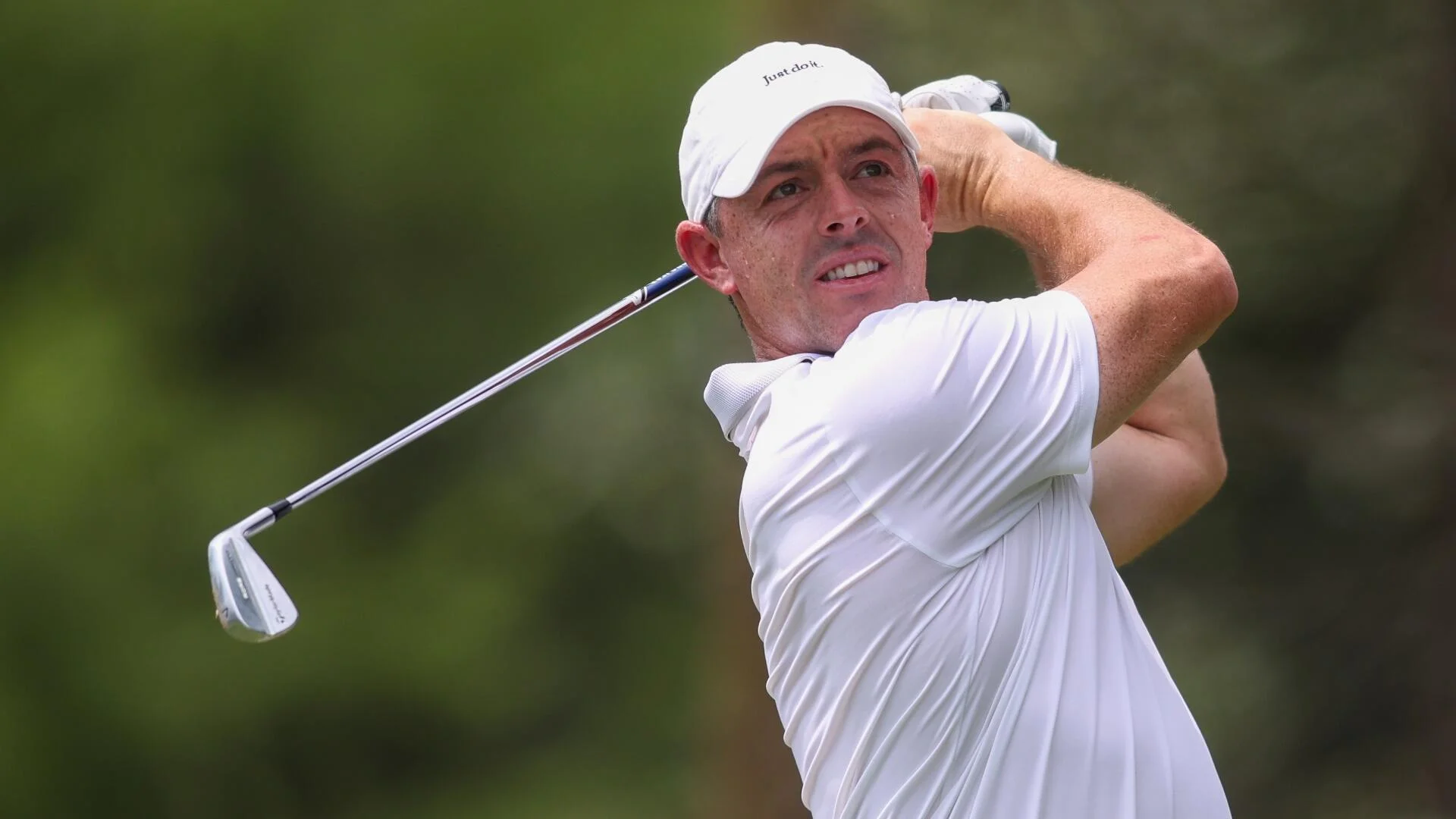
There’s something poetic about Rory McIlroy returning to Pebble Beach as the signature event opens the 2026 PGA Tour season. I’ve covered enough opening tournaments over 35 years to know that how a superstar begins their calendar year often sets the tone for everything that follows. And right now, watching the model project McIlroy to miss the outright win despite his impressive 2025 season tells me something interesting is happening on the PGA Tour landscape—the competition at the elite level has genuinely intensified.
Let me unpack what I’m seeing here, because the numbers tell a story beyond the surface narrative.
The McIlroy Paradox: Dominance and Uncertainty Coexisting
McIlroy finished 2025 with three wins, “tied for his most wins in a year since 2012.” That’s a stunning stat when you consider the depth of talent on tour these days. The man ranked third on the PGA Tour in total strokes gained, fourth in strokes gained off-the-tee, and ninth in putting average. His driving average ranks second on tour. By virtually every statistical measure, he’s playing elite golf.
Yet he carries +1300 odds to win Pebble Beach, which feels like the betting market is pricing in the quality of the field rather than McIlroy’s form. And here’s what strikes me about that: it’s actually healthy for professional golf.
In my three decades covering this tour, I’ve watched eras where one or two guys simply dominated. Occasionally, that creates compelling storylines. But it also can make tournaments feel somewhat predetermined. What we’re seeing now is different. Yes, McIlroy is playing at an elite level. But Scottie Scheffler, Xander Schauffele, and Tommy Fleetwood—all in this field—represent a tier of competition that genuinely prevents any single player from being a mortal lock at a major event. That’s good television and good golf.
The Turnaround Speed Problem
One detail from the source analysis really caught my eye, and it speaks to something I’ve observed from my days carrying the bag: “Chris Gotterup may have an inflated action after his victory last week, but that win could lead to a letdown in a short turnaround.”
This is veteran thinking right here. I caddied for Tom Lehman through his prime, and we learned quickly that back-to-back tournaments demand a different kind of mental preparation. Gotterup just won the Waste Management Phoenix Open—a grueling, high-pressure week with desert heat and 64-degree rounds on Sunday. A week later at coastal Pebble Beach? The body might be ready, but the mind sometimes isn’t. The model actually doesn’t project him to finish top-10 this week, which suggests the data supports what tournament-hardened observers have always known.
Why Matsuyama and Fitzpatrick Represent Real Value
The model identifies “Hideki Matsuyama to finish in the top 10 at +300 odds and Matt Fitzpatrick as a group winner at +305 odds” as smart bets. And I think there’s genuine wisdom in this analysis.
Matsuyama is a fascinating case study in consistency that often goes overlooked. He finished no worse than 13th in his three tournaments this year, ranks 10th in total strokes gained, and only lost the Phoenix Open in a playoff. That’s not someone running hot—that’s someone playing fundamentally solid golf week after week. In my experience, that consistency matters at Pebble Beach more than anywhere else. This course doesn’t reward gambles; it punishes them. You need control, precision, and an ability to accept pars. Matsuyama’s profile fits that mold perfectly.
Fitzpatrick’s case is even more compelling because it involves the underrated variable of course history. He’s made the cut in four of six attempts at Pebble Beach and finished T6 in 2022. That’s not flashy, but it’s predictive. Having walked these fairways enough to know where the trouble lives—and where to avoid it—matters immensely. His solid ninth-place finish last week, combined with his track record here, suggests the market might be undervaluing him relative to the recency bias working in Gotterup’s favor.
What This Season Means for the Tour’s Direction
As I look at this field and these matchups, what emerges is a tour in genuine competitive balance. That’s different from five years ago when the narrative was often about which superstar would emerge victorious. Now the conversation is about which elite player will navigate the specific demands of each week’s unique challenge.
Pebble Beach in January requires specific skills: course knowledge, emotional control, shot discipline. McIlroy has three of those in abundance. The fourth—course knowledge built through years of competition—is where guys like Fitzpatrick gain an edge.
I’ve covered 15 Masters tournaments, and I learned early on that the best predictive indicator isn’t always the guy playing best in the moment. It’s the guy who understands what the course demands and has the temperament to deliver it. That’s the principle at work here as the 2026 season opens.
McIlroy will likely finish in the top five. He’s too talented not to. But will he win? The model’s skepticism, and the quality of the field assembled, suggests this week belongs to someone who’s mastered the specific art of Pebble Beach Golf Links—not just the art of golf itself.
