


Hello, Daily Duffer readers! Sarah Chen here, and I’m thrilled to share some insights from the professional ranks that can directly impact your game. As a PGA-certified instructor with over 15 years of experience, I’ve seen firsthand how a little bit of focus on the right things can lead to significant improvements, whether you’re chasing birdies or just trying to break 90.
Today, we’re diving into the mental and emotional side of our equipment – specifically putters and other critical clubs. We’ve all got that one club that just feels “right,” don’t we? The one that consistently delivers when the pressure is on. This week, we got a fascinating glimpse into this very phenomenon from two Major champions.
The Unbreakable Bond: J.J. Spaun and His Winning Putter
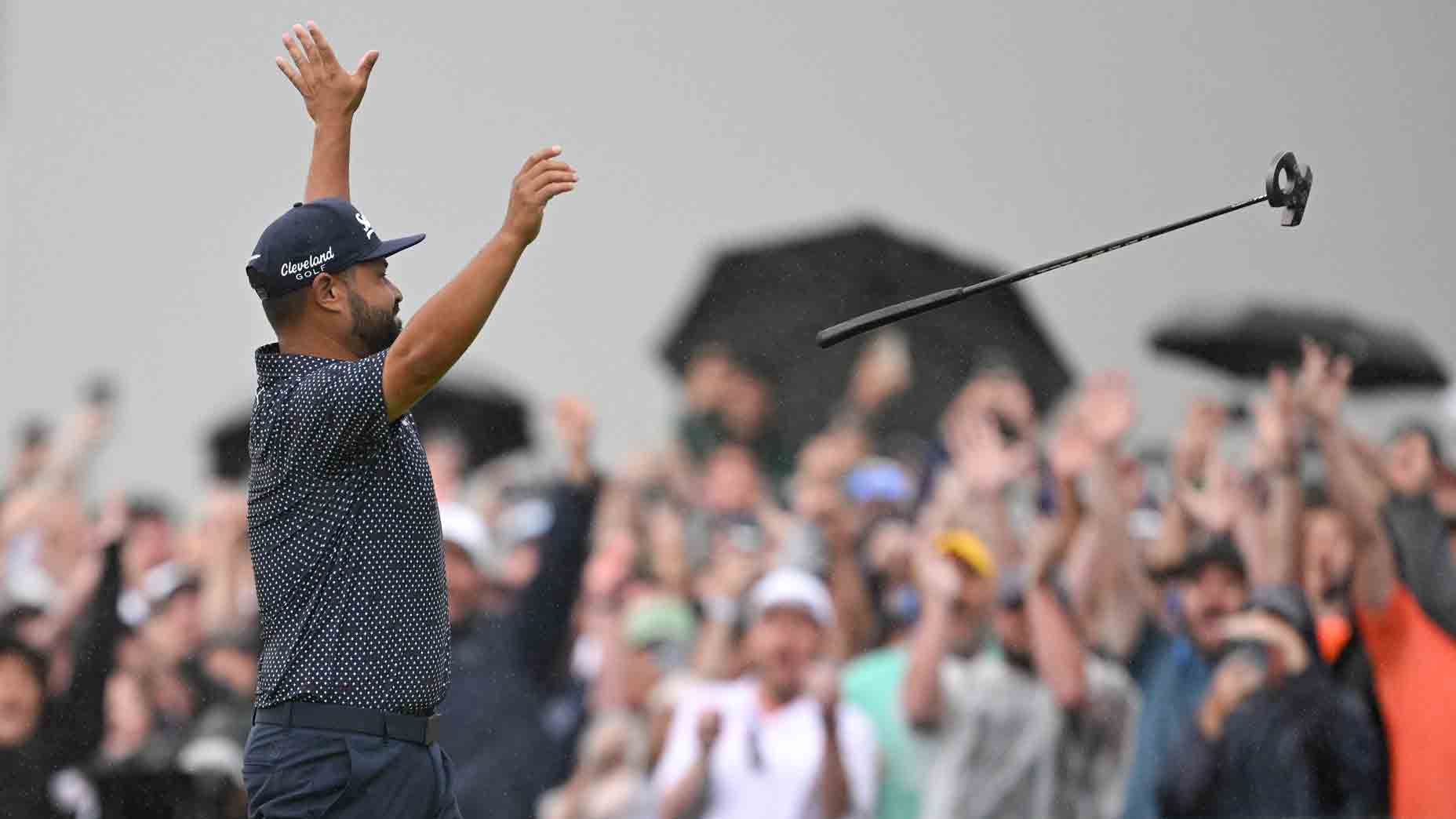
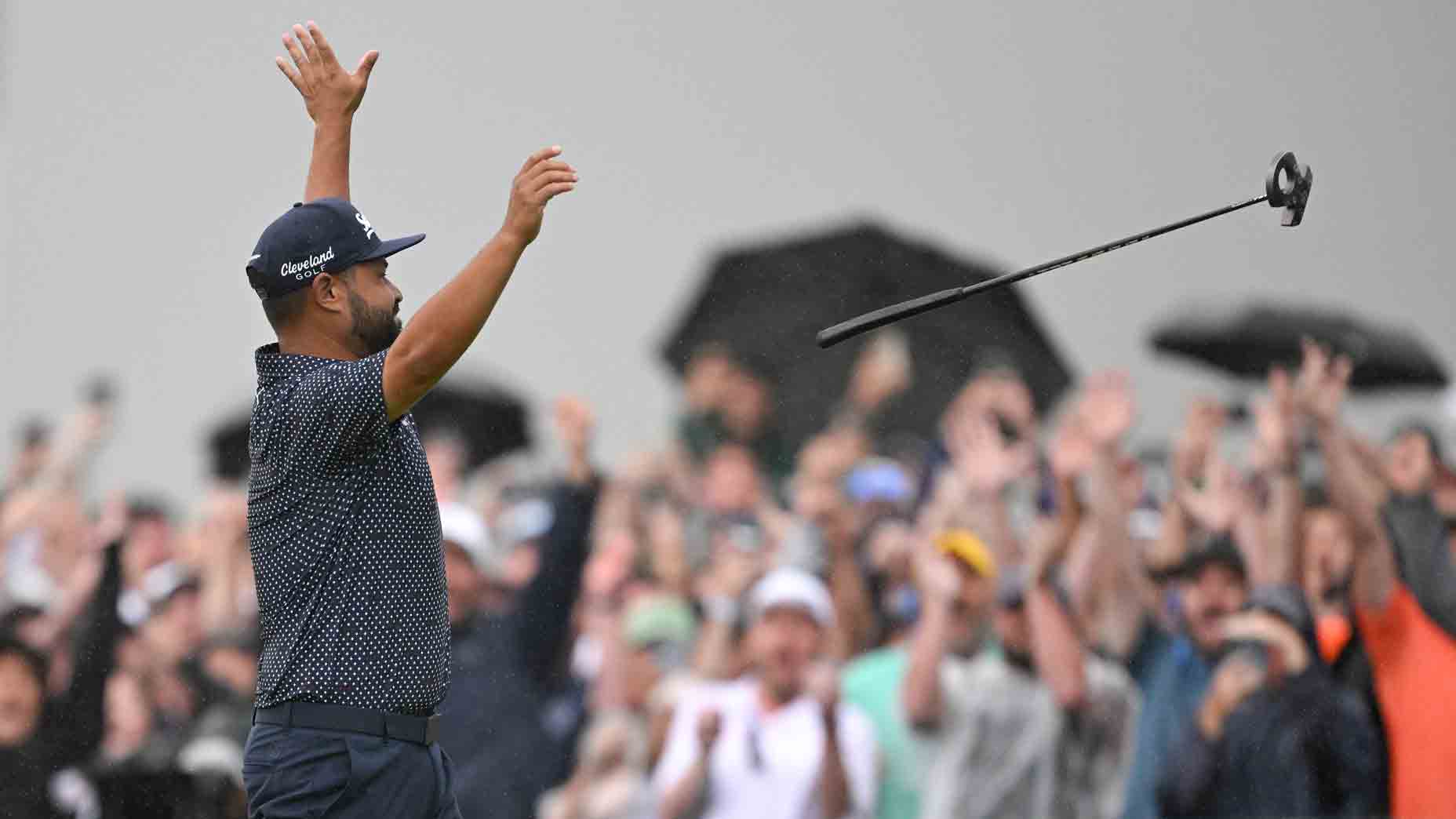
Imagine winning your first Major championship with a 64-foot putt on the final hole. That’s exactly what J.J. Spaun did at the 125th U.S. Open at Oakmont. Now, imagine someone asking you to “retire” that very club for an archive. Spaun’s response is a masterclass in understanding the emotional connection we forge with our tools:
“I said, ‘Unfortunately, I can’t,’ … ‘That thing is not ready to be retired, especially after that putt.'”
This isn’t just about a piece of metal; it’s about a feeling, a memory, and the confidence that club instills. Spaun knew that putter still had magic in it. This speaks volumes about the value of confidence in your equipment, which is something I emphasize with all my students.
Think about ‘that putt’ for a moment:
“Viktor [Hovland], we kind of got a good line, a good read on the speed … I was more focused on how hard he was hitting it. I kind of knew the line already, but it looked like he gave it a pretty good whack because it started raining there for the last 10, 15 minutes. I just tried to pick my line and put a good stroke on it. I knew it was going to be a little slow. About 8 feet out, I kind of went up to the high side to see if it had a chance of going in, and it was like going right in. I was just in shock, disbelief that it went in and it was over. Yeah, here we are.”
This detailed recollection isn’t just about the putter, but about the *process* and the trust he had in his read and his stroke. The putter became an extension of his will. This kind of confidence is what we all strive for.
Now, while you might not have a Major-winning putter, you certainly have clubs that you trust more than others. My job is to help you build that trust with every club in your bag.
Rory McIlroy’s Missing 7-Iron: Building Trust Beyond the Comfort Zone
Interestingly, Rory McIlroy, after winning the 2025 Masters, found himself in a slightly different situation. His memorable 7-iron from the par-5 15th, which set up an easy birdie, was “donated” by his business manager without him knowing!
“I didn’t realize this, but I flew back the day after on the Monday and I basically didn’t see my golf clubs since like post the playoff, and I saw that my 7-iron was missing … I was like, that’s a pretty important club. Sean [O’Flaherty, my business manager] had already given it to the club, he just didn’t tell me. That’s fine, I’ll get a new 7-iron. If there was one I was going to give the club, it was probably going to be that one.”
What a pragmatic perspective! While a valuable club, McIlroy knew he could get another. This highlights an important lesson: while confidence in a specific club is crucial, understanding the *feel* and *mechanics* of a great shot allows you to replicate it with similar equipment. It’s about being adaptable and not solely reliant on one “lucky charm.”
Applying Pro Insights to Your Own Game: Drills for Building Club Confidence
So, how can you cultivate this level of confidence and trust in your clubs, whether it’s your putter, your driver, or your crucial scoring irons?
1. The Putter: Understanding Speed and Line
Spaun’s comment about focusing on Viktor Hovland’s speed before his winning putt is telling. Many amateurs get obsessed with line and forget that speed dictates break. When you master speed, line becomes far more manageable.
- **Why it works:** Controlling speed gives you a much larger “make window.” A perfect line with bad speed will miss. Good speed with a slightly off-line putt often still finds the hole or finishes close.
Try this: The “Putt-to-Putt” Drill
- Find a relatively flat section of the practice green.
- Place two tees about 20-30 feet apart.
- Your goal is to putt the ball from the first tee such that it stops *exactly* at the second tee. Don’t worry about a hole; focus purely on distance control.
- Repeat this 10 times. Then, turn around and putt back.
- Once you can consistently stop the ball within a foot of the target tee, start varying your distance (10 feet, 40 feet) and try to replicate the feel. This drill builds your internal “speedometer.”
2. The Driver: Consistent Strikes for Reliable Performance
Spaun donated his driver because it was “getting close to its limit” and “ended up being kind of unusable anyway.” This reinforces that even the best clubs have a lifespan, and consistent good strikes are what make a driver truly powerful.
- **Why it works:** When you consistently hit the sweet spot, you maximize ball speed, reduce spin, and hit it straighter and longer. This builds confidence that your club will perform as expected.
Here’s a drill: The “Tee-Gate” Drill
- Set up on the driving range with your driver.
- Place two tees on the ground, just wide enough for your driver clubhead to pass through comfortably, about an inch in front of your ball. Think of it as a small “gate” for your clubhead.
- The goal is to swing through the gate on your downswing without hitting either tee.
- Start with a wider gate and gradually narrow it as your consistency improves.
This drill immediately gives you feedback on your swing path and where you’re delivering the clubface relative to the ball, encouraging more centered strikes.
3. The Iron: Building Trust in Your Scoring Clubs
Rory’s 7-iron shot on the 15th at Augusta underscores the importance of a well-struck approach shot. Even if a specific club is gone, the *ability* to pure an iron shot remains.
- **Why it works:** Consistent iron contact gives you predictable distances and better control over ball flight, leading to more greens in regulation and closer putts.
Try this: The “Target Area” Iron Drill
- Pick a target at the range (e.g., a flag, a specific yardage marker).
- Instead of trying to hit the flag directly every time, focus on hitting into a 15-20 yard “box” around that target.
- Hit 10-15 balls with your chosen iron (say, a 7-iron). After each shot, assess where it landed relative to your target box. Did it go too far, too short, left, or right?
- The goal isn’t necessarily pin-seeking perfection initially, but building confidence that you can consistently land your shots *within* a predictable area. This broadens your acceptable misses and builds trust in the club’s typical performance.
In my teaching experience, the mental game and the emotional connection to our tools are just as powerful as swing mechanics. When you trust your club, you free your swing, and that’s when the magic happens on the course. Keep practicing, stay encouraging to yourself, and remember, every shot is an opportunity to build that irreplaceable confidence!
