

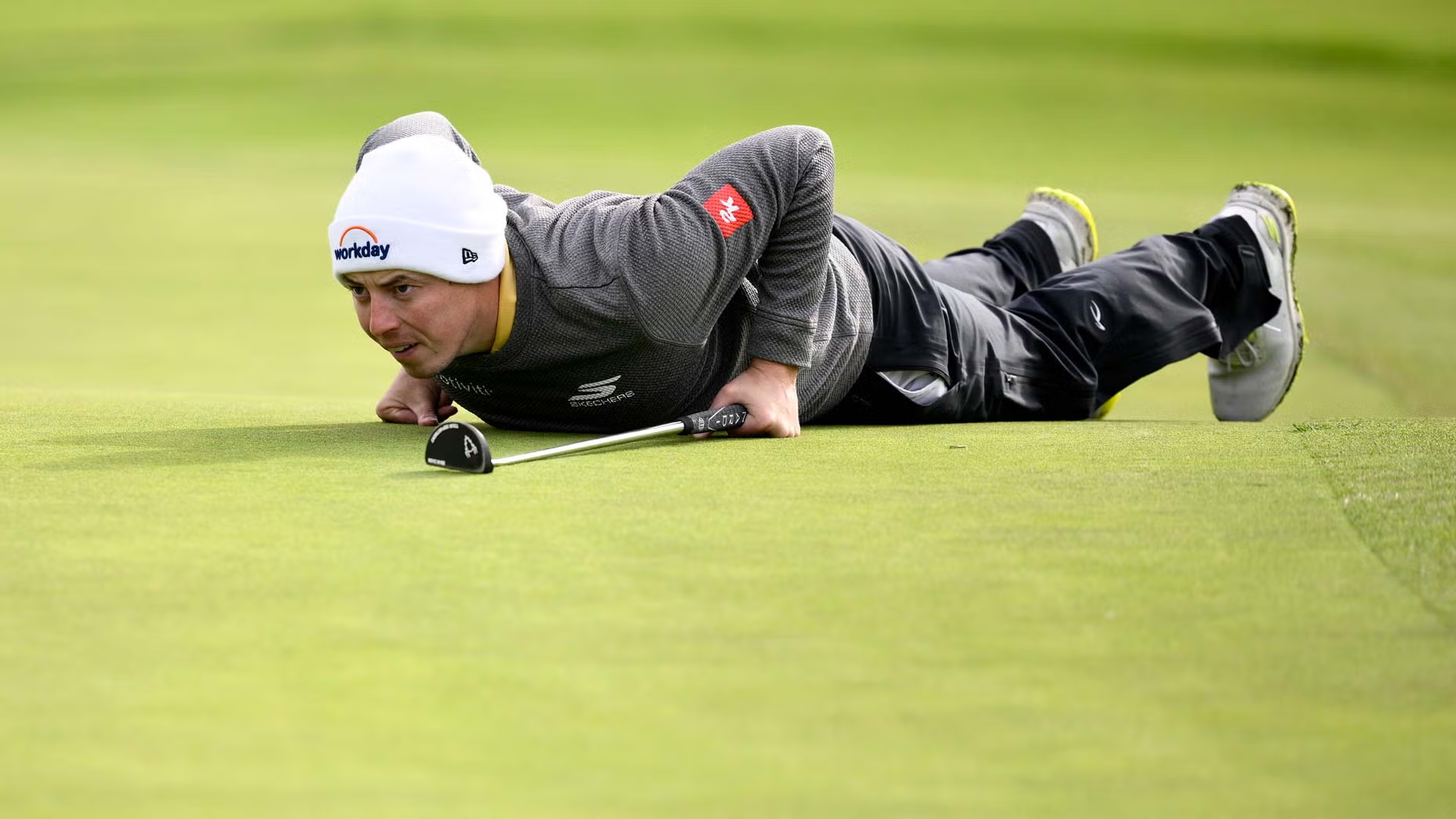

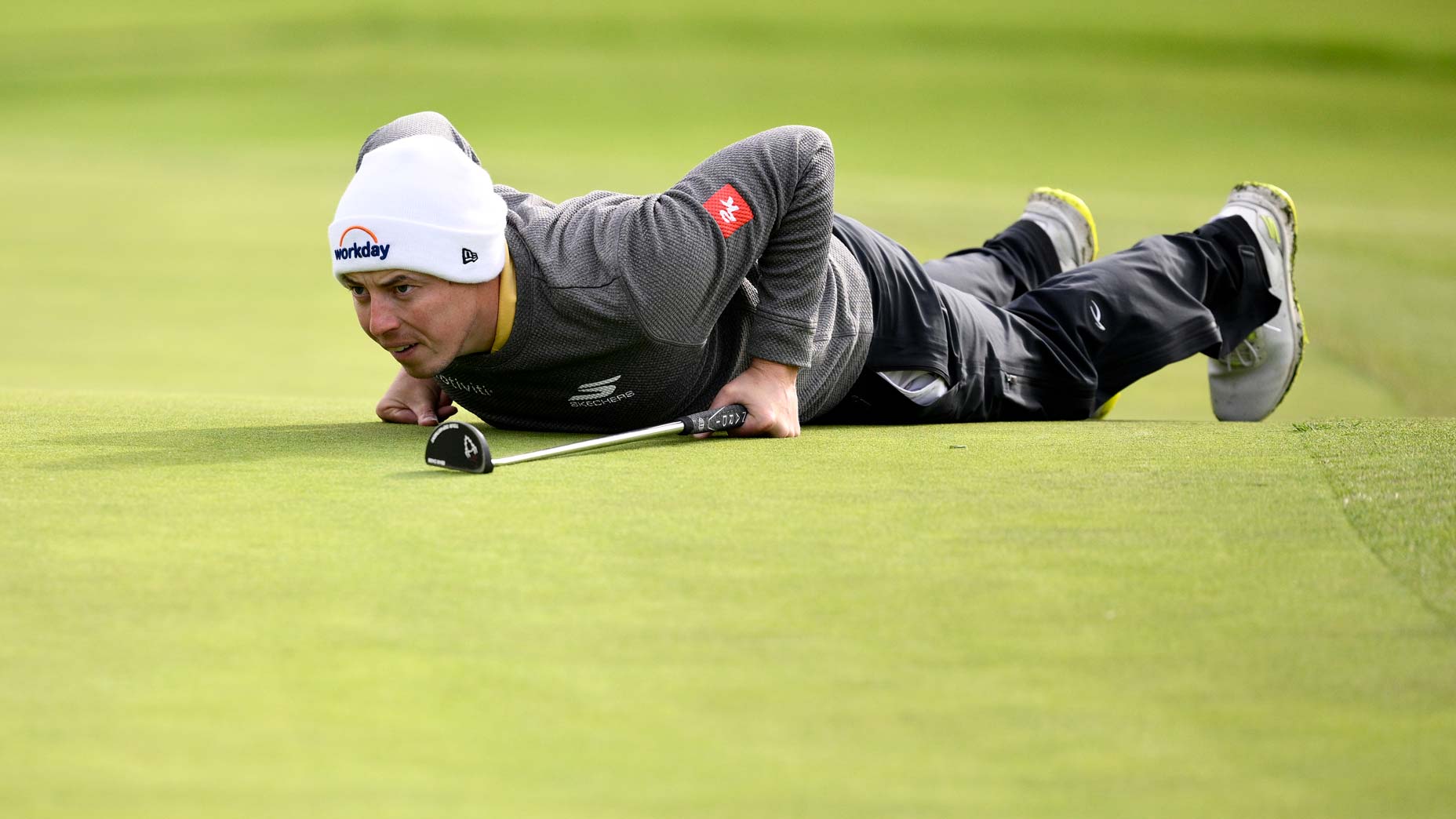
There’s a certain magic to Riviera, isn’t there? The iconic clubhouse, the storied history, the whispers of legends who’ve walked those fairways. As a lifestyle editor who believes golf is more than just a game – it’s a way of life – I’m always looking for the deeper story, the human element that connects us all. And this past week at Riviera, it wasn’t just about the dazzling drives or the perfectly placed irons; it was about the struggle, the grit, and the fascinating psychology behind the dreaded short putt. Yes, even for the pros.
I’ve always said that golf mirrors life. We set high expectations, we face unexpected challenges, and sometimes, the simplest things become the most complex. Watching the world’s best golfers grapple with seemingly ‘easy’ putts at Riviera beautifully illustrated this. It wasn’t a lack of skill, but a confluence of factors, revealing a valuable lesson for all of us, from the weekend warrior to the aspiring amateur.
The Riviera Riddle: Why Short Putts Became a Grand Challenge
We saw Xander Schauffele miss a putt from just two feet, seven inches. Rory McIlroy struggled with a four-footer. Tournament leader Jacob Bridgeman found himself missing from six feet. These aren’t flukes; the data supports it. Over the last five years, pros consistently three-putt more often and make fewer putts from every distance at Riviera. The Tour average for four to eight feet is 69.2 percent; at Riviera, it dips to 65.6 percent. Think about that – even the best in the world find this course uniquely demanding on the greens!
What makes Riviera’s greens so notoriously tricky? It’s a captivating blend of nature and nurture, much like the factors that shape our own daily experiences. First off, they’re pure poa annua greens. Now, for the uninitiated, poa annua tends to get bumpier as the day progresses. Imagine you’re walking into a meeting feeling confident, but by afternoon, the terrain underfoot has subtly shifted, making your every step a little less certain. That “waffle-iron effect” is precisely what happens on these greens.
Then there’s the speed. Riviera’s greens are running *fast*. This means taking break out of the equation is incredibly difficult, leading to a more defensive putting style. It’s like being asked to walk a tightrope at double speed – every movement has to be precise, or you risk falling. And this week’s rain only magnified these imperfections, making spike marks more pronounced and surfaces less predictable.
In essence, these are incredibly soft, lightning-fast poa annua greens with an abundance of subtle, two-way breaks. It’s a true test of nerve and touch.
Lessons from the Links: What We Can Learn From the Pros
What struck me most was the honesty and insight from the players themselves. It wasn’t just about the physical challenge; it was about the mental game, the acceptance, and the willingness to adapt. These are life skills as much as golf skills.
“Pebble was almost good prep for here being even sort of wetter and spongier [faster], this is a lot scarier. But in terms of like committing to putts that look dodgy, it was good preparation.”
Xander Schauffele’s quote resonated deeply. He spoke of “committing to putts that look dodgy.” How often in life do we face situations that appear uncertain or “dodgy”? Whether it’s a career pivot, a personal decision, or a difficult conversation, committing to our chosen path, even when it feels a little risky, is key. It’s about trust – trusting your read, trusting your stroke, and trusting yourself.
Scottie Scheffler highlighted the evolving nature of the challenge throughout the day:
“The greens here have so much pitch, and as the day goes on, the greens continue to hold speed and they stay fast and they continue to get bumpier and bumpier just with the nature of poa annua … the greens are getting softer and they’re fast, which I think is a really good challenge. It’s kind of underrated how hard that is.”
This speaks volumes about adaptability. Life, much like a round of golf, rarely stays stagnant. Conditions change, challenges evolve, and our ability to adjust our approach is paramount. For us everyday golfers, this means recognizing that the 8 AM tee time green might behave differently than the 2 PM green. It encourages us to be present, to observe, and to be flexible in our strategy, rather than clinging to a pre-conceived plan.
Rory McIlroy’s candid reflections on indecision were particularly insightful:
“They’re hard because you don’t want to hit [putts] too hard obviously, and then the softer you hit them, the more break they’re going to take early. There’s a lot of double breakers here, so my putt on 16 today was a great example. I had to hit it really soft. It was left to right early but the last half of the putt was right to left, but it went so far right early because I hit it so soft, it never had a chance to come back. It’s, yeah, it’s tough.”
This “catch-22” of putting speed and break is a human dilemma writ large on the green. How often do we hesitate, trying to strike the perfect balance, only to find our indecision leads to a less-than-ideal outcome? Rory’s experience reminds us that sometimes, overthinking can be our biggest obstacle. Trusting our initial read and committing to a speed, even if it feels like a gamble, is often more effective than wavering.
Your Playbook for Navigating Life’s ‘Bumpy Greens’
So, how can we apply these insights to our own golf game and, more broadly, to our lives?
1. **Embrace Imperfection:** Jacob Bridgeman, despite leading the tournament, acknowledged his past struggles with poa annua until he “accepted now that some of them are going to bump out.” This acceptance is powerful. Not every putt will drop, not every plan will go perfectly. Learning to let go of frustration over things outside our control is a huge step for mental wellness, on and off the course.
2. **Stay Adaptable:** Just as the greens evolve throughout the day, so do our circumstances. Be an observer. Notice the subtle shifts, both environmental and internal. Are you feeling rushed? Is the wind picking up? Adjust your pace, your approach, and your expectations accordingly.
3. **Cultivate Commitment:** Whether it’s a putt or a personal goal, commit to your decision. Do your best to gather information, make an educated choice, and then execute with conviction. Lingering doubt can often hinder success more than an imperfect plan.
4. **Sharpen Your Focus:** Pros talk about the challenge of staying present. In a world of constant distractions, honing our ability to concentrate on the task at hand – be it a putt, a work project, or mindful moment – can significantly improve our performance and well-being.
5. **Practice Patience (and Self-Compassion):** These greens don’t care how good you are on paper. They demand patience and a forgiving attitude towards yourself when things don’t go as planned. Give yourself grace, learn from the experience, and move on to the next shot with a refreshed perspective.
Riviera showed us that even the very best face formidable challenges, especially on those notoriously fast, bumpy poa annua greens. But what truly makes them champions isn’t just their swing, but their mindset, their adaptability, and their unwavering spirit. That, my friends, is a lifestyle lesson worth taking to heart.
