

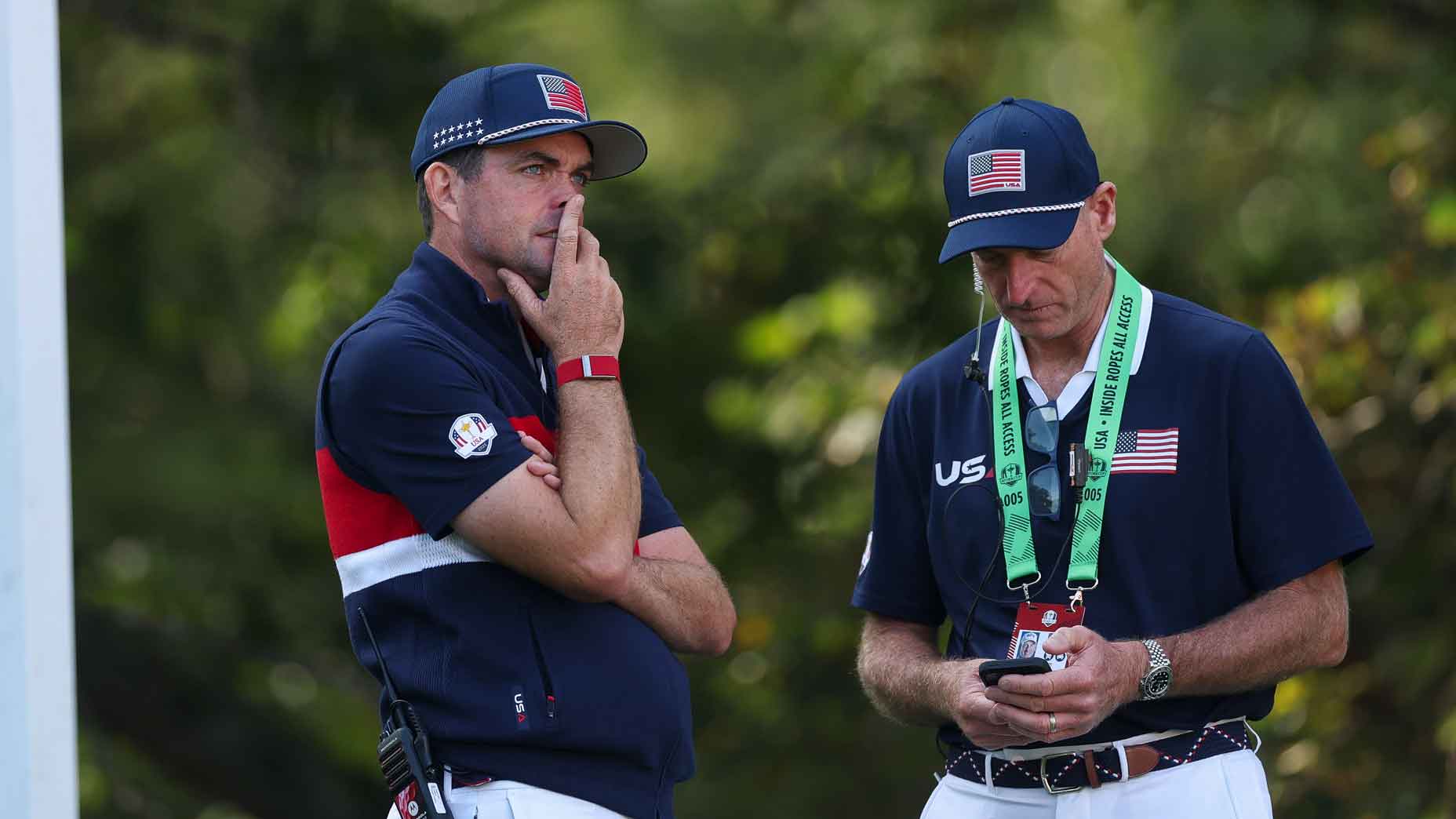

As Lifestyle Editor for The Daily Duffer, I’m always looking for those stories that transcend the leaderboard, those moments that show us the true heart beating within the game we all love. Because let’s be honest, golf isn’t just a sport; it’s a way of life, a constant pursuit of improvement, and a journey filled with unexpected turns.
That’s why the recent news about Jim Furyk stepping into the lead analyst chair for Golf Channel caught my eye. We often talk about the mental game on the course, but what about the mental fortitude required to pivot careers, to embrace new challenges, and to step into unfamiliar territory when you’ve already achieved so much? That, my friends, is a lifestyle lesson we can all take to heart.
We’ve all seen the legends of the game seamlessly transition from competitive play to the broadcast booth. It almost feels like a natural progression. But as the source article highlights, there’s a surprisingly narrow path to that coveted “lead analyst” spot:
“In the history of golf television, there have been only a handful of so-called “Lead Analysts” — the talking heads atop each network’s broadcast — and all but one of them have been major championship winners.”
That’s a pretty exclusive club, isn’t it? And now we have Jim Furyk, a U.S. Open winner and former Ryder Cup captain, taking his turn. What strikes me about this isn’t just his impressive resume – 17 PGA Tour victories, rookie of the year on the Champions Tour – but his approach to this new endeavor. It’s a masterclass in embracing lifelong learning and staying agile, regardless of your past successes.
The Art of the Pivot: More Than Just a Golf Swing
Think about it: Jim Furyk has spent decades honing a very specific craft – hitting a golf ball under immense pressure. Now, he’s shifting gears, learning a new art. He’s traded the golf club for the microphone, the adrenaline of the final putt for the precision of live commentary. This isn’t just about a job change; it’s about a lifestyle change, a testament to the idea that growth never stops.
I’ve often counselled golfers, from weekend warriors to aspiring pros, on the importance of adaptability. Whether it’s adjusting your swing to combat a new ailment, switching up your fitness routine to prevent plateaus, or even simply trying a new course layout, embracing change is crucial for continued enjoyment and improvement. Furyk’s move exemplifies this on a grand scale.
His own words reveal this humble, yet determined, mindset:
“It’s probably on a trial basis, see how much I like it, get a feel for it. With any new endeavor, it’s a learning process. There’s a feel and flow for how the show is done. I’m focused on doing the best job for two weeks.”
This “trial basis” approach is brilliant! It removes the pressure of permanence and allows for genuine exploration. How many times do we, as everyday golfers, shy away from trying something new because we’re afraid of not being instantly good at it? Furyk, a seasoned pro, is openly acknowledging that this is a learning curve, and that’s incredibly relatable and inspiring.
Actionable Takeaways for Your Own Golfing Lifestyle
So, what can we, the everyday golfers and lovers of the game, take from Jim Furyk’s leap into the broadcast booth?
Embrace New Challenges: Is there a part of your golf game you’ve avoided? Maybe tackling that dreaded sand trap, or finally committing to a consistent short game practice? Or perhaps it’s something entirely outside of golf – learning a new language, picking up an instrument. Take a page from Furyk’s book and approach it with curiosity, not just expectation.
Lifelong Learning is Key: Furyk has decades of professional experience, yet he views this new role as a “learning process.” For us, this might mean finally investing in those golf lessons you’ve considered, reading up on the latest golf fitness trends, or exploring the mental side of the game through books and podcasts. The game (and life!) is constantly evolving, and so should we.
Leverage Your Existing Strengths: While his TV experience might be limited, Furyk’s deep well of on-course knowledge is invaluable. As the article notes:
“The 17-time PGA Tour winner may not have a preponderance of TV experience, but he does have a deep well of professional experience to lean on. He has competed as a pro for more than three decades…”
Think about your own life: What are your unique experiences or skills that you can bring to your golf game, or even to a new hobby? Perhaps your career in analytics can help you track your golf stats more effectively, or your background in teaching makes you a natural mentor for new golfers.
Don’t Be Afraid of the “Tryout”: Furyk isn’t committing to this for life (yet!). He’s testing the waters. This is a wonderfully healthy way to approach new things. Sign up for a short clinic, borrow a friend’s new training aid, or play a new course without the pressure of a perfect score. Give yourself permission to explore without the burden of long-term commitment.
Ultimately, Jim Furyk’s journey reminds us that the qualities that make a great golfer – discipline, adaptability, a willingness to learn, and an unwavering focus on doing your best – are the very same qualities that lead to a fulfilling and dynamic life, on and off the course. So, as you head out for your next round, or contemplate your next personal challenge, remember the lessons from this golfing legend. Your own “trial basis” might just lead you to your next great adventure.
