

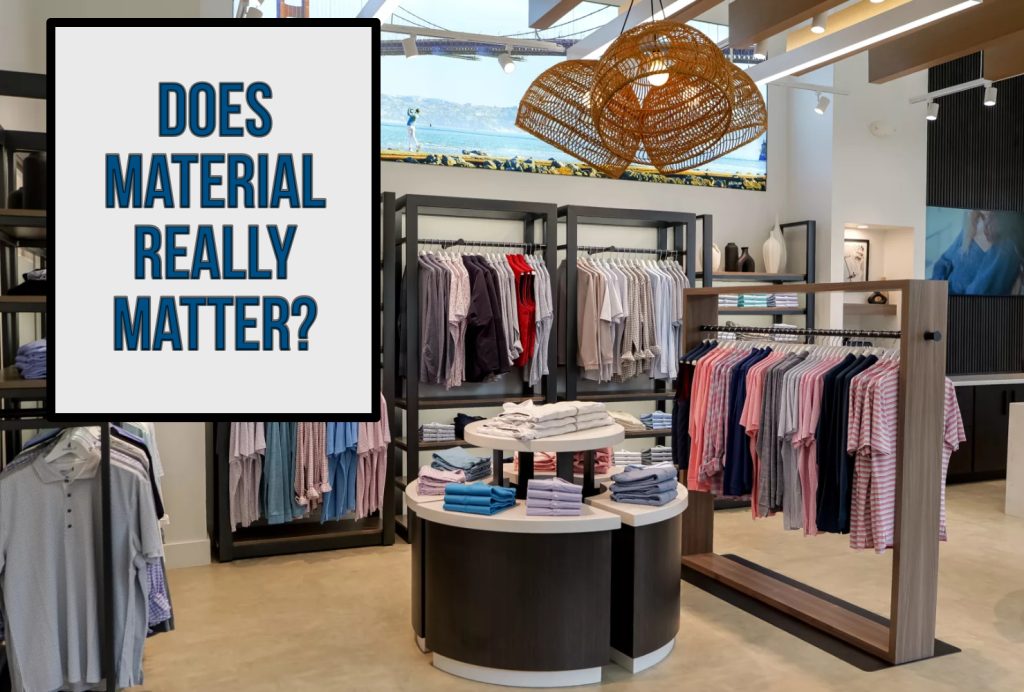

Alright, golfers, Tyler Reed here, Equipment Editor for The Daily Duffer. I just had a look at the latest from “Off Course,” Episode 288, featuring the team from Johnnie-O. Now, usually, my wheelhouse is the nitty-gritty of club design – the metallurgy behind a hot face, the subtle shifts in CG that coax an extra yard, or why one shaft performs dramatically different than another on the launch monitor. But this episode diverged into golf apparel, and while it might seem off-topic for an equipment guy, it actually touches on something crucial: performance.
Before you roll your eyes and think, “Tyler, what does a polo have to do with my ball speed?”, hear me out. Over years of fitting hundreds of golfers, I’ve seen everything: people showing up in jeans, in restrictive shirts, or in gear that actively hinders their swing. While a shirt won’t give you 5 extra MPH clubhead speed like a properly fit driver, what it *can* do is ensure you’re not leaving any speed on the table due to discomfort or restriction. That’s where the conversation around material and design, as highlighted in the podcast, becomes relevant.
The hosts delved into Johnnie-O’s approach, discussing their materials and design philosophy.
“It wouldn’t be Off Course without some tangents, but Dan and the Johnnie-O team dive into many topics including Johnnie-O on tour and how material and design play a role in creation.”
This isn’t just about looking good; it’s about comfort, range of motion, and maintaining peak performance throughout an 18-hole round, or even for an intense range session.

The Real Impact of Apparel on Performance
When I’m putting a golfer through a driver fitting, I’m looking at their kinematic sequence, how effectively they transfer energy from the ground up, and how they release the club. If a shirt is bunching up around their shoulders, restricting their turn, or if the fabric is sticking to their skin, causing chafing or discomfort, it’s going to impact their swing. It’s not going to show up as a clear drop in ball speed on the launch monitor like an ill-suited shaft, but it manifests as subtle compensations, reduced flexibility, or simply a lack of confidence to really go after the ball.
I’ve seen golfers lose valuable speed and consistency just by being uncomfortable. Perhaps their shoulder turn is restricted by 5 degrees, leading to a shallower attack angle and less effective energy transfer. While I don’t have launch monitor data comparing a Johnnie-O shirt to a heavy cotton tee, the principle remains: comfort and freedom of movement are foundational to an athletic golf swing. Any apparel that promotes these qualities is, in my book, a positive.
Beyond the Hype: What Actually Matters
The podcast touched on “material, design and some fresh collections.” From an equipment editor’s perspective, “material” is key. We’re looking for fabrics that offer stretch, moisture-wicking properties, and breathability. These aren’t buzzwords; they’re functional benefits. A player who stays drier and cooler is less likely to feel fatigued. A fabric with a four-way stretch allows for unrestricted movement through the backswing and downswing – crucial for maintaining clubhead speed and proper sequencing. “Design” also plays a role in fit. A too-tight shirt restricts, a too-loose one can catch wind or feel sloppy.
As they discussed “Johnnie-O on Tour,” it’s important to remember that tour pros are chasing every fraction of a percentage point in performance. If their clothing interferes with their finely tuned swings, they wouldn’t wear it. This isn’t proof of miraculous performance gains, but rather an indication that the apparel meets the high demands of elite athletes for comfort and non-interference.
“You can listen to the show right here, Apple Podcasts or anywhere you do your listening and downloading from, including Spotify and more.”
For those interested in the full dialogue on the evolution of golf apparel and the thought process behind brands like Johnnie-O, checking out the full episode is worthwhile. It provides insight into aspects of golf "equipment" that are often overlooked.
Practical Buying Advice: Is it Worth Your Money?
So, does this mean you need to drop a fortune on golf apparel? Not necessarily. But it does mean being mindful of what you’re wearing. When considering golf attire, prioritize:
- Stretch: Can you make a full, unrestricted swing? Test it in the store.
- Moisture-wicking: Does the fabric pull sweat away from your skin? Many synthetic blends excel here.
- Breathability: Will it keep you cool in the heat? Look for lighter weaves or engineered ventilation.
Brands like Johnnie-O, by focusing on these design principles for tour players, are likely delivering product that meets these criteria for the everyday golfer too. While I can’t put a Johnnie-O shirt on a launch monitor and give you hard numbers like I can with a driver’s MOI or launch angle, I can say with confidence, based on years of observing golfers on the range and in my fitting bay, that comfortable, unrestrictive clothing contributes positively to your ability to swing the club effectively. It won’t buy you 10 extra yards, but it will help ensure you’re not *losing* yards due to preventable discomfort.
Ultimately, golf is an athletic endeavor. Just as you wouldn’t run a marathon in jeans, you shouldn’t play golf in gear that restricts your movement or makes you uncomfortable. Investing in golf-specific apparel that prioritizes performance materials and an athletic fit is a smart decision for any golfer, from the weekend warrior to the aspiring scratch player. It’s not the primary gear, but it’s crucial support gear that impacts your primary gear’s performance.
