

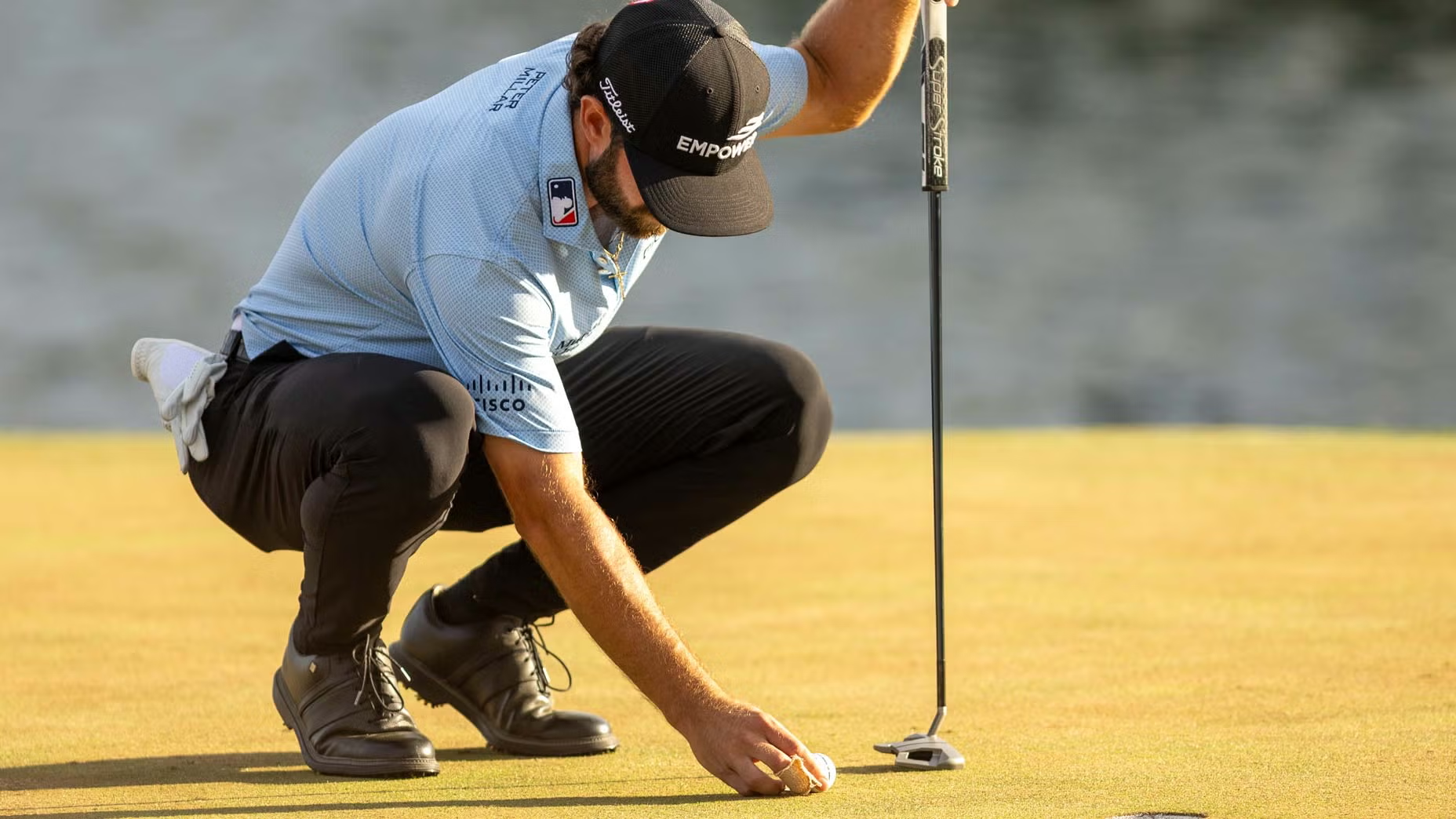

Hello, golf-loving friends! Alexis Morgan here, your Lifestyle Editor from The Daily Duffer, fresh from witnessing an absolutely captivating display at TPC Sawgrass. While the headlines screamed about Cameron Young’s win at The Players, my mind kept drifting to something far more universal than birdies and bogeys: the raw, undeniable humanity of high-stakes moments. What Young showed us wasn’t just exceptional golf; it was a masterclass in mental strength, emotional honesty, and a refreshing perspective on what truly matters.
We often look at professional golfers as these almost mythical figures, immune to the pressures that would buckle the average weekend warrior. But Young’s post-Players press conference? It peeled back that veneer, revealing a man who, despite his incredible talent, navigates the same internal battles many of us face, whether it’s holing a crucial 3-footer in our club championship or giving a big presentation at work.
What struck me first was his candidness about the sheer difficulty of playing under pressure. We’ve all stood over a defining shot, feeling that knot in our stomach, the tremor in our hands. Young, standing on the 17th tee at TPC Sawgrass, a hole notorious for making grown men weep, admitted it was “really hard.” But then he offered a detail that speaks volumes about preparation and confidence:
“You know, it is really hard. That wind was really difficult, downwind. I just so happened to have the best number you could have possibly asked for. I felt like if I hit just a full hard sand wedge it would carry that bunker by a yard or two, and trying to hit a softer gap wedge would have been a lot more difficult.”
This isn’t just about golf; it’s about preparation meeting opportunity. It’s a reminder that while circumstances might sometimes align perfectly (that “best number” he mentioned), his ability to execute stemmed from countless hours of refining his craft. What can we, as everyday golfers, take from this? The more we practice challenging shots or situations on the range, the more confident we’ll be when they arise on the course. It’s about building our own “best number” through diligence.
The Power of the Pep Talk
Then came the 18th hole, tied for the lead. The pressure cooker was on maximum. Young’s approach to this moment resonated deeply. He didn’t just hope for the best; he actively took control of his mindset. This is a practice I encourage in every aspect of life – from fitness goals to personal aspirations:
“My thought process over that ball is, one, making sure that I’m committed to my line, and two, the overarching thought is I’m going to hit the best shot of my life right here,” Young said. “I don’t know if I can think of one that’s better.”
Imagine adopting this philosophy. Before a challenging tee shot, during a tough workout, or even when facing a big decision, telling yourself, “I’m going to do my absolute best right here.” It’s not about arrogance; it’s about channeling focus and self-belief. And guess what? He hit the longest drive in the recorded history of TPC Sawgrass’ 18th hole (375 yards!). Coincidence? I think not. The mind, folks, is an incredibly powerful tool.
Embracing Vulnerability: The “Terror” Putt
But the most relatable moment of all? When his competitor missed, leaving Young a one-foot putt for the victory. The “insignificant” putt that is anything but. His admission of “sheer terror” struck a chord with me, and I’m sure, with many of you. We’ve all seen pros miss short putts; the expectation of making it creates an almost paralyzing pressure. Young candidly shared:
“I was really, really good until I had to make the eight-inch putt on the last hole, and I just about fell apart,” Young said. “I couldn’t get my line to point anywhere near the hole, and I went and hit it anyway, which maybe I shouldn’t have. But it went in, so all is well.”
This is where the human element shines brightest. It’s okay to feel fear, to feel completely overwhelmed, even when you’re on the precipice of achieving something monumental. The lesson here isn’t to be fearless, but to acknowledge that fear and still push through. Young didn’t perfectly execute his pre-shot routine out of pure calm; he hit it “anyway,” powered by a lifetime of practice and perhaps that lingering “best shot of my life” mentality. This resilience is what separates champions, and it’s a quality we can all cultivate in our own lives.
Beyond the Trophy: The True Wins
Finally, there was the moment he addressed the perennial question athletes face: “Why don’t you look happier?” His answer was golden, a beautiful reminder of what truly defines a rich life, regardless of career triumphs. He spoke of his wife, his children, his health, and a deep appreciation for his life. Success, accolades, financial security – they are wonderful, but they are amplified when grounded in joy and gratitude for the foundational elements of life.

Cameron Young isn’t just a Players Champion; he’s a relatable individual who navigated immense pressure with honesty and grace. His story reminds us that preparation, a powerful mindset, the courage to acknowledge our fears, and a deep well of gratitude are not just keys to winning golf tournaments, but to living a more fulfilling life – on and off the course.
So, the next time you’re standing over a tricky chip, facing a crucial moment at work, or simply reflecting on your day, remember Cameron Young. Be honest with yourself, give yourself a powerful pep talk, and appreciate the simple joys that make life rich. Because in the game of life, just like in golf, it’s often those human moments that truly define us.
