


As the Equipment Editor for The Daily Duffer, I’ve seen my share of golf gear claiming to revolutionize the game. From drivers promising an extra 20 yards to putters that ‘can’t miss,’ the marketing hype train often runs full steam ahead. So, when a new product like TITE Eyewear comes across my desk, my first inclination is skepticism. Sunglasses for golf aren’t new, but the promise of improving vision *specifically* for golf performance? That gets my attention, mainly because most golf optics fall short of the mark, and some even actively hinder your game.
I’ve tested countless pairs of sunglasses – both on the course and in more controlled environments. The biggest complaint I hear from golfers in my fitting bay, and one I’ve personally experienced, is the frustrating compromise. You gain glare protection, but you lose vital information: the flight of your ball against a bright sky, or the subtle undulations of a green that suddenly appear flat. This isn’t about spin rates or launch angles, but visual acuity is undeniably a performance metric. If you can’t see where your ball is going, or accurately read a green, you’re adding strokes, pure and simple.
TITE Eyewear states they’ve designed their lenses from the ground up for golf. This isn’t a repurposed cycling or fishing lens with a golf label slapped on. Their core claim revolves around filtering precise wavelengths of visible light to accentuate green tones and improve contrast. The source article highlights this:
“Human vision processes three primary color wavelengths: blue, green, and red. TITE’s lens system selectively filters light before and after the green spectrum, allowing green wavelengths to remain more prominent. The idea is that by emphasizing the green spectrum, golfers can more easily see subtle contours, slopes, and surface changes across the course.”
This approach isn’t entirely new in specialized optics, but applying it specifically to the golf course environment, with its varied greens, roughs, and bunkers, is an intriguing concept. The most common issue with traditional sunglasses is their tendency to flatten these critical contours, making green reading a guesswork situation. If TITE can genuinely enhance the perception of these subtle changes, it’s a significant advantage.
The Polarization Question and “TITE-TILT”
Another point that immediately caught my eye was TITE’s deliberate avoidance of polarized lenses for their golf-specific line. Most casual golfers gravitate towards polarized lenses for their glare-reducing properties, but there’s a trade-off. As the article states, most polarized lenses can reduce depth perception and darken the overall view. In my fitting experience, many golfers remove their polarized shades for putting precisely for this reason. TITE’s decision to forgo polarization in favor of high visible light transmission, while still controlling glare, makes sense for a golf-specific application. It shows an understanding of the specific visual demands of the game.
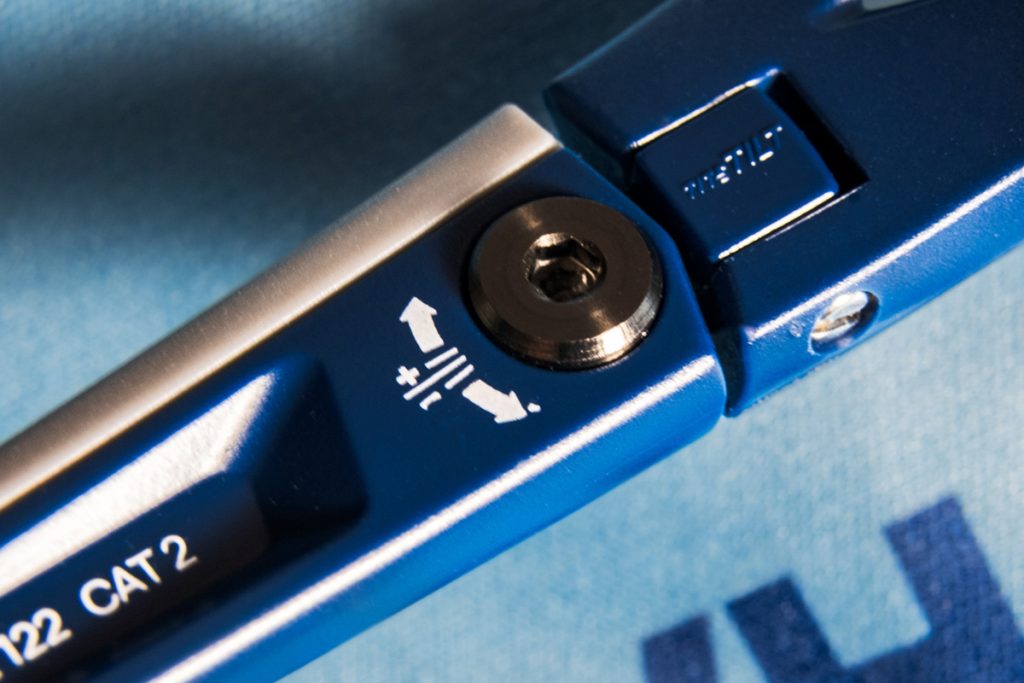
Then there’s the TITE-TILT feature. This adjustable temple angle is one of those ‘why didn’t anyone think of this sooner?’ innovations. When you’re addressing the ball, or leaning over a putt, your head position changes significantly. Standard sunglasses, designed for an upright posture, often shift on your face, or the optical center moves, distorting your view slightly. The TITE-TILT:

“helps keep the lenses optically centered during that position.”
This is a small detail, but in golf, where marginal gains can make a difference, it’s worth noting. Any golfer who’s had to repeatedly push up their shades or felt the slight distortion when looking down knows how distracting it can be.
Performance on the Course: My Take
The proof, as always, is in the pudding. Or, in this case, on the golf course. The review highlights a “noticeable sharpening of detail” and improved contrast. This is the critical takeaway. While I don’t have launch monitor data for sunglasses (yet!), improved visual clarity directly impacts performance. I’ve heard countless anecdotes from golfers during fittings about losing their ball against a cloudy sky or struggling to pick out contours on the green. This isn’t just an annoyance; it’s strokes lost searching for a ball or misreading a putt.

The mention of ball tracking being significantly easier is huge. Imagine the confidence a golfer gains knowing they can reliably follow their drives, regardless of the sky conditions. That’s a psychological advantage as much as a visual one. While the lenses impart an “orange-brown tint,” if the “tradeoff is a noticeable sharpening of detail,” then it’s a trade-off many golfers will gladly make.
The TITE 01 (shield design) and TITE 05 (classic style) offer aesthetic choices, but the underlying lens technology is where the performance differentiator lies. The 01’s “nearly unobstructed view” is ideal for the purist focused entirely on the game, minimizing any potential frame intrusion. The 05 offers more versatility for those who want to wear them off the course. Both are valid choices, but the performance-first golfer will likely lean towards the 01 for maximum field of view.


Who are TITE Eyewear for?
At $199, TITE Eyewear sits in the premium category for performance sunglasses. Is it worth the investment? For the dedicated golfer, absolutely. If you’re someone who regularly plays in bright conditions and finds yourself constantly taking off your shades to read putts or track your ball, these are worth a serious look. This isn’t a miraculous addition that will add 10 mph to your ball speed or lower your spin by 500 RPMs, but it’s an enhancement to a critical sensory input in golf: sight. Better vision means better information, and better information leads to better decisions, which ultimately leads to lower scores.
My recommendation is for golfers who are serious about their game, from mid-handicappers looking for an edge to low single-digit players who understand the value of subtle advantages. If you’re currently wearing cheap, generic sunglasses on the course, you’re likely hindering your performance. TITE Eyewear represents a genuine effort to apply optical science to the unique demands of golf. It’s not marketing puff; it’s a targeted technology designed to make your visual experience on the course clearer, sharper, and ultimately, more effective.

