

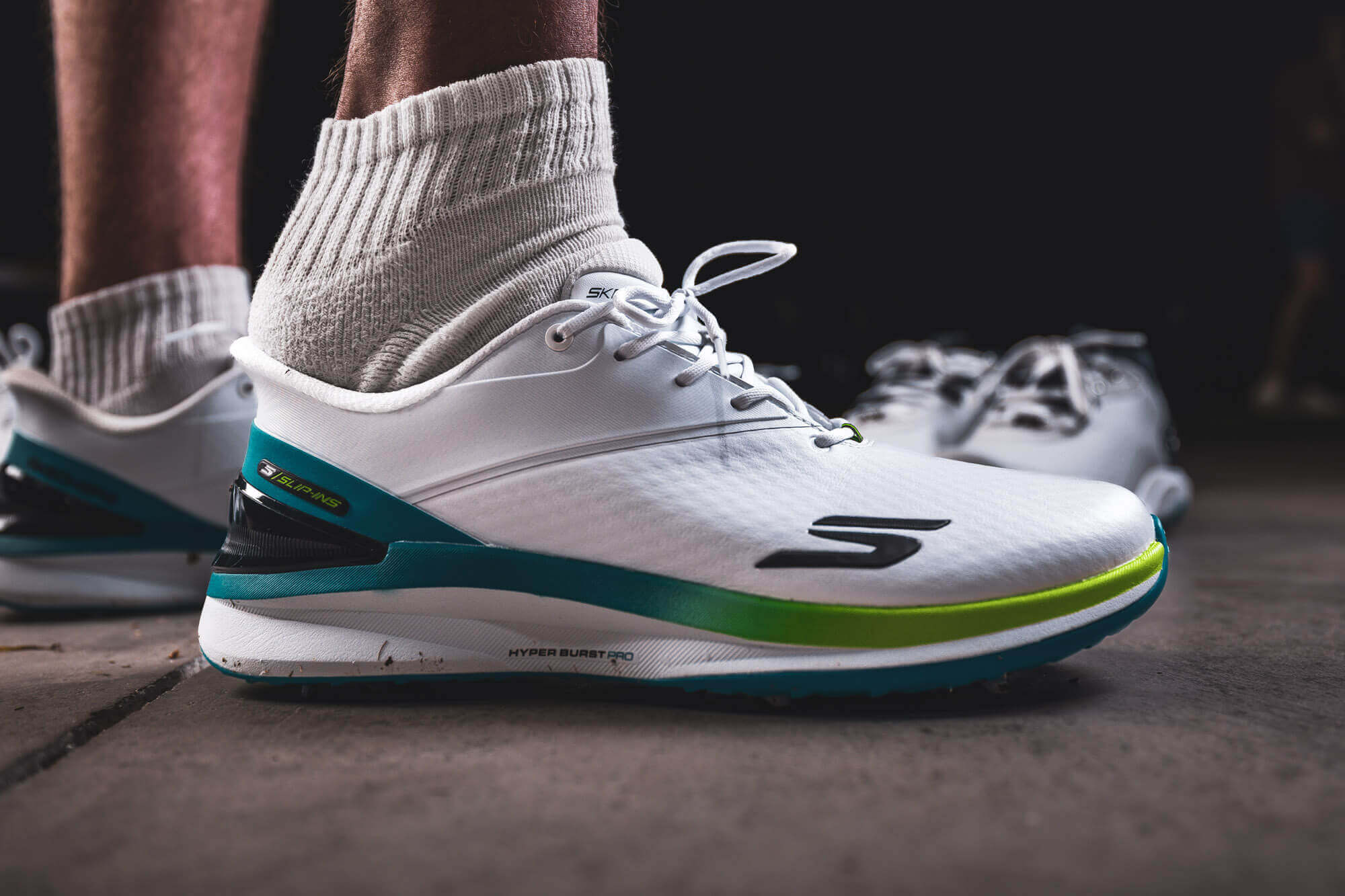

Okay, golfers, let’s talk shoes. Specifically, let’s talk about the Skechers Blade Tour, the shoe that apparently swept the “Best Spiked Shoe of 2026” awards. Now, my job here at The Daily Duffer isn’t to parrot press releases; it’s to cut through the marketing noise and tell you, based on actual testing and fitting logic, if a piece of gear lives up to the hype. And when a shoe comes out winning awards for 2026… well, let’s just say my BS detector flickers a bit early.
But putting aside any temporal anomalies in award ceremonies, the core claim here is bold: that the Skechers Blade Tour is so good, it would win a blind test against most of its competition. That’s a statement that piques my interest because, honestly, golf shoes largely fall into two camps: performance at any cost or comfort at any cost. Rarely do they meet in the middle with a compelling proposition for the average golfer, let alone a fit for every single person on the planet.
The Comfort Conundrum: More Than Just Soft
The first point of attack in the source article is comfort, and that’s where Skechers has built its brand. My fitting experience tells me that foot comfort is often overlooked but profoundly impacts a golfer’s swing longevity and consistency. A golfer whose feet ache by the 12th hole is not generating optimal clubhead speed or maintaining proper balance. The source article highlights two key technologies:
“With the Skechers Blade Tour, they took comfort to new heights with the addition of a HYPER BURST PRO sockliner. WTF is HYPER BURST PRO and why should you care? It’s Skecher’s flagship foam tech, the same one used in its marathon shoes. It’s a supercritical foam that’s ultralight and responsive. For you, that means more step-in comfort, less weight and better energy return overall.”
This “supercritical foam” isn’t just marketing jargon. In running shoes, these foams like HYPER BURST PRO are designed for energy return and shock absorption, translating directly to reduced fatigue. For a golfer, this means that while you’re planting your lead foot and generating rotational forces, the shoe isn’t just a dead space; it’s actively providing a supportive, yet responsive, platform. We’re not talking about increasing ball speed by 5 mph from your shoes, but certainly, less energy lost through impact can contribute to cleaner strikes and more consistent sequencing. The mention of an ECO FLIGHT midsole also suggests a multi-density approach, often used to balance cushioning with stability – critical for a golf swing that demands lateral support.
The Slip-In Tech: Stability vs. Convenience
When the “Hands Free Slip-In” technology first hit the market, my immediate thought in the fitting bay was: ‘How does this impact foot stability?’ A loose heel is a common culprit for loss of power and inconsistent weight transfer, especially during the transition and downswing. A player needs to feel locked into the shoe. The source article addresses this directly:
“The general concern for me was always, ‘If I can slip into it without touching it, how will my heel stay in place during the swing?’ The Skechers Blade Tour fits like a glove, thanks in large part to the integrated heel pillow. Once you slip into this pair, you’re locked in from the jump.”
This is where real-world testing becomes crucial. If that heel pillow truly locks the foot in place, then the convenience of the slip-in design becomes a net positive without compromising performance. For golfers who struggle with bending over due to back issues or simply want a quick on/off, this is genuinely appealing. From a technical perspective, a secure heel counter ensures that the rotational energy generated from the ground up is transferred efficiently through the ankle and into the swing, rather than being dissipated by internal foot movement within the shoe. We don’t have launch monitor data directly tied to shoe stability, but the correlation between foot stability and consistent ground forces is well-established in kinematic testing.
Upper Enhancements: Premium Feel, Real Performance?
The material choice for the upper is often a trade-off between waterproofing, breathability, and feel. Past Skechers models, as noted in the article, often favored TPU, which can feel less premium. The shift to a Clarino microfiber upper is significant.
Clarino is a synthetic leather known for its durability, water resistance, and ability to mimic the soft, supple feel of natural leather without the maintenance. For a golfer, this means a shoe that not only looks and feels better but also maintains its structure and waterproofing over time. A “plasticky” upper can restrict natural foot flex during the swing, potentially altering foot placement and pressure points. A more flexible, leather-like upper allows for better conformity to the foot, which can improve overall comfort and subtle shifts in foot pressure, leading to more consistent balance.
Traction: The Foundation of Power
Finally, traction. The “performance tires” featuring “Tour Flex pro spikes” are essential. Without solid traction, all the comfort and stability tech in the world won’t prevent slippage, especially in aggressive swings or wet conditions. The small critical note about potentially needing two more spikes in the heel is a good one. In my fitting experience, many golfers, especially those with powerful rotations, could benefit from more aggressive heel traction to prevent the lead foot from spinning out too early in the downswing, or the trail foot from losing its anchor during the load phase. Even a millimeter of slip can lead to off-center strikes and reduced ball speed. However, the claim of “legit traction in wet or dry conditions” is paramount and suggests a thoughtful spike pattern and material choice.
The Tyler Reed Verdict: Hype vs. Reality
So, does the Skechers Blade Tour live up to its “Best Spiked Shoe of 2026” moniker, and is it a shoe “everyone would benefit from trying”?
Based on the technical breakdown, Skechers appears to have genuinely focused on improving key performance areas beyond just comfort. The HYPER BURST PRO foam, improved slip-in tech with heel stability, and a premium Clarino upper all point towards a more holistic performance package. The reported $165 price tag further strengthens its value proposition, potentially undercutting some of the more established “performance” shoe brands.
I always tell golfers in my fittings that the best equipment is what allows you to execute your best swing consistently. For a shoe, this means minimizing distractions (discomfort), maximizing stability (preventing unwanted foot movement), and providing reliable traction. If these technologies deliver as described, especially the heel lock on the slip-ins, then Skechers is genuinely elevating its game. While I can’t definitively say it will beat “most, if not all, of the competition” in a blind test without getting my hands (or feet) on them and running them through our testing protocols, the underlying technical improvements are substantial.
Who is this for? Almost every golfer. If you prioritize comfort without sacrificing stability, if you appreciate a premium feel, and if you want reliable traction at a competitive price, this shoe deserves a serious look. It seems Skechers isn’t just making comfortable shoes anymore; they’re making genuinely performance-driven golf shoes that address common golfer pain points. It’s not about adding 5 yards to your drive, but about ensuring you can walk 18 holes strong and maintain the consistency of your ground forces from the first tee to the last putt. That, in my book, is a performance gain worth investing in.
