


As the Equipment Editor for The Daily Duffer, I’ve spent countless hours in fitting bays, on the range, and staring at launch monitor data. My mission? To strip away the marketing fluff and give you the unvarnished truth about golf equipment. Sometimes, though, “equipment” isn’t just about the stick you swing; it’s about the machine doing the swinging – your body.
I preach endlessly about optimizing launch conditions, reducing spin, and boosting ball speed to get those extra yards. But all the finely tuned drivers and perfectly fitted irons in the world won’t help if you’re wincing with every swing. And let’s be honest, nearly every golfer I fit eventually mentions some form of back pain, whether it’s a persistent ache or a sudden flare-up that impacts their swing mechanics and, by extension, their numbers.
I’ve witnessed firsthand how a golfer’s physical limitations directly translate to compromised performance. A stiff lower back often leads to a C-posture at address, reducing rotational capacity and ultimately costing you swing speed. Upper back tightness can restrict shoulder turn, leading to an over-the-top move or a lack of power. The data never lies: reduced flexibility and pain unequivocally lead to lower clubhead speed, inconsistent contact, and less efficient energy transfer to the ball. We’re talking 5-10 mph drops in ball speed from a restricted turn, which can easily translate to 15-20 yards lost off the tee. When you’re struggling to post a solid 145 mph ball speed with a driver you just paid a premium for, the issue might not be the club, but what’s inside the golf shirt.
So, when I came across a colleague’s enthusiastic take on a product designed to address this pervasive problem, my ears perked up. My initial thought, given my usual focus on clubs and data, was naturally skeptical. Can a non-golf specific device truly impact on-course performance? I’ve tested numerous “recovery” gadgets – massage guns, compression boots, even some exotic vibrating foam rollers. Most offer temporary relief, akin to putting a band-aid on a gaping wound. But the claim that this particular device could achieve results comparable to professional adjustments at home? That warranted a deeper look.
“Generally, after a few months of golf (or a few days of beating balls at the office), I’m stuck going to the chiro for an adjustment to get everything feeling right again. With the Chirp Contour, I’ve been able to achieve the same effect at home in a matter of 20 minutes or so.”
This statement intrigued me. The goal isn’t just pain relief, but restoring mobility and alignment – factors directly linked to optimal golf kinematics. After years of analyzing how subtle adjustments in club specs can yield significant gains, a tool that can “get everything feeling right again” at home could be a game-changer not just for comfort, but for consistent performance.
Chirp Contour: Decompression Beyond the Hype?
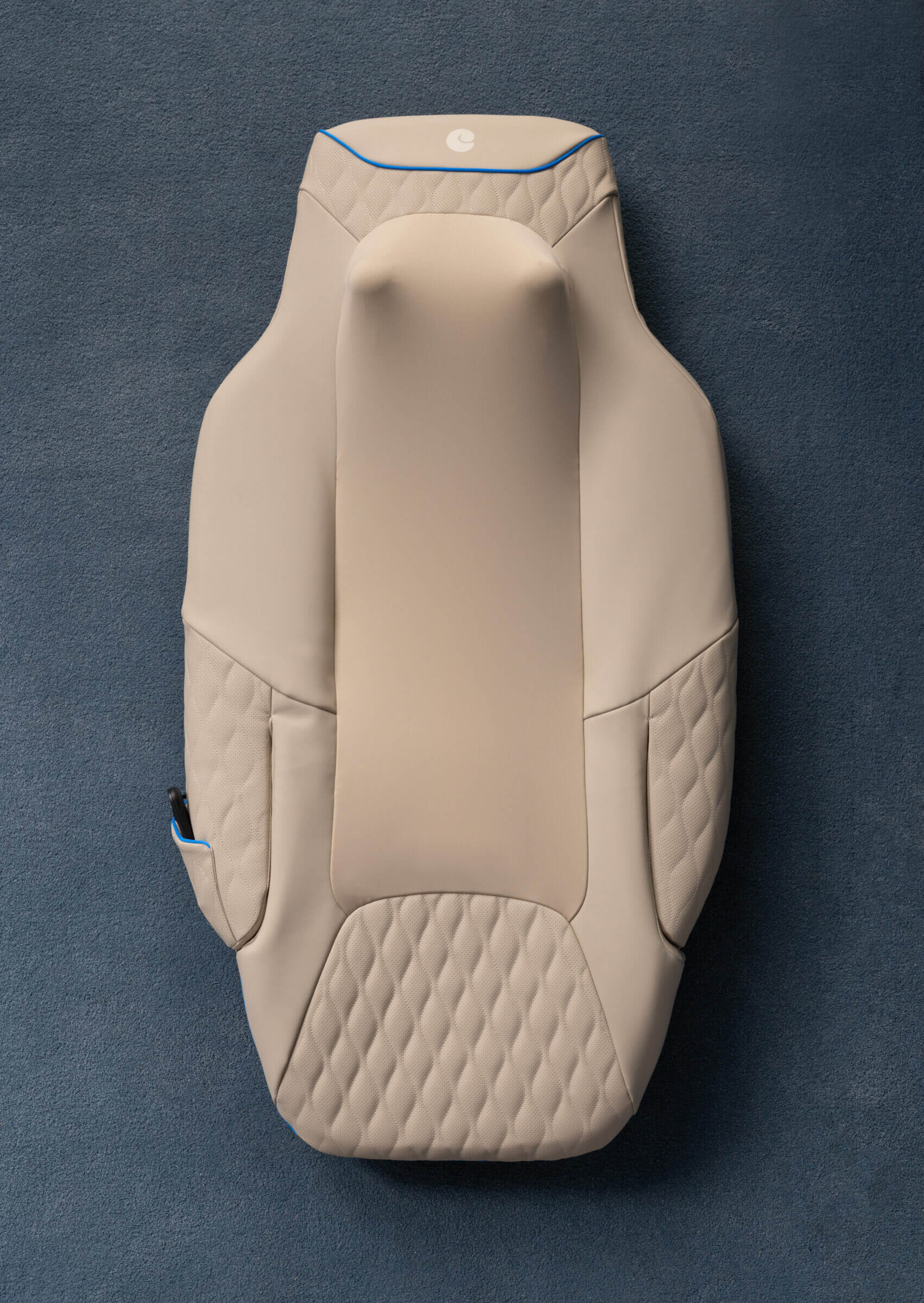
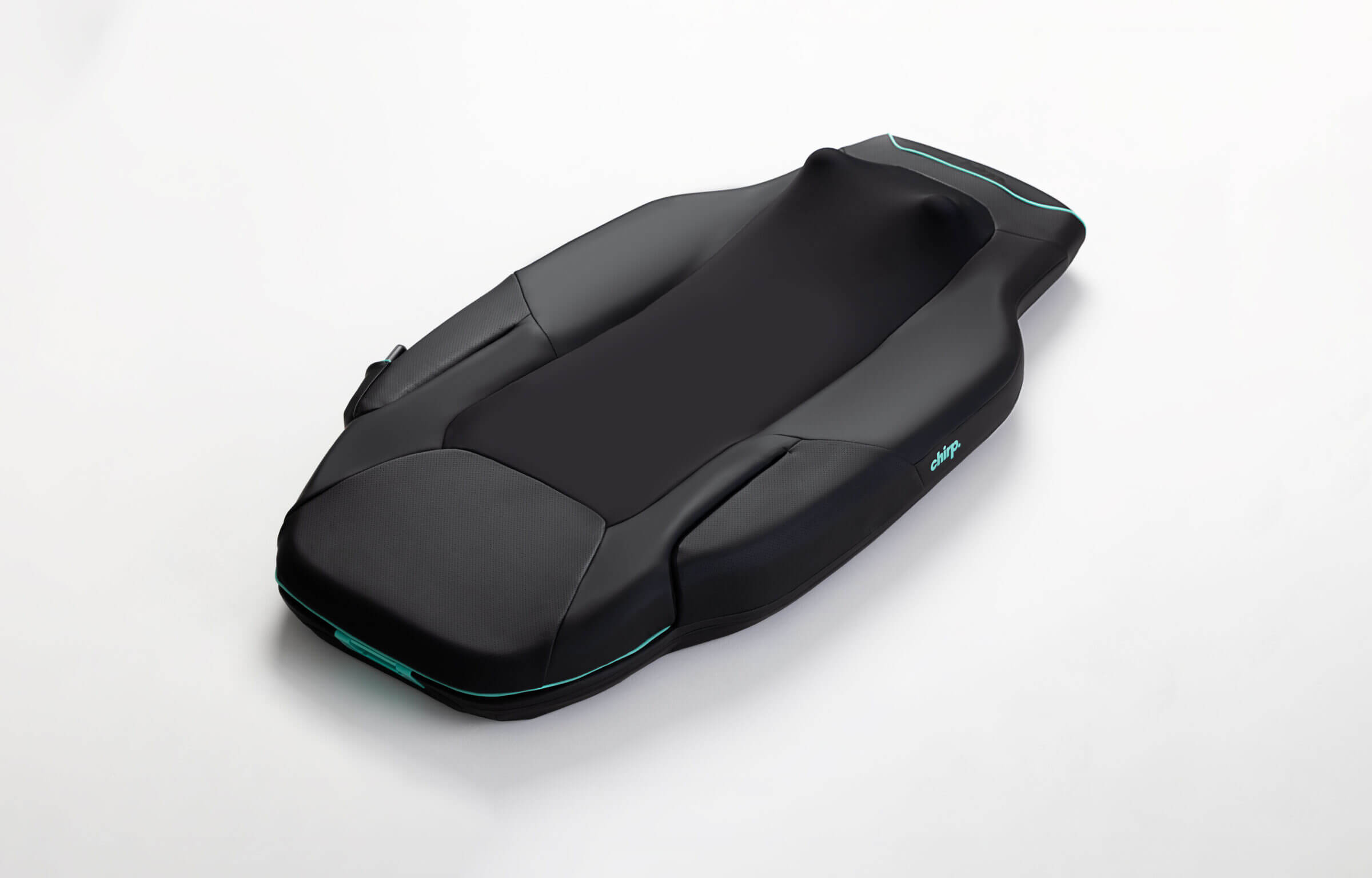
The product in question is the Chirp Contour. It’s not some portable recovery stick; it’s a substantial piece of equipment. My colleague emphasizes its features: two levels of heat, three interchangeable massage rollers (Deep Tissue, Contour, Soft), three massage modes, and three preset sessions. As a club fitter, I see parallels here to adjustability in clubs. Just as a driver’s loft sleeve allows for fine-tuning launch conditions, these features suggest a tailored approach to spinal decompression and massage, rather than a generic one-size-fits-all solution.
“The ability to target any portion of your back is necessary. Using the included remote to target one specific area in my upper or lower back is much better than only having a ‘one-size fits all’ approach to massage.”
This point resonates deeply with my experience fitting golfers. Just like every golfer has a unique swing and therefore needs specific club characteristics (different shaft flexes, lie angles, etc.), every golfer’s body has unique pain points and areas of tightness. A generic foam roller might help overall, but the ability to precisely target specific vertebrae or muscle groups, as suggested by the remote control functionality, is critical for effective, lasting relief and improved mobility. From a biomechanical standpoint, addressing a specific restriction in the T-spine (thoracic spine) can unlock significant rotational capacity that a general back rub simply won’t. This can lead to a noticeable increase in backswing length and follow-through, often translating to those crucial extra degrees of shoulder turn that generate more clubhead speed.
The Real-World Impact on Your Game
The core message here isn’t just about feeling better; it’s about playing better. If this device can genuinely alleviate lower back pain and improve spinal mobility, the direct benefits to your golf swing are undeniable:
- Increased Turn: A flexible spine allows for a fuller shoulder turn, generating more power. This translates directly to higher clubhead speed, which, all else being equal, means more ball speed.
- Improved Posture: Decompression can help correct poor posture, leading to a more athletic setup at address. This improves your ability to deliver the club squarely at impact.
- Reduced Compensation: When pain forces you to compensate in your swing, you lose consistency. Eliminating that pain allows for a more natural, repeatable motion.
- Faster Recovery: Using it before and after rounds, as suggested, can help prime muscles for performance and aid recovery, reducing stiffness for the next day’s round.
My colleague’s observation about starting with the soft roller and progressing to deeper tissue is also sound advice. Just as I wouldn’t put an extra stiff shaft in the hands of a golfer with a moderate swing speed, you don’t want to overdo an aggressive massage if your back isn’t conditioned for it. Gradual progression is key, both in club fitting and physical therapy.
The Trade-offs: Portability vs. Performance
“The one thing I would change is probably the one thing that cannot change: portability. A device like this is hard to store. It doesn’t fold, it weighs a lot and moving it from floor to floor on my three-level townhome is a chore.”
This is the classic golf equipment dilemma: performance vs. convenience. We all want the 48-inch driver for maximum distance, but it doesn’t fit in every trunk. We want the full bag of specialty wedges, but carrying them often means sacrificing a utility club. The Chirp Contour, at 22 pounds and not foldable, is clearly designed for home use. It’s not meant to be a range companion like a small massage gun or a portable launch monitor. This means establishing a dedicated space for it, which could be a consideration for those with limited living space.
The Tyler Reed Verdict: Is it Worth the Investment?
Given the price point (which isn’t cheap) and its significant size, the Chirp Contour isn’t a casual purchase. However, if you are a golfer who:
- Consistently suffers from lower or upper back pain that impacts your swing.
- Spends significant money on chiropractic adjustments or massages multiple times a year.
- Is seeing a decline in clubhead speed or consistency due to physical limitations.
- Wants an at-home solution to proactively manage back health for golf.
Then this device, based on the testimonial and design, presents a compelling value proposition. While I haven’t put it through my own rigorous data analysis yet (it’s hard to measure spinal decompression with a Trackman!), the potential for improved mobility and reduced pain directly correlates to better numbers on the course. For many golfers, the cost of a few chiropractor visits can quickly add up to the price of this unit. If it delivers on its promise of consistent relief and improved physical readiness for golf, it could very well be a smarter investment than that latest “game-improvement” iron set you’re eyeing. Optimal equipment starts with an optimal engine – your body. Don’t overlook the impact of physical well-being on your score, because the data (and your back) will eventually tell you the truth.
