


For years, the golf industry has peddled a familiar narrative: distance comes at the expense of accuracy. It’s the old “choose your poison” dilemma on the tee box. As someone who’s spent countless hours dissecting launch monitor data and fitting hundreds of golfers, I can tell you there’s a grain of truth to that. Ultra-low spin heads, designed for maximum distance, often come with a wider dispersion pattern. Conversely, highly stable, forgiving drivers can sometimes leave a few yards on the table. But every so often, a test comes along that challenges these long-held assumptions.
The 2026 MyGolfSpy driver test has, once again, given us some compelling data. What caught my eye wasn’t just the sheer number of drivers tested, but the clear identification of a select few that genuinely defy the traditional distance-accuracy trade-off. This isn’t marketing fluff; this is hard data showing drivers that put the ball further down the fairway, yet still keep it playable. That’s the holy grail for golfers of all skill levels, and frankly, what we’ve all been searching for.
MyGolfSpy uses two metrics that I wholeheartedly endorse for evaluating accuracy: Straight Shot Percentage and Playable Shot Percentage. These aren’t just about how tight your dispersion is, but how often your ball stays *in play* and provides a reasonable shot at the green. As a fitter, I can tell you that a driver that consistently delivers a playable shot, even if it’s not always dead-straight, is far more valuable to a golfer’s scorecard than one that occasionally bombs it 300 yards but misses the fairway by 50.
Out of 40+ drivers, only a handful truly stood out in this critical dual performance category. Let’s dig into the tech behind these performers and what it means for your game.
Callaway Quantum Max: The All-Around Contender
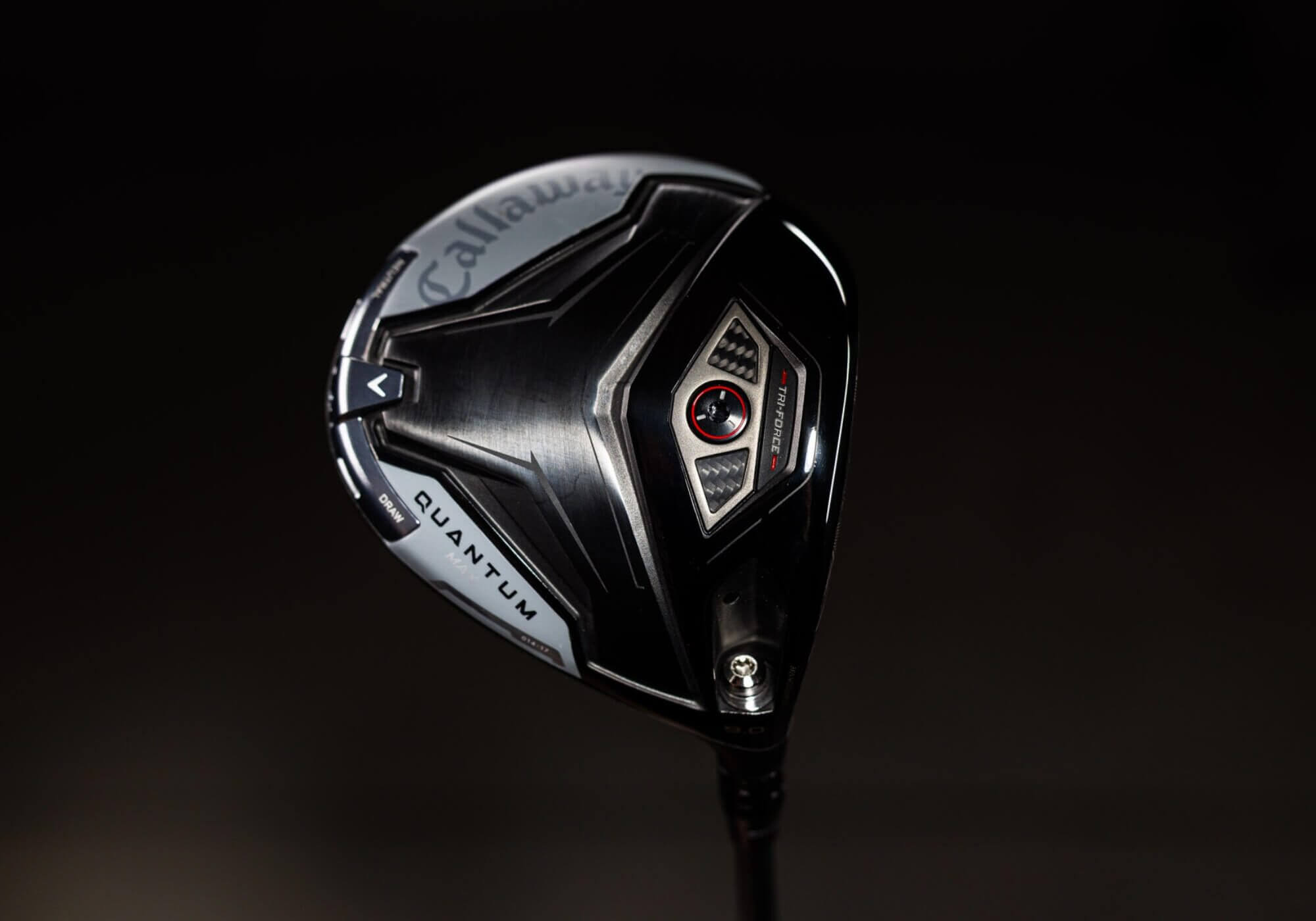
The Callaway Quantum Max immediately caught my attention. In a world often dominated by niche designs, this driver appears to be Callaway’s answer to the “do-it-all” dilemma. The data here is incredibly strong, suggesting Callaway has hit a sweet spot in their design philosophy.
“It produced the longest total distance in this group at 255.2 yards while also leading the group in Straight Shot Percentage (58.1 percent) and posting an 88.1 percent playable shot rate.”
These numbers are more than impressive; they’re truly exceptional for a single driver. A 58.1% straight shot percentage is a testament to serious stability on off-center hits. This implies that Callaway has successfully moved mass (think CG placement and MOI) to create a high moment of inertia, resisting twisting on mishits. The 88.1% playable shot rate further reinforces this – it’s not just about raw distance, but about consistent, usable distance. For the average golfer, this means fewer penalty strokes and more chances to attack greens. From my fitting experience, when I see these kinds of numbers, it usually points to a larger clubface, optimized weighting for forgiveness, and potentially a slightly higher launch/mid-spin profile that helps keep the ball in the air longer without ballooning.
Callaway Quantum Triple Diamond: Speed with Control
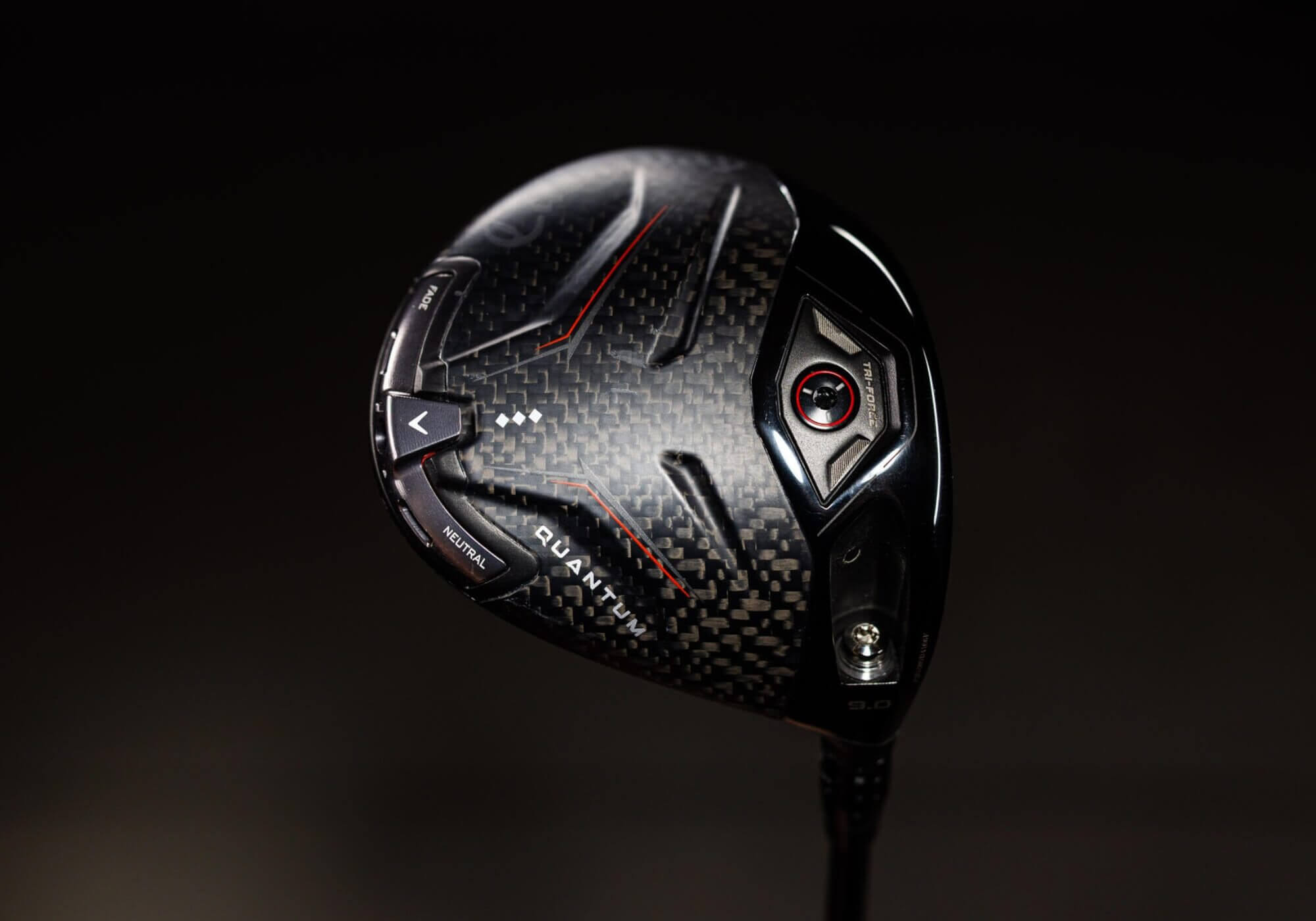
The Triple Diamond line often gets pigeonholed as a low-spin monster for tour pros. While it certainly caters to higher swing speeds, the 2026 Quantum Triple Diamond seems to have broadened its appeal without sacrificing its core identity. Producing 254.4 yards of total distance at a blistering 142.1 mph ball speed, it’s clearly a speed demon.
“Despite the speed-focused design, testers still produced a 54.1 percent straight-shot rate and an 87.4 percent playable shot percentage. That combination allowed it to compete in both the distance and performance categories.”
This is where the tech gets interesting. Often, generating high ball speed from a “player’s” head means sacrificing MOI and forgiveness. The fact that it maintains solid straight shot and playable shot percentages suggests Callaway has found a way to marry low spin with enough stability to prevent disastrous misses. The note about “dispersion was slightly wider…reflected in a larger shot area” is crucial. This tells me that while it’s more forgiving than typical Triple Diamond models, it’s still not as stable as the Quantum Max. It’s likely designed for a skilled player who can deliver consistent contact but still benefits from a touch more forgiveness than a pure blade-like driver. The lower spin could be achieved through forward CG placement, which typically reduces MOI, so this balance is quite a design feat.
TaylorMade Qi4D: The Overall Champion
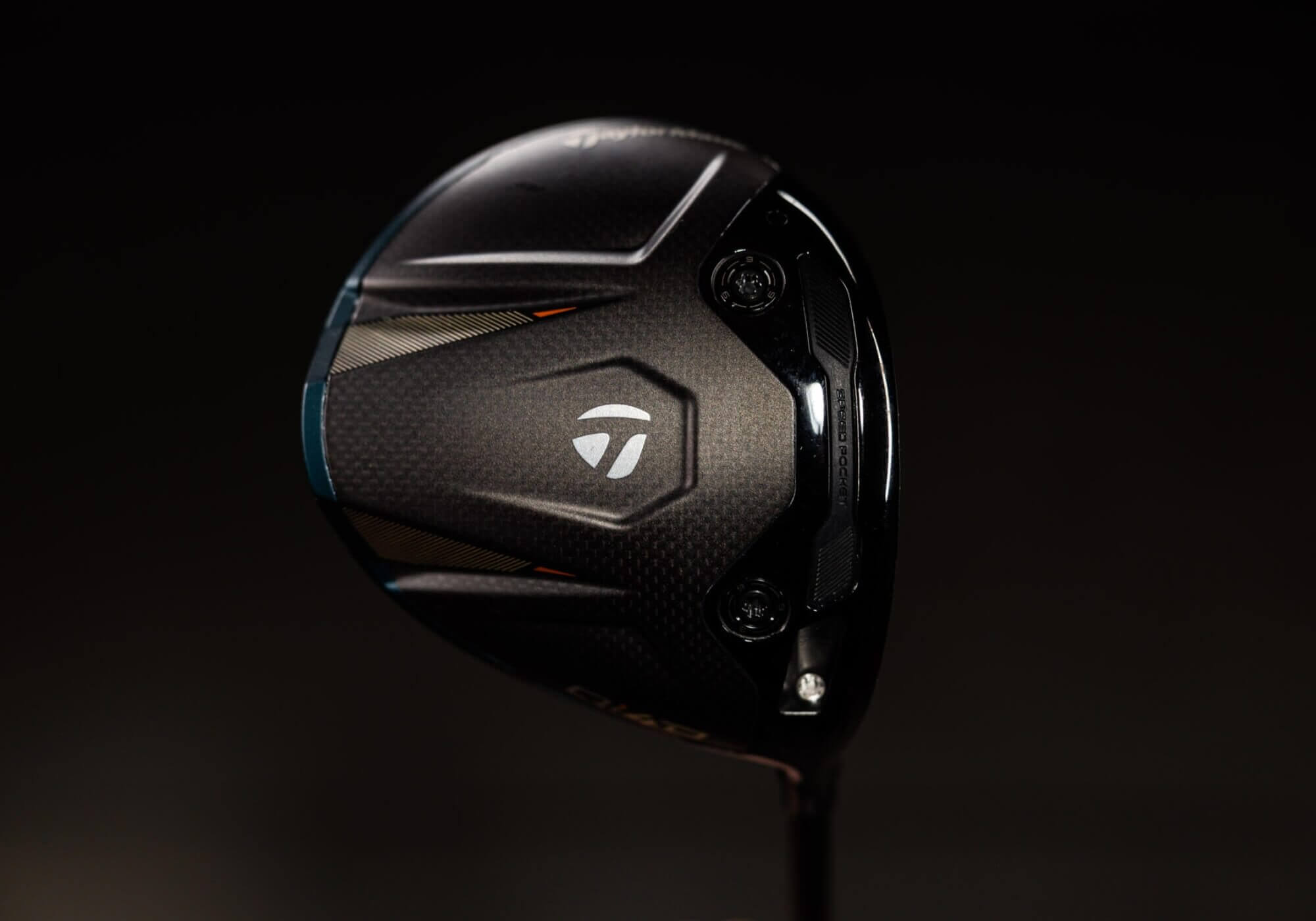
When a driver is crowned the “No. 1 overall” in a MyGolfSpy test, you pay attention. The TaylorMade Qi4D’s success across “nearly every category” is what I look for in a top performer. Highest ball speed in this exceptional group at 142.3 mph, generating 253.3 yards total distance – that’s some serious firepower.
What truly elevates the Qi4D is its accuracy metrics: a 56.1% straight-shot rate and 87.8% playable drives. But here’s the kicker, and something I emphasize constantly in my fittings: “One of the key strengths of the Qi4D was its tight dispersion, reflected in the smallest shot area of the group.” This is huge. Tight dispersion is the hallmark of true forgiveness and stability. It means that whether you hit it perfectly or slightly off-center, the ball’s final resting place is still remarkably close to your intended target line. TaylorMade has been pushing “inertia generation” and balance for a while, and these results suggest they’ve advanced their MOI story significantly. This level of consistency makes the Qi4D a game-changer for a vast array of golfers.
PING G440 K: Balanced Performance
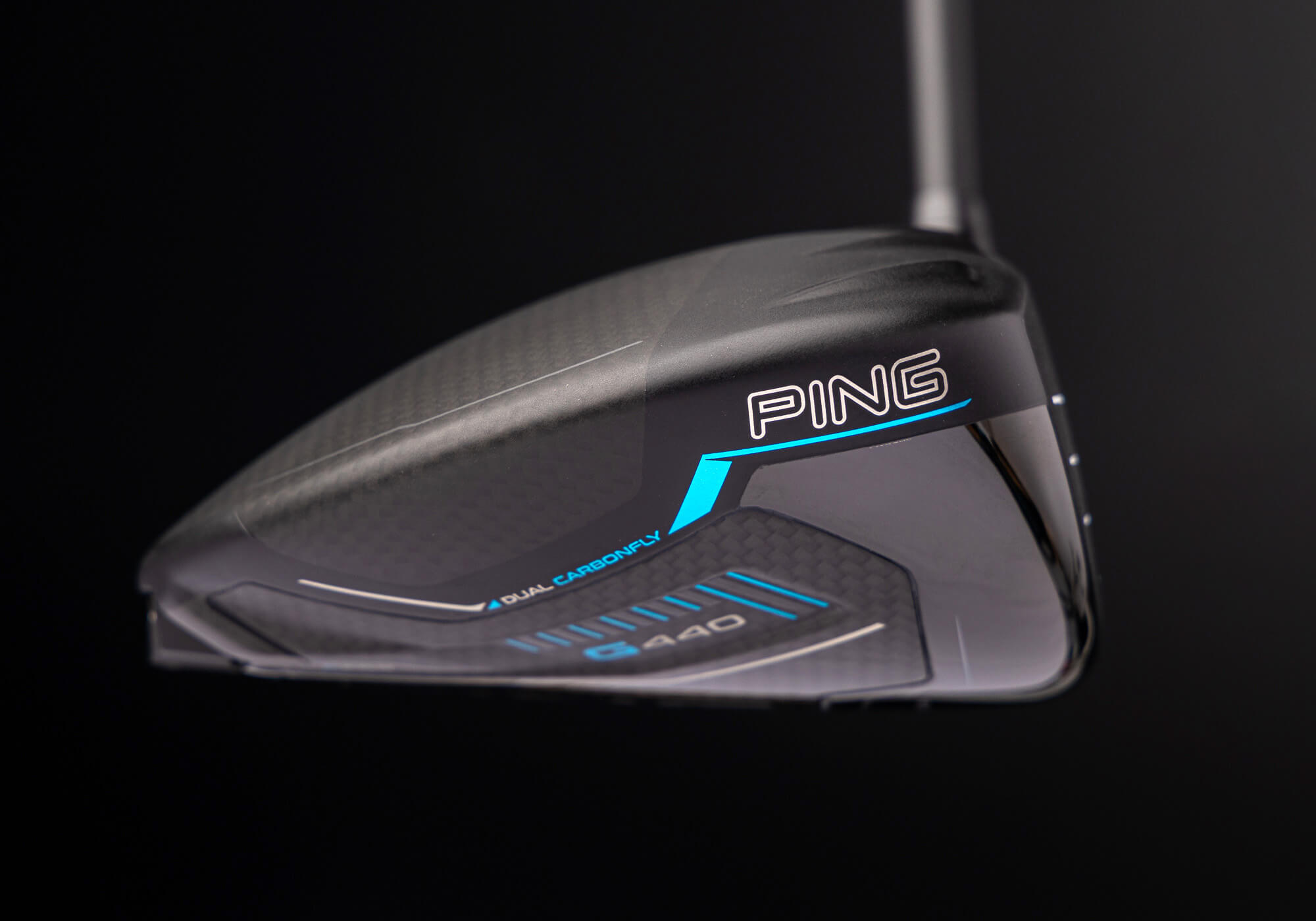
PING has a reputation for combining forgiveness with distance, and the G440 K continues that legacy. Its statistical profile is described as “balanced,” and that’s exactly what I’d expect from a PING driver. With 252.0 yards total distance and 141.7 mph ball speed, it’s right there with the leaders.
Where the G440 K truly shines is its offline performance. “Testers averaged just 2.36 yards offline, the lowest in this group.” That is an absolutely incredible number for average offline distance from a driver. This translates directly to its 51.6% straight-shot rate and 87.7% playable shots. The mention of “slightly higher average spin than the others” is a key technical insight. Higher spin, when controlled, can actually *help* stabilize ball flight, reduce sidespin on mishits, and prevent dramatic deviations. It’s a classic PING approach: prioritize stability and predictability, and trust that the distance will follow. This driver is likely perfect for golfers who prioritize finding the fairway consistently above all else, and who appreciate a slightly higher, more stable ball flight.
The Real Takeaway: You Don’t Have to Choose
The 2026 MyGolfSpy driver test provides compelling evidence that the old adage, “you have to choose between long and accurate,” is becoming increasingly obsolete. The engineering advancements in these four drivers – particularly the Callaway Quantum Max and the TaylorMade Qi4D – demonstrate a genuine leap in marrying distance with true playability.
As an equipment editor and club fitter, I see this as a huge win for golfers. It means that manufacturers are finally leveraging CG placement, MOI design, and face technology in ways that truly benefit the majority of players. Is it worth the money? If you’re currently sacrificing accuracy for distance, or vice versa, then absolutely. A driver that consistently keeps you in play and closer to the hole will shave more strokes off your score than any other club in your bag.
My advice? Don’t blindly chase the “longest” driver. Prioritize the one that offers the best blend of speed and consistent forgiveness, as measured by verifiable data like MyGolfSpy’s. For many golfers, particularly those with mid-to-high handicaps, the PING G440 K or Callaway Quantum Max will likely offer the most benefit due to their exceptional dispersion control and playable shot rates. For faster swingers who want tour-level performance but with a touch more forgiveness, the Callaway Quantum Triple Diamond could be a fit. And for those seeking the ultimate all-around performer, the TaylorMade Qi4D’s tight dispersion and overall balance make it incredibly compelling.
Always get fitted. Always test. And always look for the data that backs up the claims. These four drivers have shown that in 2026, you truly can have both long and accurate off the tee.
