


We’ve all been there: a shiny new piece of gear hits the market, promising to shave strokes off your game, add yards to your drives, and generally make you a golf god. As the Equipment Editor for The Daily Duffer and someone who lives and breathes club fitting and technology, my job is to cut through that marketing noise. I spend countless hours on launch monitors, dissecting data, and fitting hundreds of golfers to understand what genuinely improves performance and what’s just clever advertising.
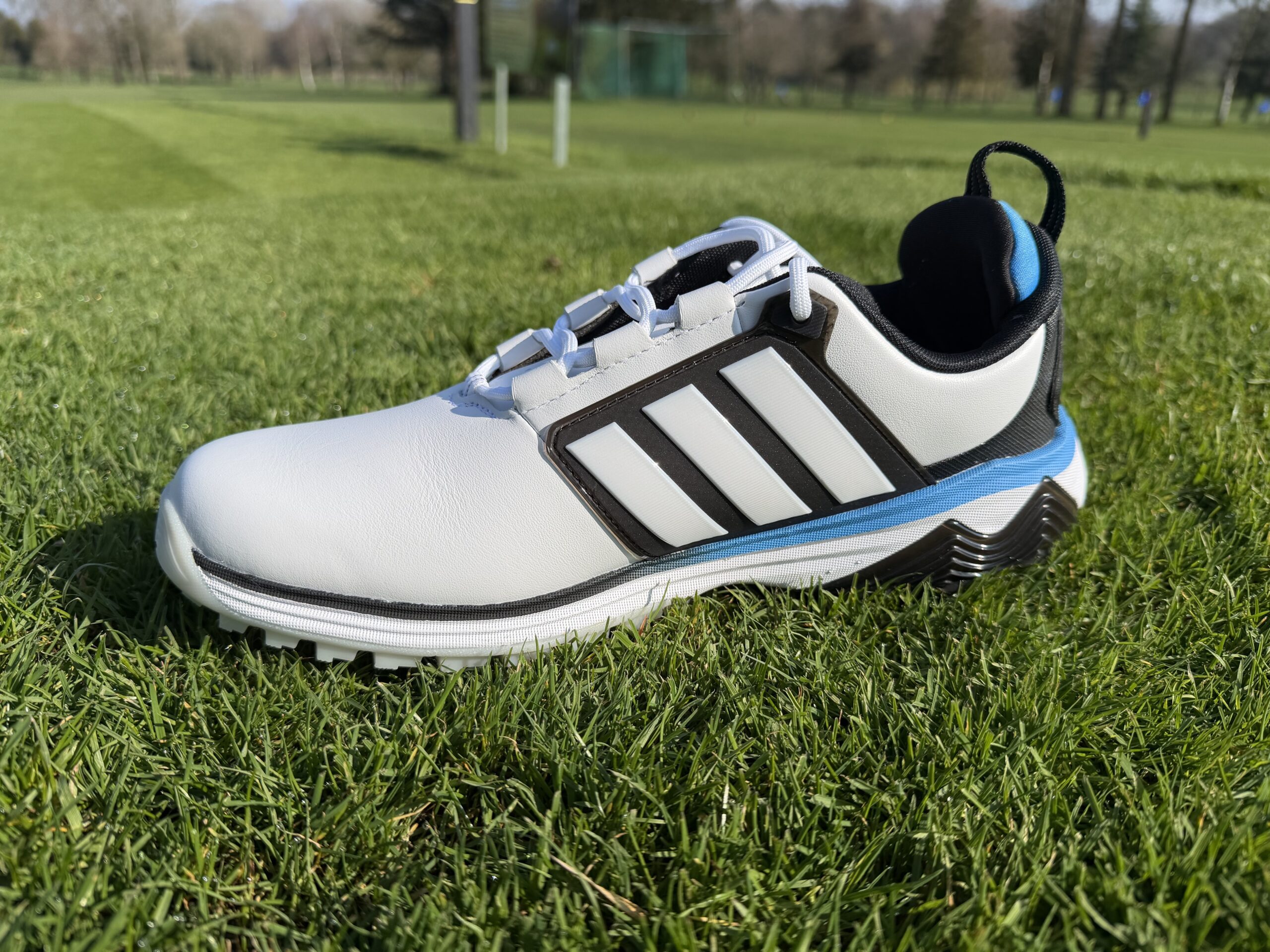
So, when a brand like Adidas, which has been consistently delivering top-tier performance golf shoes, releases a new model, my antenna goes up. The Adipower 26 is positioned to bridge a gap in their affordable performance lineup. But does it deliver? Based on my analysis and the initial review, I’m seeing some red flags that savvy golfers need to be aware of.
The Quest for Affordable Performance: A Tightrope Walk
Adidas has built a strong reputation in the golf shoe market recently, particularly with models like the Codechaos and Tour360. The original reviewer notes this, stating:
“It’s been hit after hit after hit after hit for the best Adidas golf shoes as of late. Ever since I tested my first Adidas golf shoe in 2022 – the original Codechaos 22 – I’ve enjoyed every experience I’ve had wearing the famous German brand.”
This positive track record sets a high bar. The Adipower 26 aims to fill a specific niche: a performance shoe at a more accessible price point, around £110. This is a commendable goal, as not every golfer wants or needs to drop £150+ on shoes. However, “affordable performance” often involves carefully chosen compromises. The question is, where did Adidas compromise with the Adipower 26, and were those the right choices for the golfer?

(Image credit: Future)
The Fit: Where Data and Feel Collide
My biggest concern, echoed by the source reviewer, revolves around the fit of the Adipower 26. In club fitting, we talk endlessly about stability and energy transfer. The same principles apply to golf shoes. A snug fit is crucial for preventing lateral foot movement during the swing, ensuring that power generated from the ground up is efficiently transferred through the body to the club. If your foot slides even a millimeter, you’re losing potential ball speed and consistency.
However, there’s a fine line between “snug” and “uncomfortably tight.” The review highlights a significant issue here:
“The website description for Adipower describes a ‘snug fit’, which, unfortunately, is the understatement of the year. I already go half a size up in Adidas shoes as per the brand’s own recommendation but, but even with this extra sizing, I’ve never experienced a toebox and forefoot area quite as tight as this.”
This isn’t just a minor inconvenience; it’s a performance killer. Prolonged discomfort on the course will distract any golfer, regardless of skill level. More importantly, an ill-fitting shoe, especially one that crushes the toes and forefoot, can impede natural foot movement and balance. While the shoe might feel “planted,” if it’s due to painful compression rather than anatomical support, it’s a net loss. In my fitting bay, I consistently see how discomfort, even subtle, translates to tension in the swing, leading to reduced clubhead speed and inconsistent strike patterns.
The reviewer’s follow-up comment further complicates the matter:
“I’d likely need to go up a size and a half from my normal 8 UK, at which point I’ll likely have too much space between the end of my shoes and my toes and defeat the point of the shoe entirely.”
This is a classic paradox: size up for comfort, but lose the performance fit. This suggests a fundamental flaw in the last or design of the shoe. A truly “performance” shoe achieves stability without sacrificing comfort. It integrates anatomical design with responsive materials to support the foot through the dynamic movements of the golf swing, not simply constricting it.

(Image credit: Future)
Midsole Matters: Repetitor vs. Boost/Lightstrike
Another area of concern is the choice of midsole foam. Adidas has opted for “Reptitor foam” instead of the well-regarded Boost or Lightstrike technologies. From a technical standpoint, the type of foam directly impacts shock absorption, energy return, and overall feel. Boost, for instance, is known for its incredible cushioning and responsiveness, which translates to comfort and less fatigue over 18 holes. Lightstrike offers a lighter, more responsive feel, often favored in performance athletic shoes for quick movements.
The review notes that Repetitor is “noticeably firmer” than its counterparts. While a firmer midsole *can* offer increased ground feel and stability, especially for powerful swings, it often comes at the expense of comfort. For the average amateur golfer, comfort on a multi-hour walk is paramount. If the shoe is already uncomfortably tight, a firm midsole only exacerbates the problem. This combination could lead to foot fatigue and even pain, sidelining golfers or simply making the round less enjoyable.

(Image credit: Future)
Performance vs. Perceived Value: The Real Sticker Shock
Interestingly, the review acknowledges that “From a performance perspective, I can’t fault much. Though the discomfort was off-putting, it certainly kept my foot planted during the swing.” And the spikeless outsole performed “perfectly even in soggy conditions.” This confirms what I often see on the launch monitor: stability from a firmly planted foot can indeed translate to consistent turf interaction and efficient power transfer. We measure things like pressure plate data to see how force is applied and released during the swing, and a stable base is always key. However, if that stability comes at the cost of significant discomfort, it’s not a sustainable performance gain.
This brings us to the core issue: value. Adidas aims for an affordable performance shoe, but the market reality is that genuinely better options exist within their own stable, often at competitive or even lower prices for previous year’s models. The reviewer correctly points this out:
“If the £100-£110 mark is your budget for a performance pair of shoes, a pair of 2025 Codechaos shoes can be found for £90, the Adizero ZG is £105 and even the ZG23 can be found for under £100. Heck, if you can stretch your budget, the Tour360 24 – a shoe that has been the best on the market before the Under Armour Drive Pro Clone appeared – can be found for less than £140 now.”
This is where marketing hype usually falls flat with data and real-world value. Why launch a new shoe with comfort issues and a firmer, less-loved foam when superior, proven models are available for similar or less money? From a consumer perspective, it’s a tough sell. For a golfer looking for incremental gains, even a marginal increase in ball speed or better dispersion from improved ground connection is valuable. But discomfort will always negate these potential gains.

(Image credit: Future)
The Duffer’s Verdict: Look Elsewhere for True Value
My advice, after years of dissecting golf gear, remains consistent: prioritize comfort and proven performance. While the Adipower 26 might offer decent stability on paper, the severe fit issues and the use of a less compliant foam—especially when superior options exist within Adidas’s own catalogue—make it a hard pass for most golfers.
For golfers with an average to fast swing speed (i.e., those who generate enough force to truly test shoe stability), any form of discomfort will compromise their swing mechanics long before they see a benefit from a “snug” fit. For slower swingers or those prioritizing comfort for long walks, the firm sole and tight toe box are simply detrimental.
If you’re in the market for a performance golf shoe in the £100-£140 range, I strongly recommend exploring previous generations of Adidas’s own Codechaos or Tour360 lines. You’ll likely find shoes with a vastly better combination of comfort, stability, and energy return, leveraging proven technologies like Boost or Lightstrike, all for a similar or even lower price point.
In the world of golf equipment, the latest release isn’t always the best or the smartest buy. Sometimes, the true performance and value come from tried-and-tested tech, especially when brands release new models that seem to step backward in key areas for the sake of hitting a price point. Don’t fall for the new-product cycle without checking the data and, more importantly, listening to honest feedback about comfort and fit.
