

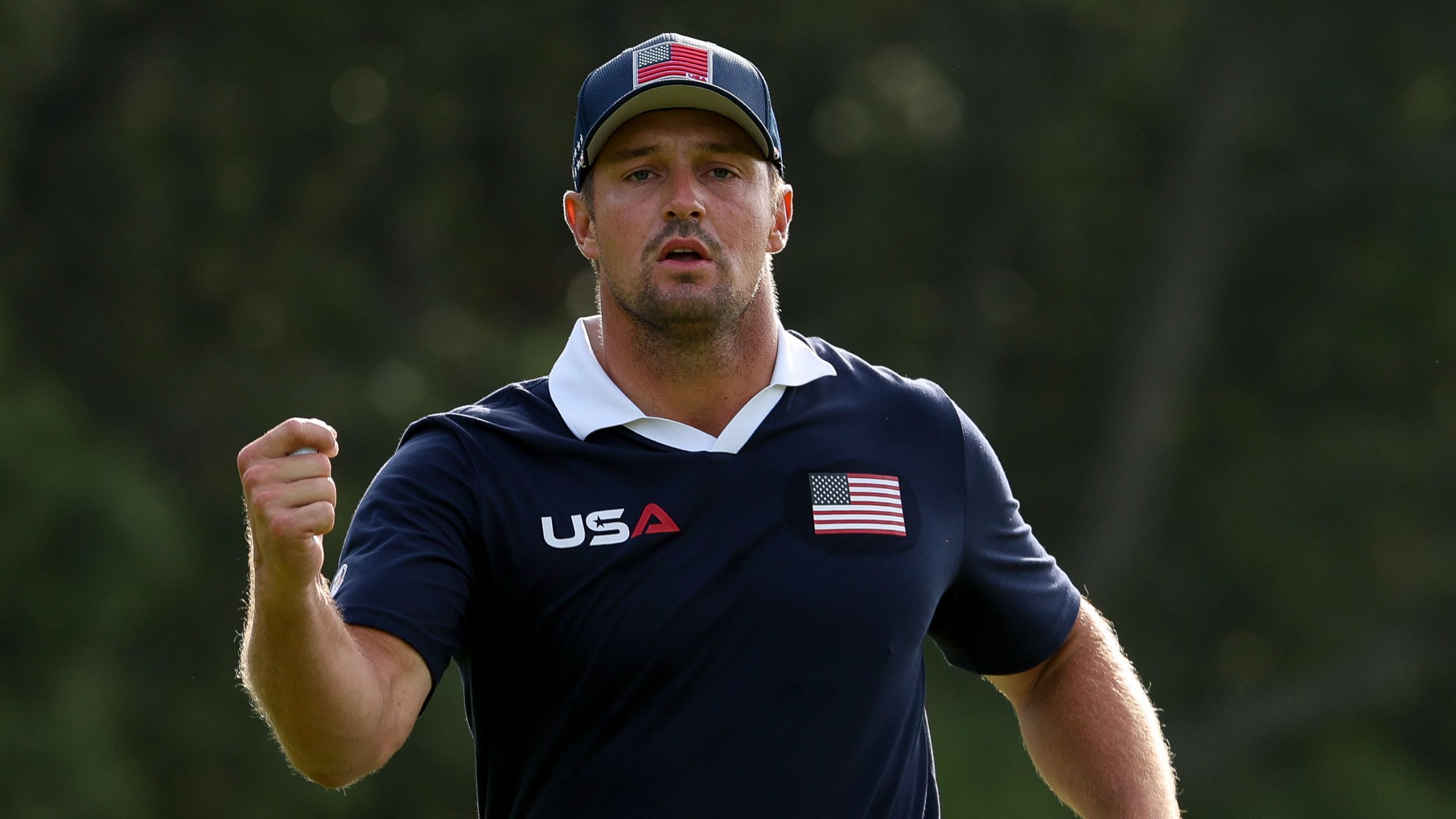

The Great Divide in Professional Golf: Bryson DeChambeau’s Perspective
In the world of professional golf, the conversation surrounding the ongoing divide between traditional tours and the emerging LIV Golf series continues to captivate fans and insiders alike. Recently, Bryson DeChambeau, a prominent figure in the sport, weighed in on the subject, sharing his thoughts on the challenges ahead. DeChambeau expressed skepticism about the potential for reconciliation, indicating that both sides still have significant ground to cover before reaching any form of agreement. As perspectives within the sport evolve, this article will explore the implications of DeChambeau’s insights, the current state of affairs, and what the future may hold for professional golf.
Understanding the Divide
The separation in professional golf has captured headlines since the inception of LIV Golf, a series heavily funded by Saudi Arabian wealth. It has attracted numerous high-profile players, creating a rift with traditional entities like the PGA Tour. This divergence has stirred debate about the future of the sport, with substantial financial incentives on one side contrasting with the established traditions of the other. DeChambeau’s comments reflect a broader sentiment that the chasm between these factions is not only wide but deepening.
Bryson DeChambeau’s Viewpoint
Speaking candidly, Bryson DeChambeau articulated his concerns regarding the lack of progress in bridging the divide. With an impressive record and considerable influence, DeChambeau’s opinion carries weight among industry stakeholders and fans. He emphasized that substantial differences in philosophy, organization, and financial structures present significant challenges to any potential healing of this rift. DeChambeau’s outlook suggests that without a willingness to compromise, any future discussions may be futile.
Financial Implications in Golf
One of the most contentious issues at the heart of this divide is financial backing. LIV Golf’s lucrative contracts and tailored formats appeal to players seeking financial security and unique tournament experiences. In contrast, the PGA Tour’s longstanding traditions and established sponsorship deals continue to represent stability for many players, though debates persist over player compensation and equity. DeChambeau noted that until there is a balanced discussion around monetary values, it will be challenging to come to the negotiating table.
The Changing Landscape of Competition
Another factor contributing to this divide is the shifting competitive landscape. With the introduction of the LIV Golf Series, athletes now have multiple options when deciding where to compete. For players like DeChambeau, this flux has paved the way for a new era of golf, where personal preferences, brand alignment, and performance expectations weigh heavily on decision-making. This evolution is reshaping the sport, adding layers of complexity to how golfers view their careers and the tours they participate in.
The Role of Player Alliances
The collaboration among players has also emerged as a pivotal factor in this ongoing discourse. As DeChambeau pointed out, the need for unity among players from both factions is vital for any potential resolution. Allied interests can drive discussions around player representation, sponsorship opportunities, and the overall direction of professional golf. The once clear demarcation between tours has blurred, prompting players to reconsider their alliances and the potential benefits of cooperation over competition.
The Future of Golf Governance
In light of the current dynamics, governance within professional golf is under the microscope. With modern players demanding transparency and fairness, both the PGA Tour and LIV Golf will face increasing pressure to create equitable environments for competition. DeChambeau’s viewpoint underscores the need for governance that reflects the evolving needs of athletes while preserving the essence of the game. As discussions around governance gain momentum, it may catalyze shifts that could influence both tours.
Media Influence and Public Perception
The role of media in shaping public perception cannot be understated, particularly as it pertains to the divide within professional golf. Coverage of narratives surrounding the LIV Golf series versus the traditional tours has sparked polarized views among fans and commentators. DeChambeau noted that this influence could either aid in bridging the gap or exacerbate division, depending on how stories are conveyed. As public sentiment forms around these narratives, it could dictate the narrative for the sport’s future.
The Importance of Fan Engagement
Ultimately, how fans engage with professional golf will play a crucial role in determining the direction the sport takes. With a younger generation of fans more attuned to social media, the dynamics of audience engagement are evolving. LIV Golf has embraced this by cultivating a modern, vibrant identity that resonates with today’s viewers. Meanwhile, traditional tours must adapt to these changes to remain relevant. DeChambeau pointed out that fostering meaningful connections with fans is essential to informing the sport’s trajectory.
Embracing Innovation in Golf
While the divide may seem daunting, there’s an opportunity for innovation within the sport. DeChambeau’s progressive approach to golf has evidenced that embracing change can lead to growth and exciting developments. The rise of technology in golf equipment, analytics, and tournament formats offers pathways for cultivating interest and revitalizing the game. As the golf landscape continues to evolve, embracing innovation stands as a crucial element for persistence amid the challenges.
Conclusion: The Road Ahead
In summary, Bryson DeChambeau’s candid remarks highlight the complexities surrounding the divide in professional golf. With both the PGA Tour and LIV Golf facing distinct challenges and opportunities, the path towards reconciliation remains uncertain. However, as conversations continue and new ideas are explored, there exists hope for a more unified future in the sport. Bridging this divide may take time, but the collective resolve of players, organizations, and fans will shape how professional golf evolves in the years to come. The future of the game hinges on its ability to adapt, innovate, and unite.
As the landscape of professional golf transforms, it will be essential to keep an eye on emerging storylines, player experiences, and fan engagement. By understanding the dynamics shared by figures like Bryson DeChambeau, the greater golf community can engage more meaningfully with the sport and its ongoing evolution.
