


Bryson DeChambeau’s Impact on the Ryder Cup: An In-Depth Analysis
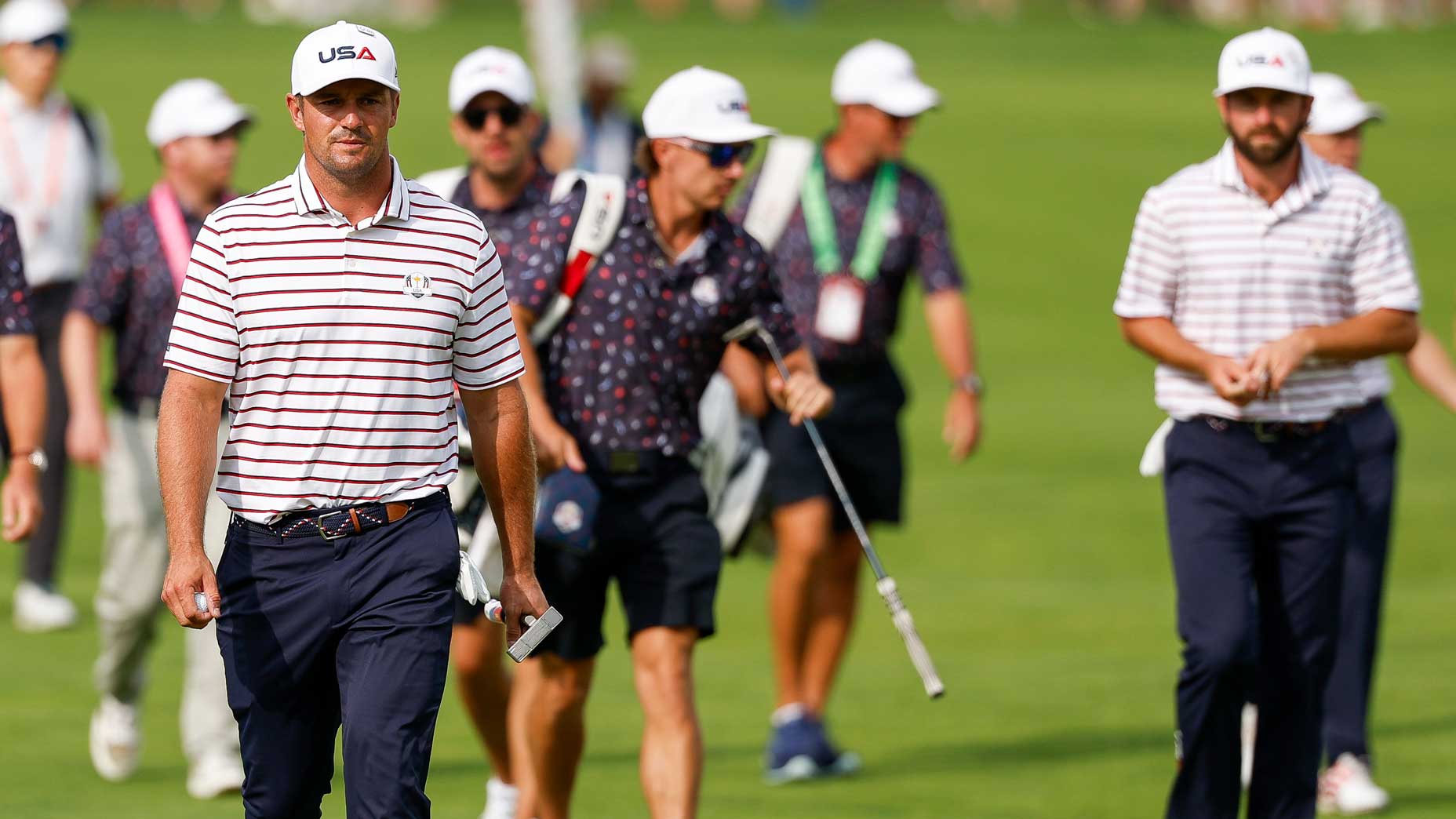
As Bryson DeChambeau strides onto the course for his first Ryder Cup appearance since the U.S. team clinched victory in 2021, all eyes are on the enigmatic golfer. Known for his unique approach to the game, DeChambeau not only draws attention for his performance but also for the controversies surrounding him. With mixed results in past Ryder Cups, the question looms: who will be his partner in this prestigious team event?
A Look Back at DeChambeau’s Ryder Cup History
In the 2021 Ryder Cup, DeChambeau showcased his talent, finishing with a record of 2-0-1, including a win and a tie in a fourball match alongside Scottie Scheffler. However, his performance in 2018 was less stellar, marking him with an unfortunate 0-3-0 record. Playing alongside legends like Tiger Woods and Phil Mickelson, he struggled and didn’t manage to secure any wins. With Woods and Mickelson absent from this year’s lineup, some speculate about the potential pairing dynamics for DeChambeau.
The Para-Dose of Partnership Dynamics
Teaming up in the Ryder Cup is an art form, and finding the right partner is crucial for success. Scottie Scheffler, having established a strong rapport with his friend Sam Burns, may likely not be available for DeChambeau. As Golf Channel analyst Johnson Wagner points out, the golf ball brand intricacies complicate potential partnerships. Given that golf balls can affect performance, finding a compatible teammate for DeChambeau becomes even more challenging.
Unique Equipment Considerations
DeChambeau’s unique ball specifications might hinder his chances of finding an apt partner in the traditional foursomes format. He made headlines recently for using a newly developed golf ball, the 2025 Pro V1x, diverging from the models most of his peers are using. While others comfortably play older versions, DeChambeau’s insistence on maintaining his chosen specifications raises questions about compatibility with potential partners in the Ryder Cup context.
The Role of Golf Ball Compatibility
The issue of ball compatibility doesn’t generally surface during regular tour events, but the unique format of the Ryder Cup necessitates certain conditions. In Pro-Am’s or mixed formats like the Zurich Classic, players often find themselves needing to choose golf balls carefully to optimize performance together. However, the Ryder Cup imposes standardization due to the restricted selection of balls across teams, turning what would normally be a minor detail into a potentially substantial hurdle.
Golf’s Unique Formats and Strategic Elements
If you’ve been immersed in golf, you’ll know that partnership strategies come into play during events like the Ryder Cup thanks to its unique match formats—foursomes, fourballs, and singles. The necessity for perfect synergy, especially in foursomes, is where DeChambeau’s unique ball choice presents an additional layer of complexity. It’s a key strategic element that may shape the American team’s approach to the event.
Insights from Golf Analysts
Wagner’s comments reflect a broader concern among analysts about DeChambeau’s suitability to sync up well with others. Observations indicate that he prioritizes specific spin rates and launch angles, leaving little room for switching to a different ball, even for a dependable partner. This focus on precision may potentially disconnect him from those who choose to opt for more standardized equipment, complicating his chances of finding a high-functioning partner.
Creative Solutions to Partnership Issues
Interestingly, solutions do exist for golfers facing partnership compatibility issues. During the Zurich Classic, Rory McIlroy and Shane Lowry capitalized on changing golf balls based on situational challenges throughout their rounds, showcasing a strategy rooted in flexibility. For the Ryder Cup, however, established rules don’t allow similar freedom in ball selection once the competition begins.
Potential Pairing Predictions
While discussions around pairing DeChambeau have continued, some analysts suggest that he could share the course with younger players who might be more flexible with their equipment choices. Regardless of who fills this role, it remains a hot topic among golf journalists and enthusiasts, building suspense ahead of the team event.
Conclusions & What Lies Ahead
Ultimately, Bryson DeChambeau stands as a focal point of this year’s Ryder Cup, embodying the allure and complexity of golf as a team sport. As strategies evolve and partnerships form leading up to the matches, the golf community collectively holds its breath, eagerly anticipating how DeChambeau will impact this high-stakes event. Will he rise to the occasion and forge effective collaborations, or will his equipment preferences hinder his contributions to the team?
In conclusion, the upcoming Ryder Cup not only offers a platform for DeChambeau’s talents but also explores the intricate dance of teamwork, equipment compatibility, and strategic planning that characterizes this revered event in professional golf. As the world turns its eyes to Rome, the storylines unfold, with DeChambeau at the heart of the narrative, promising an exciting chapter in Ryder Cup history.
