

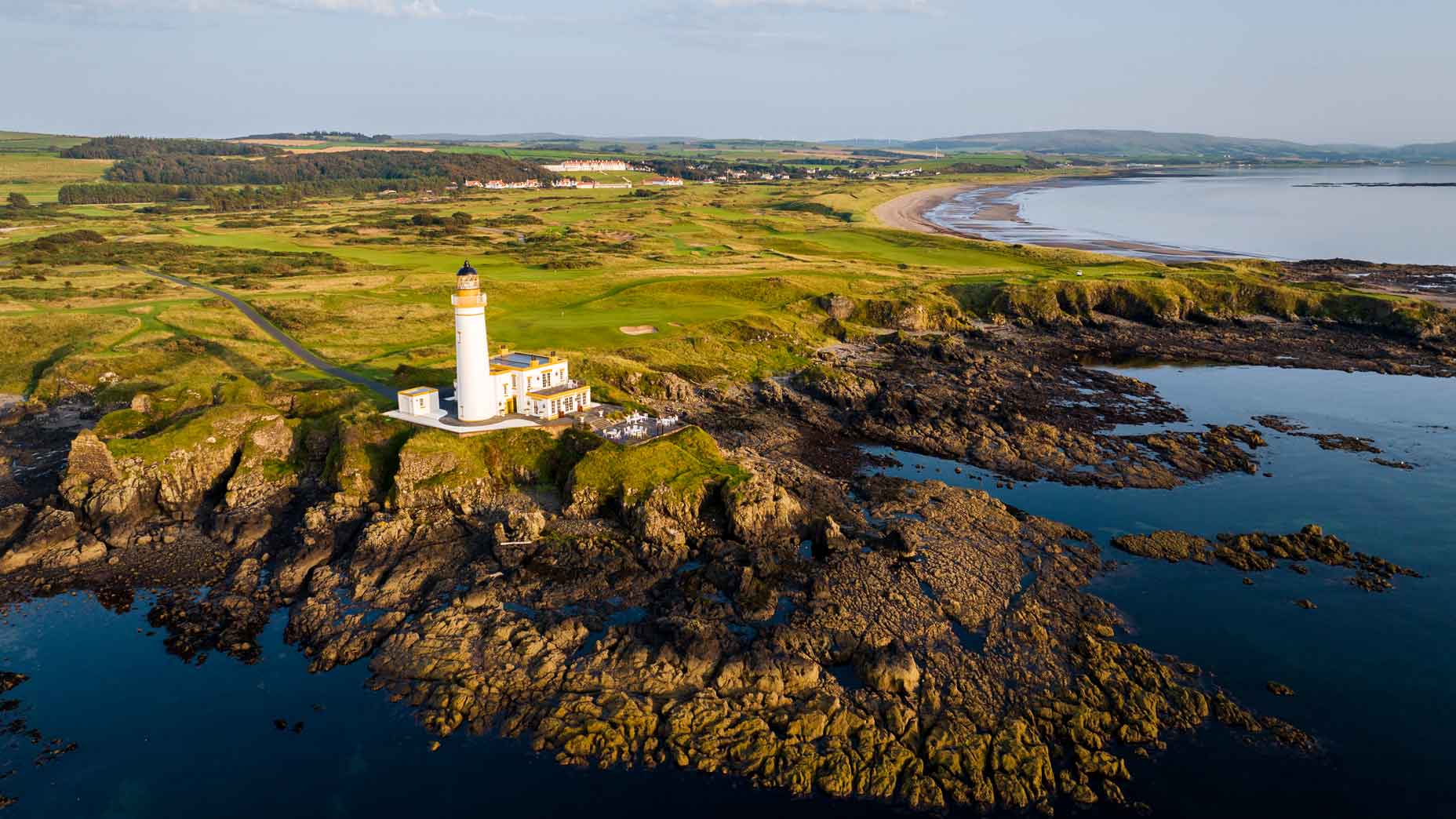

There’s something quietly rebellious about being a mid-amateur golfer in 2026. You’re not chasing sponsorships or major championships. You’re not grinding on the range six hours a day. Instead, you’re part of an increasingly celebrated segment of the golfing world—people who’ve built remarkable golf games around remarkable lives. And next year, Trump Turnberry is finally giving you the stage you deserve.
The upcoming Bridges Cup represents something I’ve noticed shifting in golf culture over the past few years: a genuine celebration of the accomplished amateur player who jugggles golf with career, family, and real-world complexity. This isn’t about talent tiers or who “could have gone pro.” It’s about identity. It’s about the CEO who shoots 3-handicap, the surgeon who plays in club championships, the executive who blocks off tournament season like it’s a board meeting—because to them, it is.
The Amateur’s Ascendancy
When 8AM Golf established the Bridges Cup in 2022, they tapped into something authentic. These aren’t aspiring professionals getting their last taste of competition before turning pro. These are people who’ve chosen a different path—one where excellence at golf coexists with excellence elsewhere. Previous editions at Nine Bridges in South Korea, Haesley, and Les Bordes in France have created an interesting dynamic: ultra-competitive golf in a deeply collegial atmosphere.
The name itself—the Bridges Cup—signals connection and crossing over. You’re not leaving your life to play golf. You’re bridging the two together. That resonates, especially among golfers who’ve internalized the idea that the game is about who you play with and what those relationships mean.
“These are highly accomplished players, but they are also the people you play with at great clubs around the world. That connection is what makes the competition special.”
Hoyt McGarity’s words capture the heart of modern golf culture. The game has shifted. Status isn’t determined by how close you came to the tour—it’s determined by the integrity of your game, the strength of your handicap index, and the friendships forged in tournament play. Mid-amateur golf is experiencing a boom precisely because it answers a question many accomplished golfers are asking: How do I take this seriously without letting it consume me?
What the Bridges Cup Teaches Us About Golf Lifestyle
If you’ve ever wondered whether your serious amateur golf aspirations “count” in the broader golfing world, the Bridges Cup is your answer: absolutely. But there’s a lifestyle lesson embedded here worth unpacking.
Playing competitive match play at championship-level courses against international competition requires a particular kind of preparation. These aren’t just golfers who can score well in isolation—they’re players who’ve built sustainable practice routines, nutrition habits, and mental frameworks around their golf. They’ve integrated golf into their identity without losing their identity to golf.
For those of us tracking our own games, that’s instructive. The players selected for Bridges Cup teams likely:
Structure practice around real-world schedules rather than unlimited range time. They prioritize quality over volume. They probably know their numbers—not just scores, but ball-striking stats, short-game percentages, and which aspects of their game need attention.
Invest in teaching. Many mid-amateur competitors work with instructors, not necessarily to rebuild their swing every season, but to maintain consistency and adapt as they age.
Balance competitive golf with longevity. These are players thinking about playing excellent golf at 50, 60, and beyond. They’re not grinding their bodies down—they’re preserving them through smart practice and fitness.
Understand team dynamics and match-play strategy. This requires a different skill set than medal play. It’s about reading opponents, managing emotions, and playing the course instead of the scoreboard.
The Teaching Summit Angle: Golf as Lifelong Learning
While the Bridges Cup celebrates competition, the expanded GOLF Top Teachers Summit speaks to another wellness trend I’m seeing throughout golf: the pursuit of continuous improvement as a lifestyle practice.
“Our Top Teachers Summits have continued to grow, especially during the current boom in the game. We are proud to work with so many outstanding teaching professionals and to help share their knowledge with golfers everywhere.”
The decision to expand the teaching summit to Scotland alongside the December U.S. event signals that golf instruction has become a lifestyle in itself. Teaching professionals are athletes and scholars, constantly evolving their craft. For golfers, this means access to better instruction, more specialized coaching, and a global community of people committed to making the game better.
If you’re serious about your golf—and honestly, most of you reading this probably are—this expansion matters. It means more opportunities to learn from top instructors, to understand the latest teaching methodologies, and to connect with peers who take the game seriously. The boom in golf instruction isn’t just about scoring better; it’s about understanding your swing more deeply, playing with greater intention, and extending your enjoyment of the game.
Bringing It Home: What This Means for Your Game
You probably won’t be selected for the Bridges Cup (the odds are pretty slim, no offense). But the culture shift it represents is available to you right now. Mid-amateur golf is thriving because golfers are treating it like a legitimate lifestyle pursuit. Not an obsession. Not a distraction from “real life.” But a serious, intentional component of how they spend their time and develop themselves.
That means being purposeful about your practice. Finding a good instructor and sticking with them. Playing competitive golf through club championships, member-guest events, and amateur tournaments. Building relationships with people who challenge you. Understanding that a 3-handicap requires different things than a 5-handicap, which requires different things than a 10-handicap.
Trump Turnberry hosting these events in 2026 isn’t just about venue prestige, though the four Open Championships and Walker Cup history certainly matter. It’s about recognizing that elite amateur golf deserves elite treatment—the same championship courses, the same facilities, the same respect that the professional game receives. And by extension, it’s validating the lifestyle choices of everyone who’s decided that serious amateur golf is worth serious time and attention.
