


As the Equipment Editor for The Daily Duffer and someone who’s probably spent more hours staring at launch monitor data than I have sleeping this year, I’ve seen my share of golf tech come and go. Every January, the golf industry hums with the promise of “more distance,” “tighter dispersion,” and “unprecedented forgiveness.” And every year, I’m in the lab, testing these claims with a critical eye and my trusty Foresight GCQuad.
A recent article on professional golfers and their driver choices really resonated with me, especially when it touched on the “security blanket” phenomenon with their older clubs. This isn’t just a Tour pro thing; it’s something I see constantly in fittings. Golfers, much like the pros, develop a deep trust in what’s worked for them. It’s not just about the numbers; there’s an emotional component that can be hard to overcome, even when the data unequivocally points to an upgrade.
The Reality of “New and Improved”
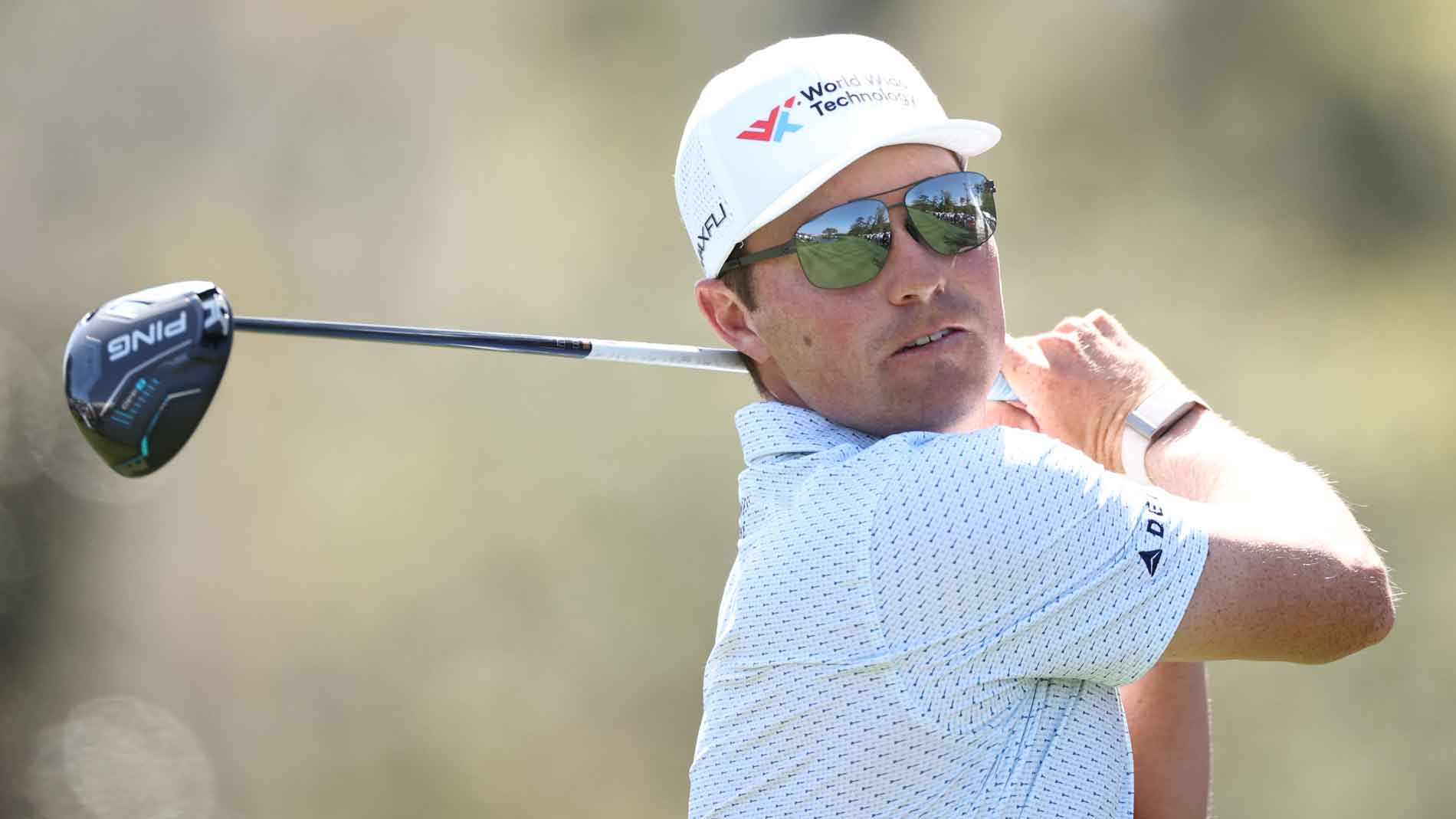
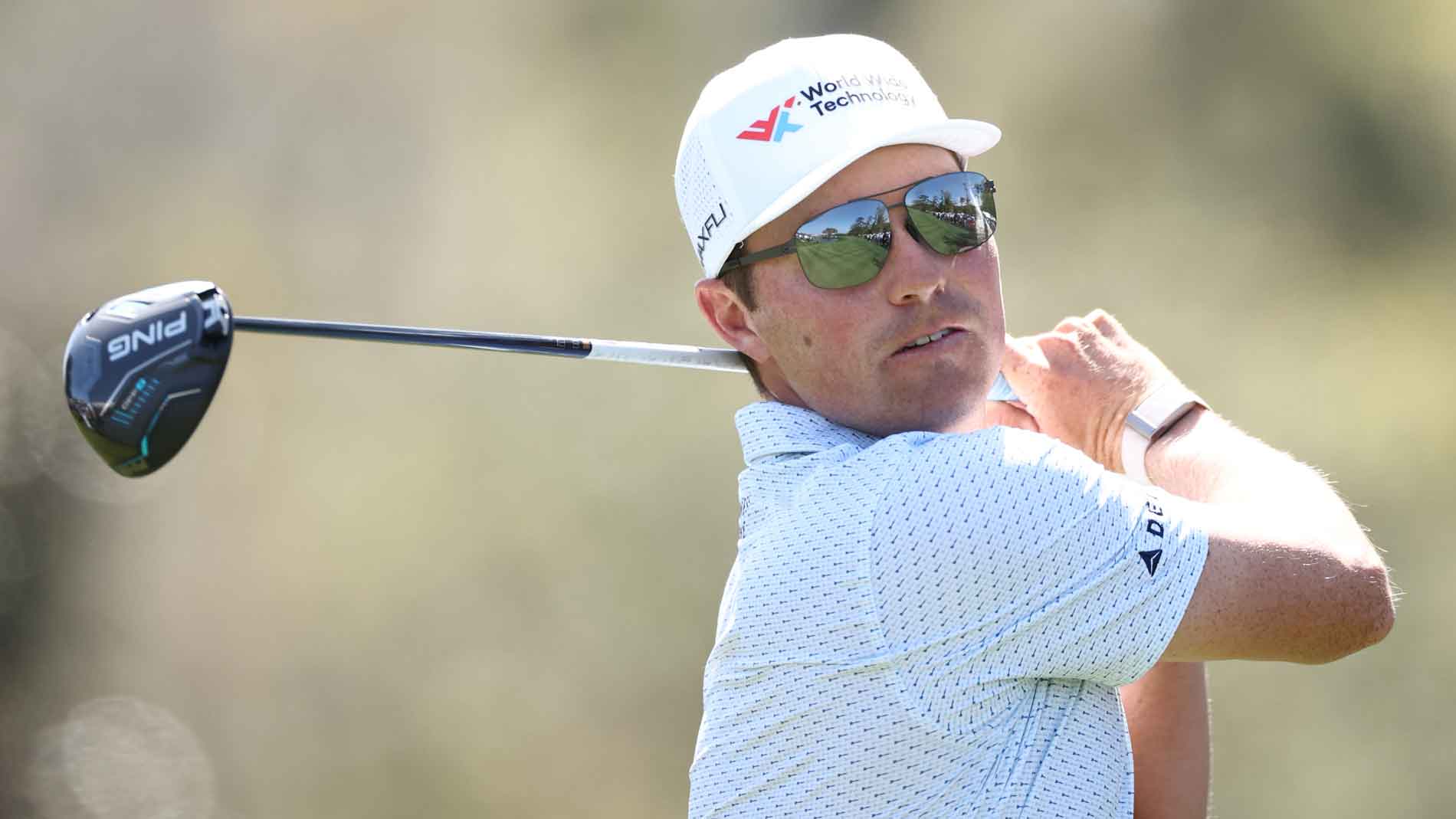
The piece highlights that many top players, particularly those without equipment contracts, are often still playing drivers that aren’t the absolute latest models. Even within the top 25, players like Justin Rose, Sepp Straka, and Maverick McNealy are using drivers released in 2024 and no longer available at retail. This isn’t a condemnation of new technology, but it speaks to the nuanced reality of performance gains.
“Much of the nitty-gritty fitting is done behind the scenes and, even after that process is complete, many pros will still hang on to their old gamers as infants do to their security blankets.”
My launch monitor data consistently shows that while each generation of drivers does offer incremental improvements, these gains are often in small percentages. We’re talking about an extra 1-2 mph ball speed, perhaps a few hundred RPMs less spin, and a slight uptick in MOI (Moment of Inertia) for better off-center forgiveness. For the average golfer, these marginal gains can be masked by swing inconsistencies or simply not justify the significant investment, especially if their current driver is already well-fitted.
However, for a Tour pro whose livelihood depends on every yard and every tight dispersion, even that 1% improvement can be the difference between a paycheque and a missed cut. What’s fascinating is how much work goes into finding that edge, even for “free agents” who have to actively seek testing opportunities.
The Eye-Opening Case of the “Free Agents”
The article really nails the hustle required for non-contracted pros:
“For this breed of pros, the testing process — often across several brands — requires more hustle and patience.”
This “hustle” is where the rubber meets the road. It’s not about brand loyalty; it’s purely about performance. Wyndham Clark’s journey, having played at least four different drivers in his first year of free agency, is a prime example. The fact that he (along with Lucas Glover and Harry Hall) settled on TaylorMade’s Qi4D after such extensive testing speaks volumes. Similarly, the Callaway Quantum seeing worldwide victories with Nacho Elvira and Anthony Kim highlights that these new-for-2026 models *are* delivering when dialed in.
From a technical standpoint, the Qi4D and Quantum are likely designed with slight tweaks to CG placement, face architecture, or potentially even aerodynamics that, for certain swing profiles, unlock that extra gear. The “D” in Qi4D likely denotes a draw bias or perhaps a higher launch variant, suggesting TaylorMade is still refining weight distribution for specific shot shapes and spin characteristics.
The Fujikura Tour rep Marshall Thompson’s comments really sum up the current competitive landscape in drivers:
“Heads are a close battle this year…There’s not one clear-cut winner from what I’ve seen.”
This is precisely what my data echoes. While there are always standout performers, the gap between the top manufacturers is incredibly small. We’re seeing excellent ball speeds, low spin, and high MOI across the board from all the major players. The “secret sauce” often comes down to the perfect interaction between head, shaft, and golfer. That’s why professional fittings are so critical, not just for pros, but for recreational golfers seeking genuine improvement.
What This Means for Your Bag
So, should you rush out and buy the latest 2026 driver? Not necessarily. Here’s my take:
- Don’t chase hype; chase data: If you’re currently gaming a driver from the last 2-3 years and it was properly fitted, chances are the performance gains from a new model might be incremental. However, if your driver is 5+ years old, or was never fitted, you’re almost certainly leaving yards and accuracy on the table. Modern drivers typically offer 2-4 mph more ball speed and significantly better forgiveness (higher MOI) compared to their older counterparts.
- The power of fitting: The article underscores that pros, even free agents, are constantly testing and optimizing. This is your cue. A new driver, even a fantastic one, is only as good as its fit. I’ve seen countless golfers add 10-20 yards and tighten dispersion dramatically simply by getting into the right shaft, loft, and face angle for their swing.
- Emotional vs. Performance: Be honest about your “security blanket” clubs. While trust is important, quantified performance gains via launch monitor data should be your ultimate guide. If your current gamer is holding you back, it’s time to test.
For mid-to-high handicappers, the forgiveness factor (high MOI, especially heel-toe forgiveness) is often more valuable than chasing marginal ball speed gains that only come on perfect strikes. Lower handicap golfers, those with consistent swings, can often benefit more from advanced adjustability to fine-tune launch, spin, and shot shape.
My first winter in Boston has indeed been rough, and like the author, I’ve been daydreaming of getting back out. The snow is melting, the ranges are opening, and as you consider freshening up your bag, remember: the pros’ driver choices aren’t just about the glossy new models. They’re about relentless testing, precise fitting, and ultimately, finding the quantifiable edge. Do yourself a favor and do the same.
