

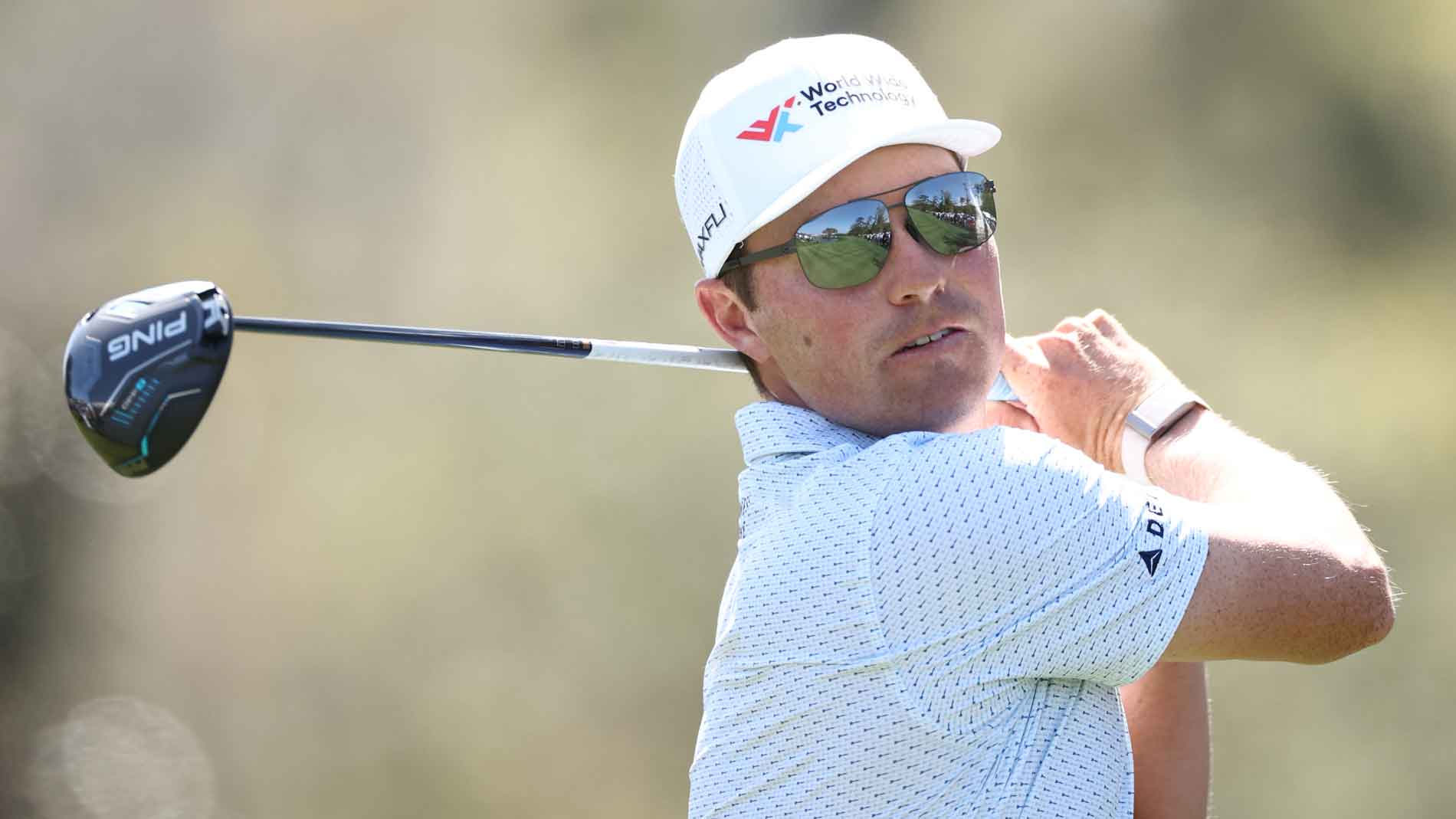

As the Lifestyle Editor here at The Daily Duffer, my inbox is constantly buzzing with the latest in golf gear, trends, and breakthroughs. I’m always looking for that sweet spot where innovation meets the human experience – because let’s be honest, golf is so much more than just a game; it’s a way of life. And lately, a fascinating conversation has been swirling around the golf world, one that perfectly blends the technical with the emotional: the evolving relationship between pro golfers and their drivers.
You might think that for top-tier players, switching to the newest, shiniest driver is a no-brainer. New year, new club, right? Not so fast. It turns out, even at the highest levels, there’s a deeply human element to club selection that we can all relate to – trust, comfort, and a touch of the familiar.
When golf-equipment manufacturers release drivers at the beginning of the year, most staff pros transition into their respective brand’s new clubs — but not without some work.
Much of the nitty-gritty fitting is done behind the scenes and, even after that process is complete, many pros will still hang on to their old gamers as infants do to their security blankets. That’s because while players might see performance gains in new offerings, they still have an emotional attachment to and deep trust in their old clubs gained from thousands of competitive reps.
The “Security Blanket” Driver: More Than Just Metal
I found myself nodding vigorously when reading about pros holding onto their “old gamers as infants do to their security blankets.” How relatable is that? 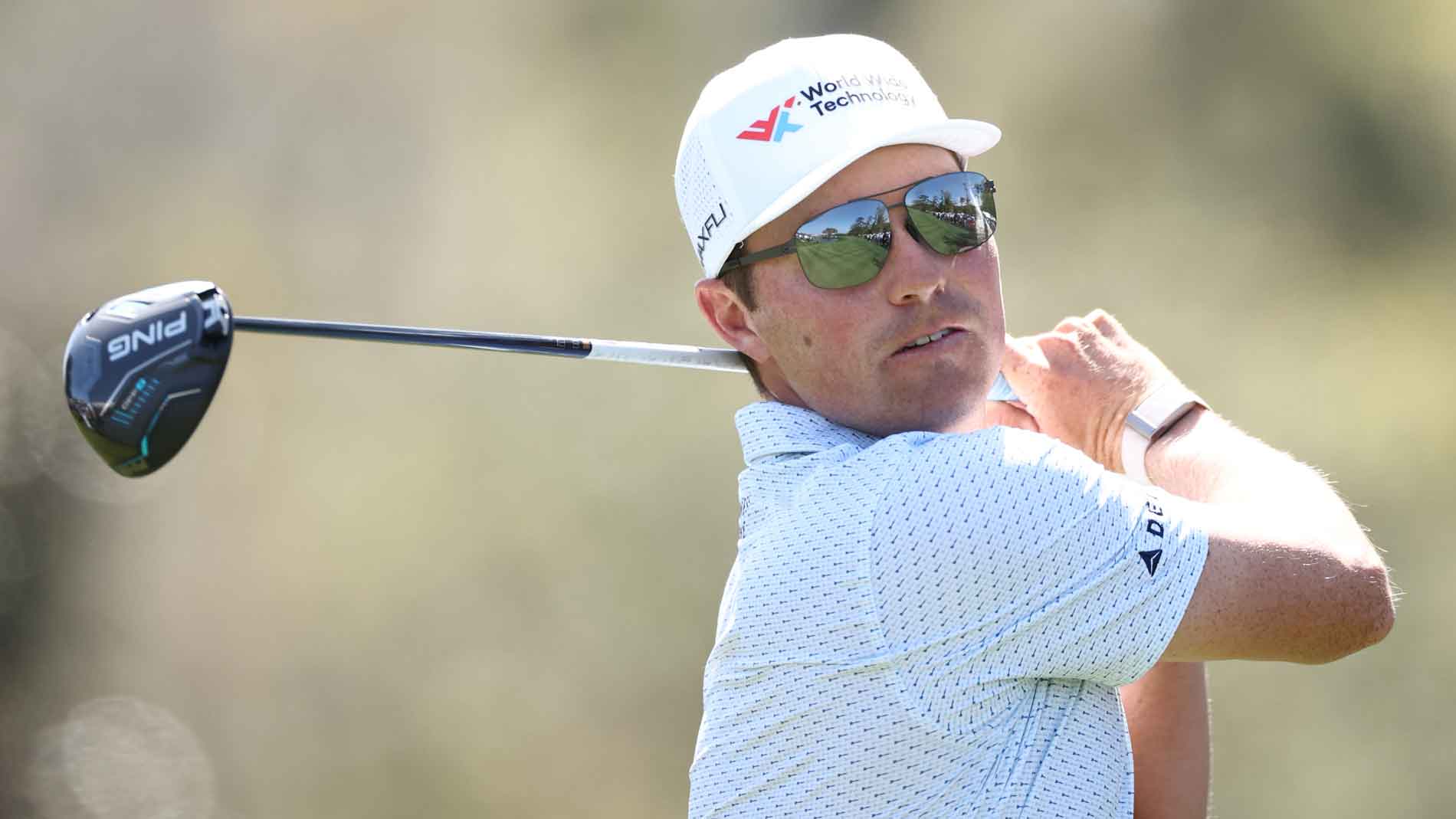
While we weekend warriors might not have “thousands of competitive reps” under our belts, we certainly know what it feels like to have *that* club. The one that feels just right in our hands, the one that’s bailed us out of trouble countless times, the one we instinctively reach for when the pressure is on.
This isn’t just about statistics or launch angles; it’s about confidence. It’s about that feeling of knowing what to expect when you step up to the tee. For us, that might mean clinging to a beloved seven-iron, for the pros, it’s often their driver – the club that sets the tone for the entire hole. The emotional connection isn’t just a quirk; it’s a psychological advantage built on shared history with that piece of equipment.
“That’s because while players might see performance gains in new offerings, they still have an emotional attachment to and deep trust in their old clubs gained from thousands of competitive reps.”
The Hustle of the “Free Agent” Golfer
Now, while many pros have official gear deals, there’s a fascinating segment of the tour known as “equipment free agents.” These players don’t have sponsors dictating their bag setup, which you might think offers ultimate freedom. And it does, but with a side of hustle!
“For this breed of pros, the testing process — often across several brands — requires more hustle and patience.”
This really got me thinking about our own golf journeys. How often do we just grab whatever’s on sale or what our buddy recommends, without truly putting in the “hustle and patience” to find what’s best for *our* swing and *our* game? These free agents are essentially conducting a meticulous personal R&D project, trying out various brands and models to find that perfect fit for optimal performance. It’s a reminder that personalized fitting and thoughtful selection aren’t just for the pros; they’re valuable steps for any golfer looking to elevate their game and, frankly, enjoy their rounds more.
It’s interesting to note that even among the top 25 players without gear deals, several are still relying on drivers that aren’t the absolute latest models. For instance, Justin Rose and Sepp Straka are still gaming Callaway Paradym Ai Smoke TD Max drivers from 2024, and Maverick McNealy with his TaylorMade Qi10 from the same year. Ben Griffin is an outlier, with a 2026 Ping G440K. This shows that the pursuit of marginal gains doesn’t always trump proven performance and comfort.
The Endless Pursuit of the “Right Fit”
What I find particularly fascinating is the journey many free agents take, often sampling multiple drivers throughout a season. Wyndham Clark, for instance, has rotated through at least four different drivers this year. Lucas Glover, despite being a Srixon staffer, has also experimented with various brands. This isn’t indecision; it’s a testament to the belief that the “right” driver is out there, and it’s worth searching for.
Tour reps confirm this ongoing dynamic:
“Heads are a close battle this year,” Fujikura Tour rep Marshall Thompson told GOLF. “It’s very competitive in terms of club speed, dispersion, center-face contact, start direction. There’s not one clear-cut winner from what I’ve seen. Even on the Tour side of it, these non-contract guys that I continue to work with on a weekly basis, they still have four or five headcovers in the bag and they’re still trying different options, and we’re already to the Florida Swing.”
This “close battle” on the tour translates directly to us. It means there’s no single “magic bullet” driver; it’s about what works for *you*. It underscores the importance of trying different brands, visiting a reputable fitter, and not just settling for the first thing you hit well. The technology today is incredible across the board, but finding your specific advantage often involves patience and openness to experimentation.
What This Means for Your Game
So, as a lifestyle-savvy golfer, what can you take away from these insights from the pro tour?
- Don’t Rush the Upgrade: If your current driver (or any club, really) is performing well and you trust it implicitly, there’s no absolute need to chase the latest model every single year. Comfort and confidence are powerful assets.
- Embrace the “Testing Process”: When you *are* ready for new equipment, approach it like a free agent. Don’t be afraid to try multiple brands and models. Work with a good fitter who encourages this exploration, focusing on your numbers (club speed, dispersion, launch, spin) and, just as importantly, how the club feels.
- Emotional Connection Matters: Acknowledge that gut feeling. If a club just *feels* right, that’s valuable data point. Golf is as much mental as it is physical.
- Stay Curious: Technology *does* evolve. While you don’t need to switch annually, staying aware of new innovations can open doors to real performance improvements down the line.
Spring is Here: Get Ready to Play!
On a slightly different note, but very much in the spirit of golf as a lifestyle, I couldn’t help but smile reading about the anticipation for spring golf. My first winter in Boston has indeed been rough, and the feeling of golf season finally “within reach” is palpable. The snow melting, driving ranges opening – it’s a universal joy for golfers everywhere, isn’t it? That first whiff of freshly cut grass, the thwack of a well-struck ball after months away… it’s pure bliss.
In other news, I’ve been daydreaming about Titleist’s GT1 hybrid ever since Cameron Young won the Players with it. And it seems like a great time for anyone looking for a new putter, with several prototypes hitting the consumer market this week, including the L.A.B. Link 2.1 and Link 2.2 HS. As we step into spring, it’s the perfect time to not only dust off the old clubs but perhaps to thoughtfully consider an upgrade, armed with the wisdom of the pros and a renewed sense of excitement for the game.
Opening day is coming, and I, for one, am ready!
