

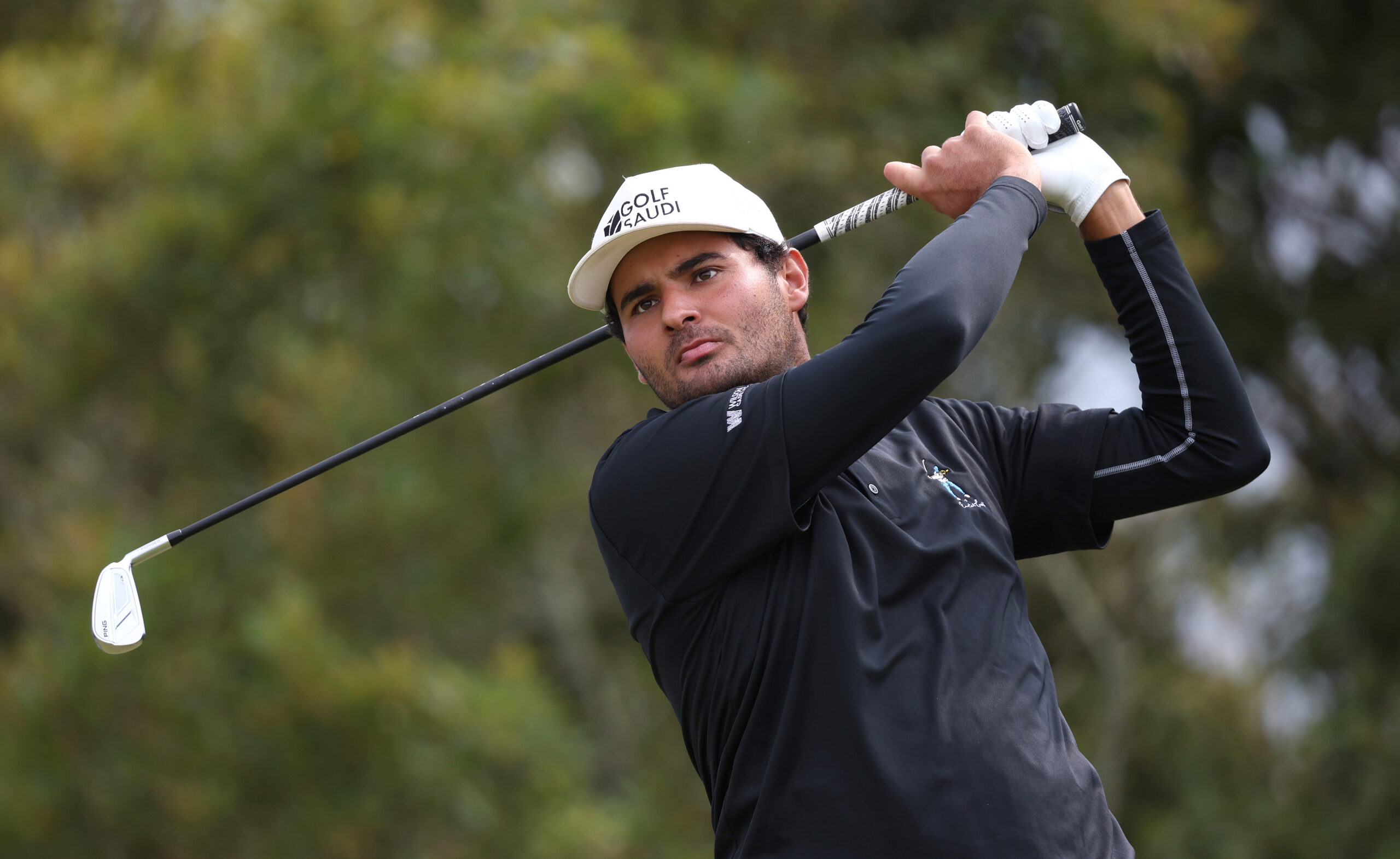

The Mental Health Reckoning Tour Golf Needs to See
Eugenio Chacarra’s decision to withdraw from the Kenya Open and take a mental health break marks something we don’t see nearly enough of in professional golf: brutal honesty about the psychological toll this game extracts. After 35 years covering this tour—and having walked 18 holes with some of the toughest competitors alive—I can tell you that what Chacarra just did took more guts than most 65s shot under major championship pressure.
What strikes me about his Instagram statement is the clarity and maturity behind it. Here’s a 27-year-old with tournament wins, legitimate talent, and a fresh start on the DP World Tour, and he’s essentially saying: “I need to stop and take care of my mind.” In my experience, that’s not something young golfers—particularly Spaniards with the competitive fire running through their veins—typically advertise to the world.
The Grind Nobody Talks About
Let’s start with the numbers, because they tell a stark story. Chacarra has played 27 tournaments in less than nine months while missing the cut in nine of them. That’s a 33-percent miss rate. For context, that’s the kind of stretch that can absolutely wreck a player’s confidence, especially when you’re chasing status, ranking points, and the validation that comes with competing at the highest levels of the game.
I’ve caddied and covered enough tours to know that the mental gymnastics required to stay sharp through that kind of run is immense. You’re traveling constantly, living out of hotel rooms, dealing with jet lag across continents, and all the while processing the reality that you’re not performing. The physical exhaustion is one thing. The mental toll? That’s the silent killer.
Chacarra himself articulated this perfectly in his statement:
“After a lot of reflection and many conversations with my team, I’ve made the difficult decision to withdraw from the Kenya Open. This hasn’t been easy to accept. Lately, the biggest challenge hasn’t been physical – it’s been mental.”
That line right there—that’s someone who understands themselves. Too many players try to grind through it, thinking toughness means ignoring red flags.
The LIV to DP World Tour Transition
What makes Chacarra’s journey particularly relevant is the context of his move from LIV Golf back to the DP World Tour—a decision he was refreshingly candid about last year.
“I see what it’s like to win on the PGA Tour and how your life changes. How you get Major access and ranking points. On LIV, nothing changes, there is only money. It doesn’t matter if you finish 30th or first, only money. I’m not a guy who wants more money.”
That took courage too. Not many players openly criticize the circuit that paid them handsomely. But Chacarra wanted what most professional golfers actually want: the chance to compete for majors, to earn ranking points, to validate himself against the world’s best on traditional tours. He got his wish with a Hero Indian Open victory in 2024 and secured DP World Tour status.
Here’s where I think the pressure intensified. When you make that kind of statement—when you publicly explain why you’re leaving a lucrative deal—you’re putting yourself under a microscope. The expectations become self-imposed and external simultaneously. Win or be viewed as someone who made a mistake. Win or validate every critic who doubted your decision.
A Promising Start, Then Reality
To be fair, Chacarra’s early 2025 season suggested momentum: a T3 at the Alfred Dunhill Championship, a T25 in Mauritius, and a T15 at the Dubai Invitational. Those aren’t world-beater finishes, but they’re solid, they show improvement, and they suggest a player starting to find his footing.
But finding your footing after playing 27 tournaments in nine months while missing the cut repeatedly? That’s mentally exhausting even when you’re posting top-25 finishes. I’ve watched this happen before with younger players who arrive on tour with talent and hunger but eventually hit a wall they didn’t anticipate. The psychological component—the self-doubt, the questions about whether you belong—that accumulates in ways that range statistics never capture.
What This Really Means
Here’s what I think matters most: Chacarra’s decision to step back and address his mental health should be normalized, not treated as a curiosity or weakness.
“I believe in being honest about the ups and downs, and right now I need time to reset, heal, and take care of my mind so I can come back stronger, healthier, and truly ready to compete. It hurts to step away from competing that’s what I most love, but sometimes the strongest thing you can do is listen to yourself.”
That’s the statement of someone with perspective. In my three decades around professional golf, I’ve seen far too many talented players burn out, quit suddenly, or spiral quietly because they couldn’t articulate what Chacarra just articulated. The tour culture—at least the old guard culture I grew up around—didn’t really accommodate mental health discussions. You toughed it out. You went to therapy quietly, if at all.
Chacarra’s assurance that he’ll return “soon” suggests this isn’t a retirement, just a reset. And that’s probably the healthiest thing he could do right now. Better to take three weeks or three months and come back mentally recharged than to play another 27 tournaments in nine months while his confidence continues eroding.
The tour’s talent pipeline is deep enough that we’ll keep discovering players with Chacarra’s gifts. But creating a culture where those players can admit they need help without it becoming a referendum on their toughness? That’s the real victory we should be cheering.
