


Hello, Daily Duffer readers! Sarah Chen here, your golf instruction editor. As a PGA-certified instructor with over 15 years of experience, I’ve had the privilege of working with golfers at every level, from weekend enthusiasts to tour professionals. One thing I’ve learned is that the drive for improvement is universal, and with the right approach, anyone can elevate their game.
Today, I want to talk about something that often gets overlooked by amateur golfers, but which professionals like Aldrich Potgieter are constantly optimizing: your equipment. We often think of the golf swing as purely physical, but the tools in your hand play a monumental role in your performance, especially when it comes to maximizing distance and consistency.
Recently, Aldrich Potgieter, already a standout on the PGA Tour with impressive driving distance and ball speed, decided to explore changes to his driver and putter setup. This isn’t just about chasing more yards; it’s about finding an optimal blend of distance, accuracy, and crucially, forgiveness.
The Driver: More Than Just Speed
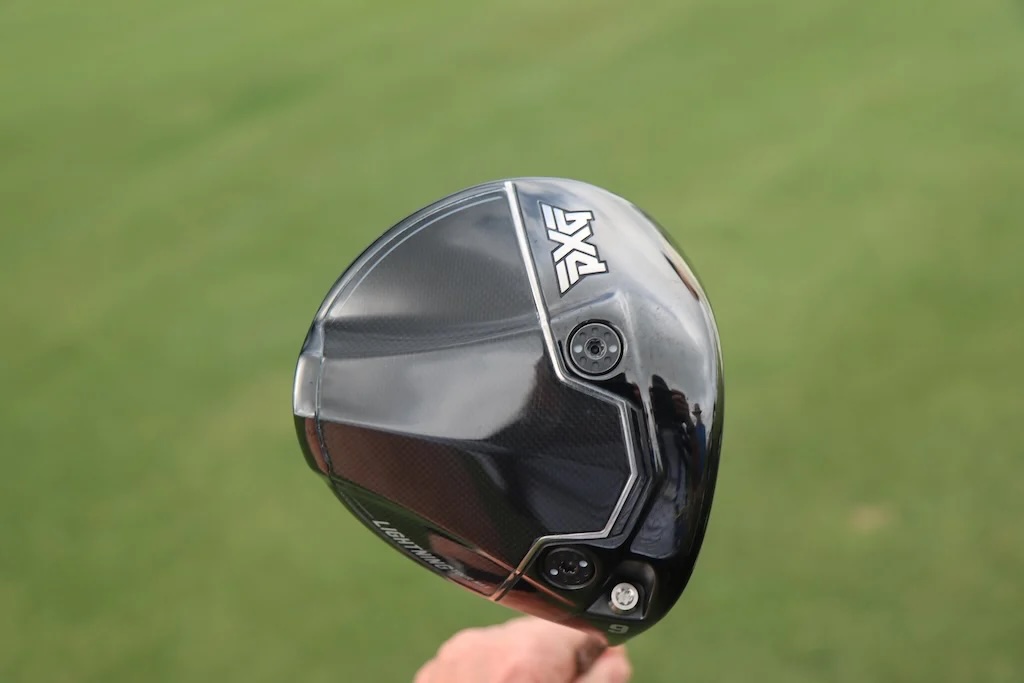
Potgieter is currently second on the PGA Tour in both driving distance and ball speed. So, why change? The answer lies in the pursuit of perfection – squeezing out every possible advantage. He moved from his PXG Lightning Tour head to an unreleased Tour Max prototype and swapped his Fujikura Ventus 7 X VeloCore shaft for the new Fujikura Ventus TR 7 X VeloCore+.
“I hit it yesterday for the first time and it’s really good,” Potgieter said in Houston. “Picked up probably about 2 or 3 miles an hour ball speed, which is huge. So we’ll hopefully keep that out on the course. But no, it’s looking good.”
Imagine gaining 2-3 mph of ball speed with just an equipment change! For a professional, that translates into crucial extra yards. But it’s not just about raw speed. Potgieter emphasized something even more valuable for us everyday golfers: forgiveness.

“I feel like some of the miss-strikes are straightening up, I think it has a bit more bulge and rolls as well,” Potgieter said. “So yeah, we’re definitely looking forward to it. It’s been great on the range, so this is a big driving week for us as well on the golf course. So if we can hit a lot more fairways, it’ll be good.”
Bulge and roll are design features on the clubface that help counteract off-center strikes, minimizing hooks and slices. When combined with a stable shaft, this translates directly to more balls in the fairway for you, even on less-than-perfect swings. This is the definition of forgiveness, and it’s a game-changer for consistency.

Actionable Drills for Your Driver:
Even if you’re not getting a new driver today, you can assess your current setup and swing to improve your driving.
Try this: The “Sweet Spot Challenge”
Take some impact tape or foot spray (yes, the kind for athletes’ feet!) and lightly spray the face of your driver. Hit 10-15 balls on the range, making a conscious effort to swing smoothly and freely. After each shot, check the clubface. Are your impacts consistently near the center? If they’re scattered, it tells us that forgiveness is paramount for your game. If they’re mostly centered, you might be able to chase a little more distance.
Here’s a drill: The “Shaft Load & Release”
This drill helps you feel how your shaft works and how to optimize conditions for impact. Grip your driver normally. Make a half-swing back, feeling a slight “load” or bend in the shaft. As you start down, focus on allowing the clubhead to lag naturally behind your hands before releasing through impact. The goal is to feel the shaft unload powerfully into the ball. This teaches you to use the shaft’s potential for speed, not just muscle. Pay attention to the sound and feel – a solid, clean strike indicates a well-timed release.
The Putter: Consistency Rules the Green
Potgieter also made a significant change to his putter, moving from a blade-style putter (like his previous Scotty Cameron 009M Tour Prototype) to a TaylorMade Spider Tour X mallet. This switch highlights the universal truth of putting: consistency is king.

“I’ve been on the blade run for a little bit and I feel like when I’m playing really good, the blade’s probably the best thing, but when you’re off a little bit and there’s a couple of things that I’m working on and just when you have a little bit of mis-strike or something with that blade, your consistency just drops off,” Potgieter said. “So we went to the Spider this week and we’ve seen distance control and stuff like that. It’s been a lot better and so we’ll give that a go and it’s nice to experiment with some stuff.”
Blade putters offer incredible feel but demand near-perfect contact. Mallet putters, with their higher Moment of Inertia (MOI), are designed to be more stable on off-center strikes. This means putts that aren’t perfectly struck still roll out on line and with consistent speed. As Potgieter states, this dramatically improves distance control, which is the cornerstone of great putting.

Actionable Drills for Your Putter:
Try this: The “Gate Drill”
On a flat putting green, set up two tees slightly wider than your putter head, creating a “gate” about 6 inches in front of your ball. The goal is to stroke the putt through the gate without touching either tee. This drill provides immediate feedback on your club path and ensures a square face at impact. If you’re consistently hitting the tees, it’s a sign your stroke might be too manipulative. Focus on a smooth, pendulum motion.
Here’s a drill: “Ladder Drill for Distance Control”
This is a fantastic drill for improving your feel for speed. On the practice green, place several tees at increasing distances – say, 3, 6, 9, and 12 feet. Start with the closest tee and work your way back. The goal is to stop each putt just past the tee, without going more than a foot beyond. This helps you calibrate your stroke length to specific distances and builds confidence in your touch. Professionals spend countless hours doing similar drills, and it pays dividends on the course.
The Takeaway for Your Game
What can we learn from Aldrich Potgieter’s conscious equipment evaluation? It’s that your clubs are an extension of your swing. Even if you’re not on the PGA Tour, taking time to assess your equipment can dramatically improve your consistency and enjoyment of the game. Forgiveness, especially in the driver and putter, is not a crutch; it’s a performance enhancer. Don’t be afraid to experiment, get fitted, and try new approaches. Just like Aldrich, you might find that seemingly small adjustments lead to huge gains on the course!
Keep practicing those drills, and remember, every swing and every putt is an opportunity to get better. I believe in you!
