


Mastering the Art of Putting: Key Techniques for Success at the Ryder Cup
Putting remains a pivotal aspect of golf, especially in high-stakes tournaments like the Ryder Cup. A well-executed putt can drastically change the momentum of a match, as seen with Justin Leonard’s iconic putt on the par-4 17th hole at Brookline in the 1999 Ryder Cup. With so much pressure on players to deliver with the flatstick, it’s essential for golfers to refine their putting skills ahead of major competitions. This article explores key techniques that can enhance your putting game and elevate your performance on the green.
The Importance of Putting in the Ryder Cup
In Ryder Cup history, putting has consistently been a game-changer. The ability to sink crucial putts not only shifts momentum but also energizes teammates and excites spectators. As players prepare for each event, the focus on putting intensifies. With so much at stake, honing this skill through practiced routines becomes vital.
Tips to Perfect Your Putting Routine
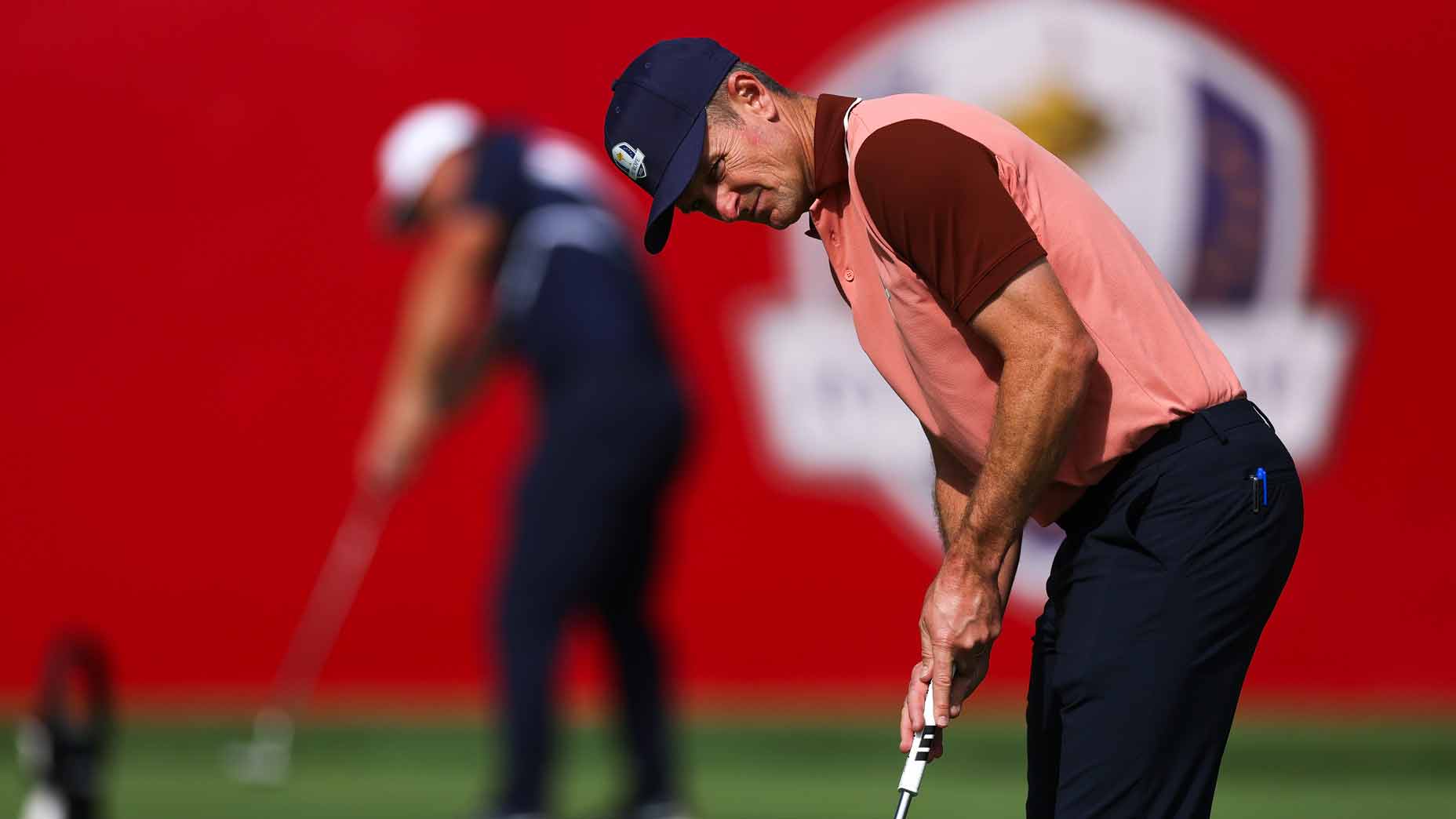
One player whose putting practice has drawn attention is Justin Rose. During a recent practice round, he showcased techniques that can be beneficial for golfers of all skill levels. By paying attention to Rose’s methods, golfers can gain insights into how to enhance their putting routines effectively, setting the stage for improved performance in critical moments.
Visualization: A Powerful Tool for Success
Visualization is an essential technique that elite golfers have employed for years, yet it remains underutilized by many amateurs. This skill allows players to "see" the intended path of the ball before striking it. By picturing the line and speed of the putt, players, like Rose, can step up to the ball with confidence, knowing they have chosen the right approach. Incorporating visualization into your pre-shot routine can alleviate nerves and bolster commitment, especially when faced with pressure putts.
The Gate Drill: Focusing on Start Line
A proven method for ensuring your putts start on the correct line is the gate drill. This simple yet effective technique provides immediate feedback, allowing players to assess their alignment and face angle at impact. By setting up two tees or a gate device a few feet in front of your ball, you can quickly determine if your putts are staying on track. Regular practice with this drill will help build consistency and skill in starting your putts accurately.
Creating Reference Points for Effective Practice
Another takeaway from Rose’s preparation is the importance of establishing reference points. These points serve as benchmarks for golfers, enabling them to adjust more quickly to varying green conditions. Utilizing tools like the TempoStik for tempo and rhythm, along with strategically placed tees to define swing limits, helps golfers calibrate their strokes and enhance speed control. By structuring practice sessions with reference points, players can transition seamlessly between different putting environments.
Training Aids: Enhancing Your Putting Game
Modern training aids have revolutionized the way golfers practice putting. Utilizing tools designed for instant feedback, such as the Short Game Gains Tour Toolkit, can streamline the learning process. This toolkit helps golfers develop a consistent stroke path while enhancing aim and start line control. By integrating these aids into your practice, you can make the learning process more engaging and productive.
Lowering Anxiety Through Practice
The mental aspect of putting cannot be overlooked. One critical factor in achieving success under pressure is reducing anxiety. By establishing a comprehensive practice routine that includes visualization, drills, and the use of training aids, golfers can build confidence on the green. Knowing that you’ve prepared thoroughly helps to alleviate stress when it matters most during tournaments such as the Ryder Cup.
Importance of Rhythm and Tempo in Putting
Just like any other aspect of golf, putting requires rhythm and tempo. Consistency in these elements allows golfers to develop a more reliable stroke. By focusing on the smooth flow of their putting motion, players can improve accuracy and distance control. Training aids that provide visual and auditory feedback can assist in solidifying an effective rhythm, ensuring golfers stay in sync with their strokes.
The Role of Routine in Putting Success
Establishing a dedicated putting routine is crucial for mastering the greens. A pre-shot routine that incorporates visualization, drills, and mental preparation can enhance performance and consistency. This structure not only grounds players during practice but also leads to better execution during actual play. Players who specific about their routines often experience heightened confidence and improved outcomes.
Conclusion: Elevating Your Game for the Ryder Cup and Beyond
As players gear up for the Ryder Cup, focusing on putting skills can significantly influence their performance. Techniques such as visualization, the gate drill, utilizing reference points, and modern training aids can help golfers refine their abilities. More than just mechanical adjustments, the psychological elements of routine and confidence also play a pivotal role. By prioritizing these strategies in your practice, you can improve your putting game and emulate the success of professionals like Justin Rose. Whether you’re on the brink of competition or simply looking to lower your scores, mastering the art of putting is essential for every golfer.
