
L.A.B. Golf’s Missing LINKS: When “Normal” is a Game Changer
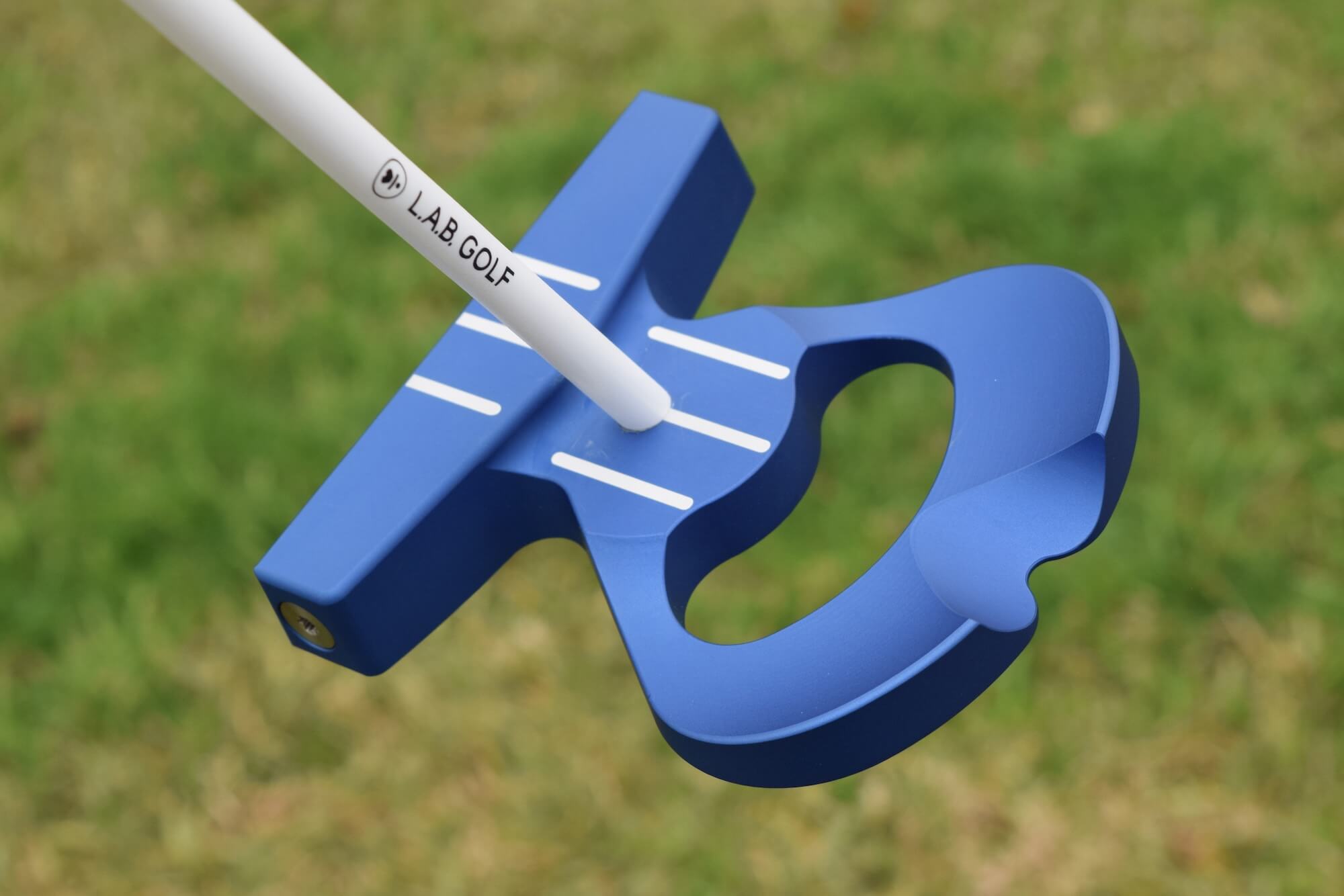
For years, L.A.B. Golf has been the poster child for function over form. Their Directed Force putters, while undeniably effective for many, looked like something plucked from a mad scientist’s lab. As a club fitter who’s logged countless hours on the launch monitor, I’ve seen firsthand the jaw-dropping stability of L.A.B.’s Lie Angle Balance technology. Yet, I’ve also seen the immediate, visceral reaction from golfers who, upon first glance, recoiled and said, “There’s no way I’m putting with *that*.”
This is precisely why today’s announcement from L.A.B. Golf, introducing the new LINK2.1 and LINK2.2 blade putters, is such a big deal. They’re effectively addressing the elephant in the room: aesthetics. And frankly, it’s about time. Founder Sam Hahn himself acknowledges this delicate balance:
“Putters are SUCH a personal thing. Everyone prioritizes different aspects of a putter design differently. While our technology was in its adolescence, our designs were constrained by certain realities around size and shaft location, but our R&D team has been adamant that we need to have something in our lineup for everyone.”
That subtext, as noted in the source article, is spot on. For years, “constrained by certain realities” meant “the putters had to look like that for the technology to work.” The original Directed Force putters, despite their incredible stability and impact consistency, were a tough sell visually. My launch monitor data, especially on off-center strikes, consistently showed how effectively Lie Angle Balance minimized face rotation. We’re talking about significantly tighter dispersion patterns and more consistent ball speeds across the face than many traditional blades or even some mallets. But getting golfers to even *try* them was the challenge when they were focused solely on the “airplane propeller” look.
The original LINK.1 was a step in the right direction, a “gateway drug” putter for those curious about L.A.B. but not ready for the full-blown alien spacecraft. It was closer to a traditional blade, but still had a few tells. I called it a compromise, still a bit peculiar. However, these new LINK2.1 and LINK2.2 models? These are different. These are genuinely *normal* looking putters, and that’s not a criticism; it’s a monumental achievement for L.A.B. Golf.
The Breakthrough: A Heel-Shafted Hosel Changes Everything
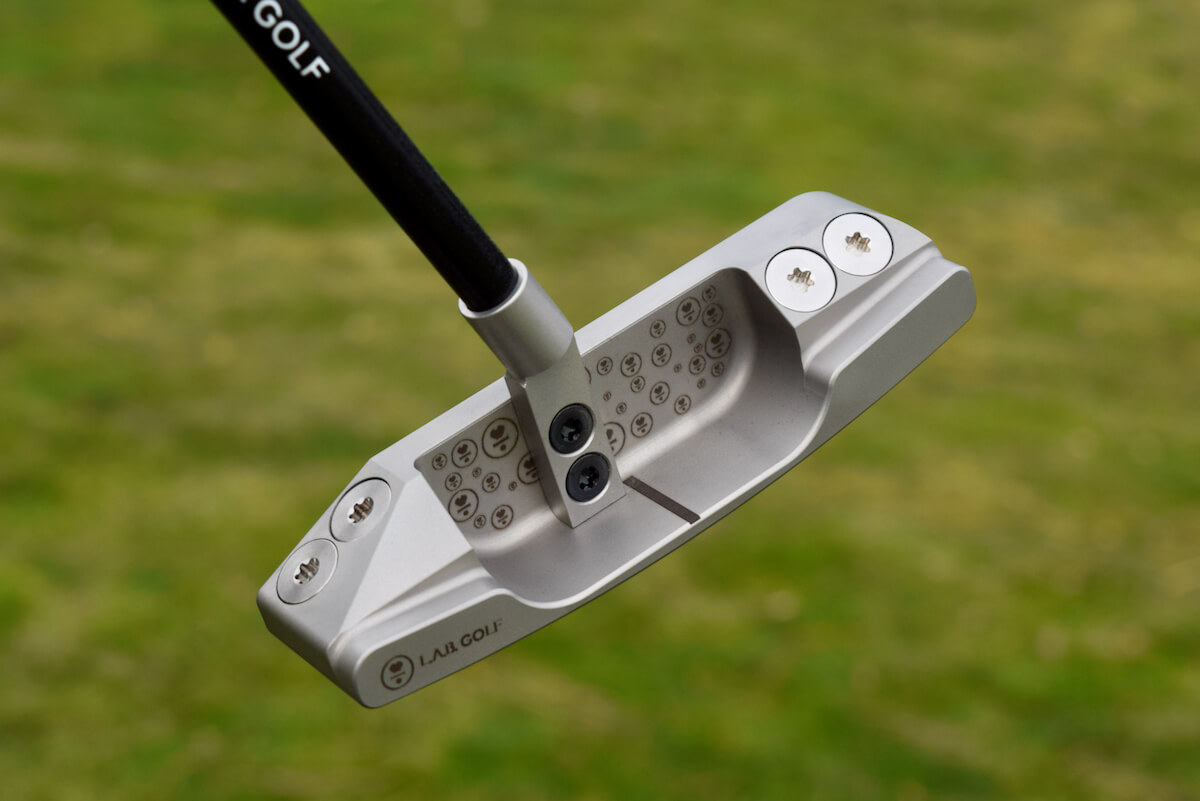
The real secret sauce enabling this aesthetic shift is the heel-shafted hosel, which L.A.B. first introduced with the OZ.1 HS. This innovation is critical because it liberates the Lie Angle Balance technology from the necessity of a center-shafted design. Previously, achieving precise lie angle balancing meant drilling a specific shaft insertion hole into each head. This made custom fitting a labor-intensive process and virtually eliminated any aftermarket adjustability.
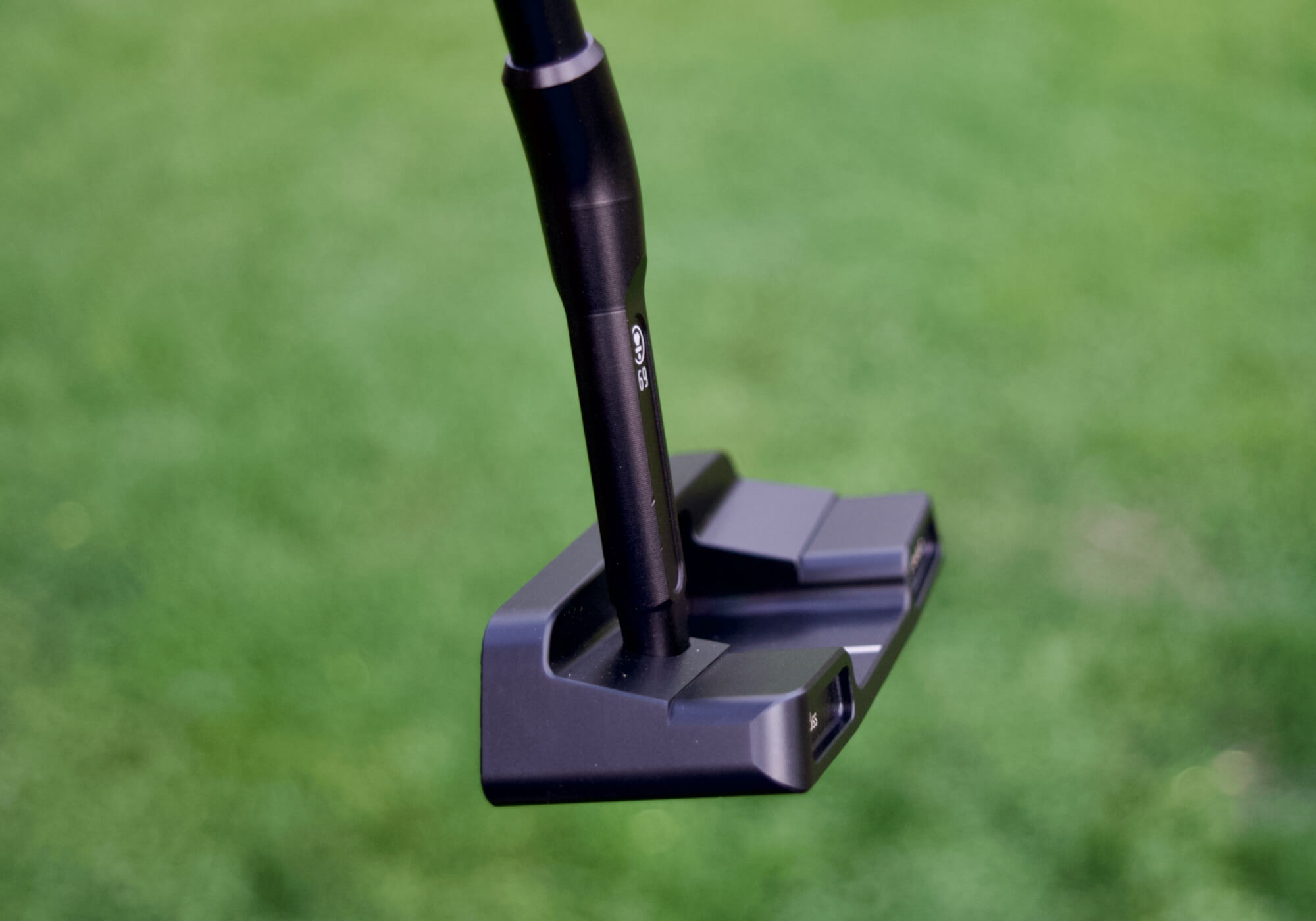
Think about it: in my fitting bay, we often dial in lie angle to the degree to manage face aim at impact. Before, if a golfer’s ideal lie was 72 degrees, L.A.B. manufactured a head specifically for that. This new hosel approach is a game-changer for production and, dare I say, for the consumer. Lie angle is now determined by the hosel length. Need a flatter lie? A shorter hosel. More upright? A longer one. The head itself remains consistent. While you still can’t just slap it on a bending machine like a traditional plumber’s neck
because re-balancing is required, the ability to swap hosels for a new lie angle opens up possibilities for future adjustments and potentially even a secondary market.
This streamlined manufacturing process should translate to faster delivery times, a welcome change given L.A.B.’s custom-build nature. It also signals a maturity in their design philosophy, showing they can integrate their core technology into more conventional packages.
“The new L.A.B. Golf LINK2.1 and LINK2.2 putters feature the heel-shafted hosel we first saw last summer with the OZ.1 HS. This allowed L.A.B. Golf to eliminate the constrained reality of requiring a center-shafted build for the Lie Angle Balance technology to work.”
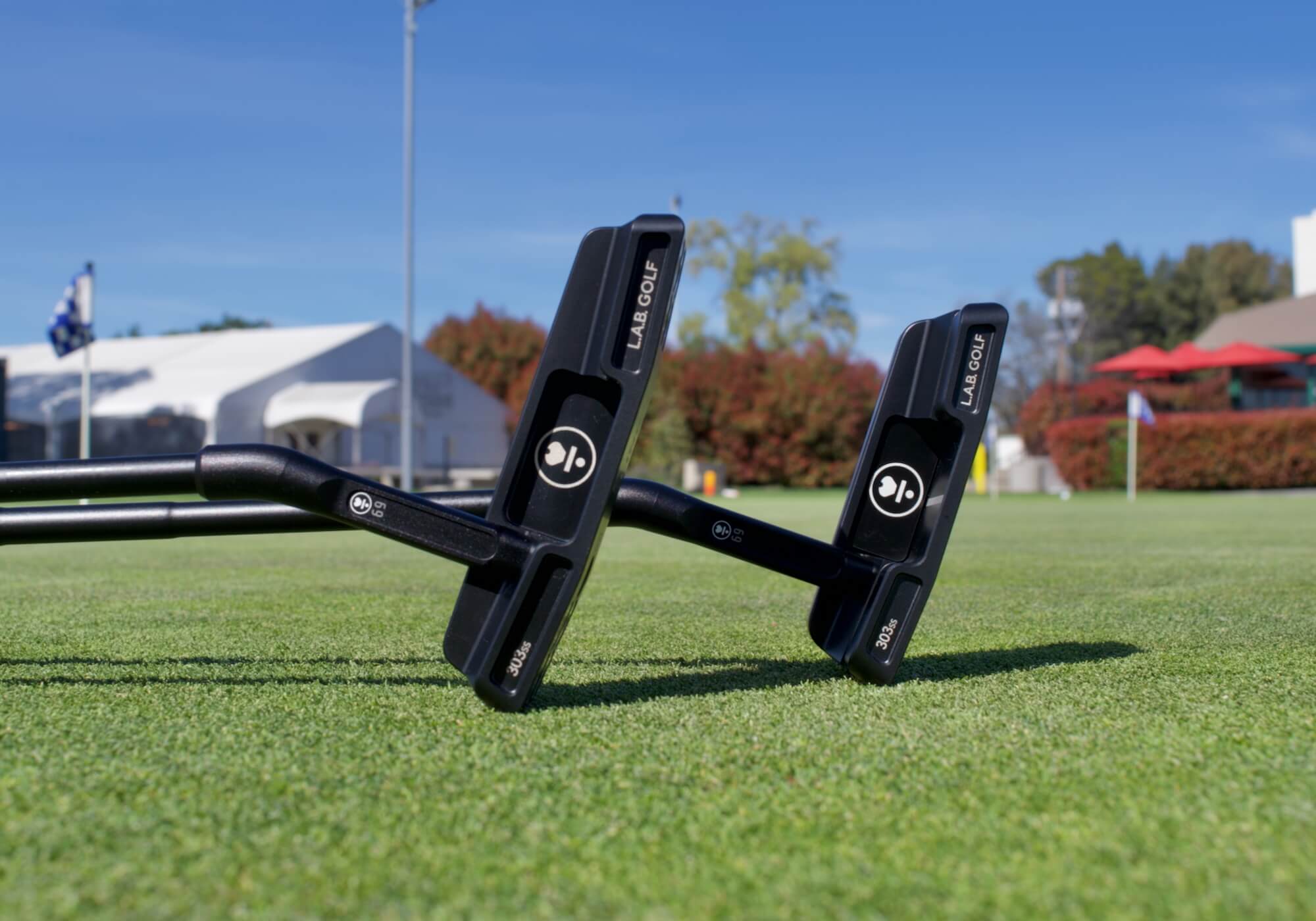
Digging into the LINK2.1 and LINK2.2
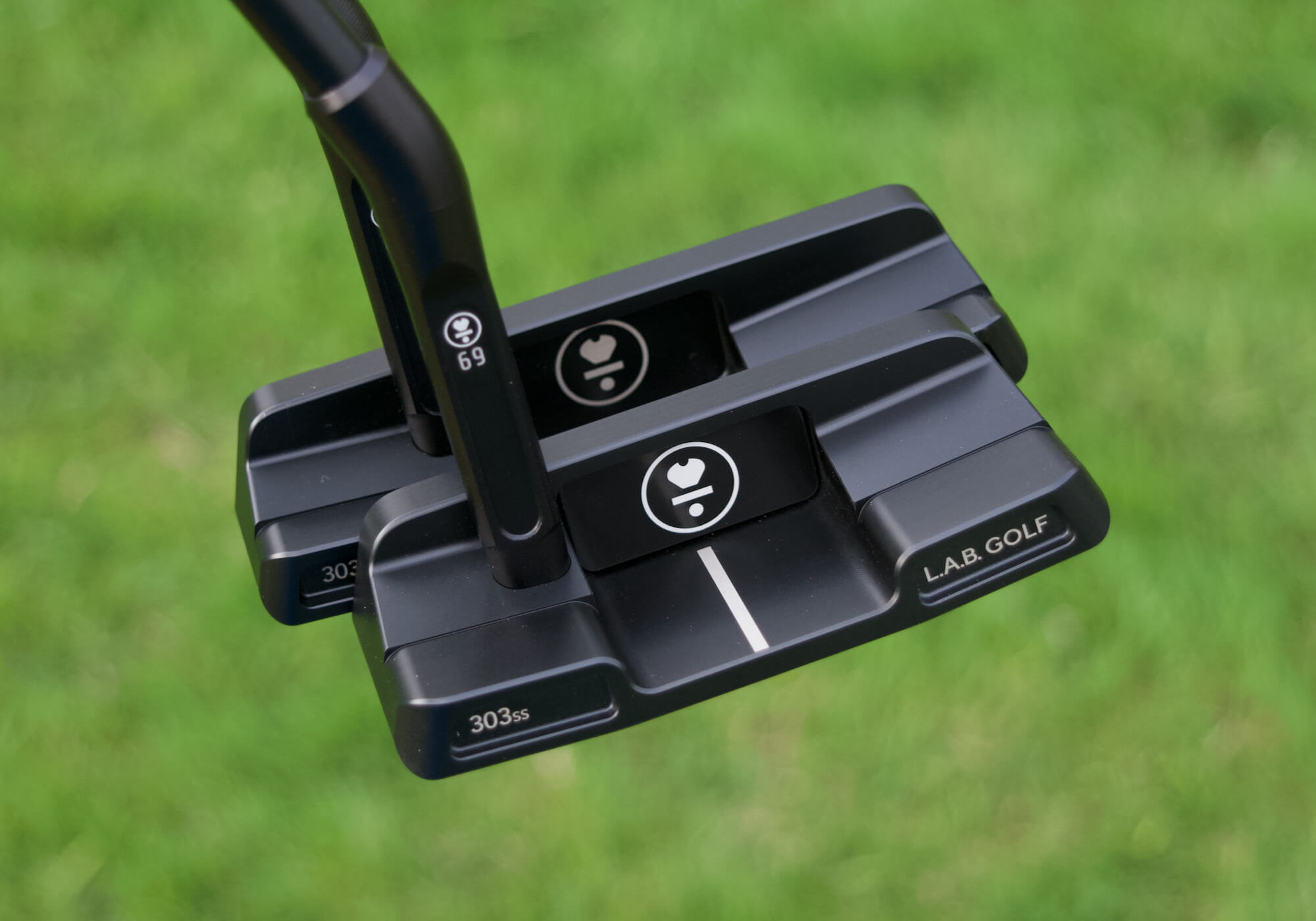
Both new models are milled from 303 stainless steel, a premium material common in high-end putters, and feature deep-milled faces. This deep milling isn’t just for looks; it significantly impacts feel and sound. In my experience, deeper milling tends to soften impact, offering a more muted, pleasing tone compared to a raw milled face, which can sometimes feel a bit crisp or “clacky.” This subtle change will undoubtedly appeal to golfers accustomed to that classic milled putter feel.
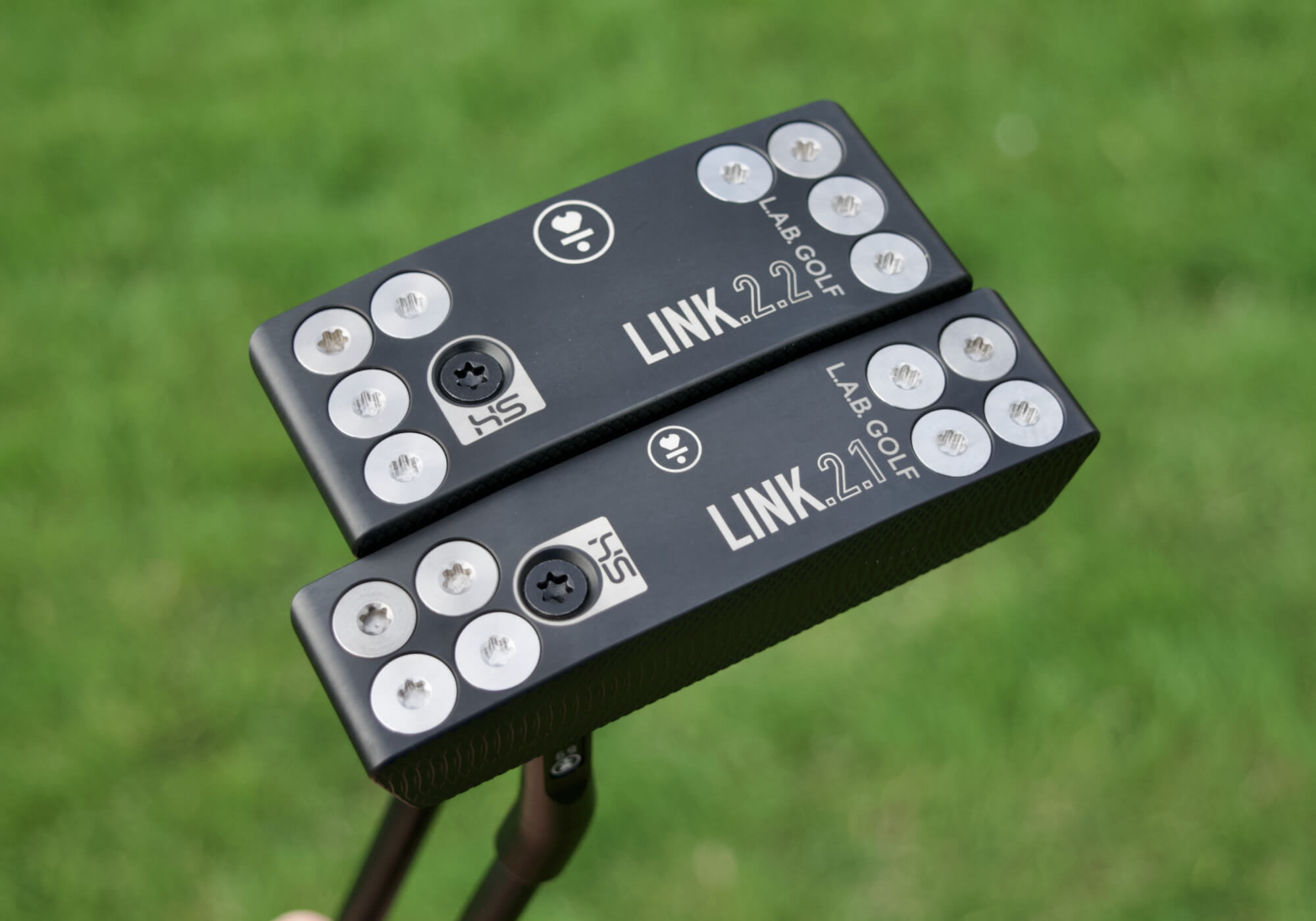
The LINK2.1: Anser-esque with a Twist
The LINK2.1 leans towards an Anser 2 style blade – longer heel-to-toe with a squarer profile. It looks familiar, which is exactly the point. The source article describes the LINK.1 as “scythe-like” in comparison, and I agree. The LINK2.1 feels more compact, more “putter-like” in the hands and through the stroke. For golfers seeking the stability benefits of L.A.B. but preferring the classic Anser footprint, this is your model. I expect data from this putter to show slightly higher MOI than its predecessor due to the mass redistribution away from the extreme heel and toe, providing even more forgiveness on slight mishits while maintaining excellent face stability.
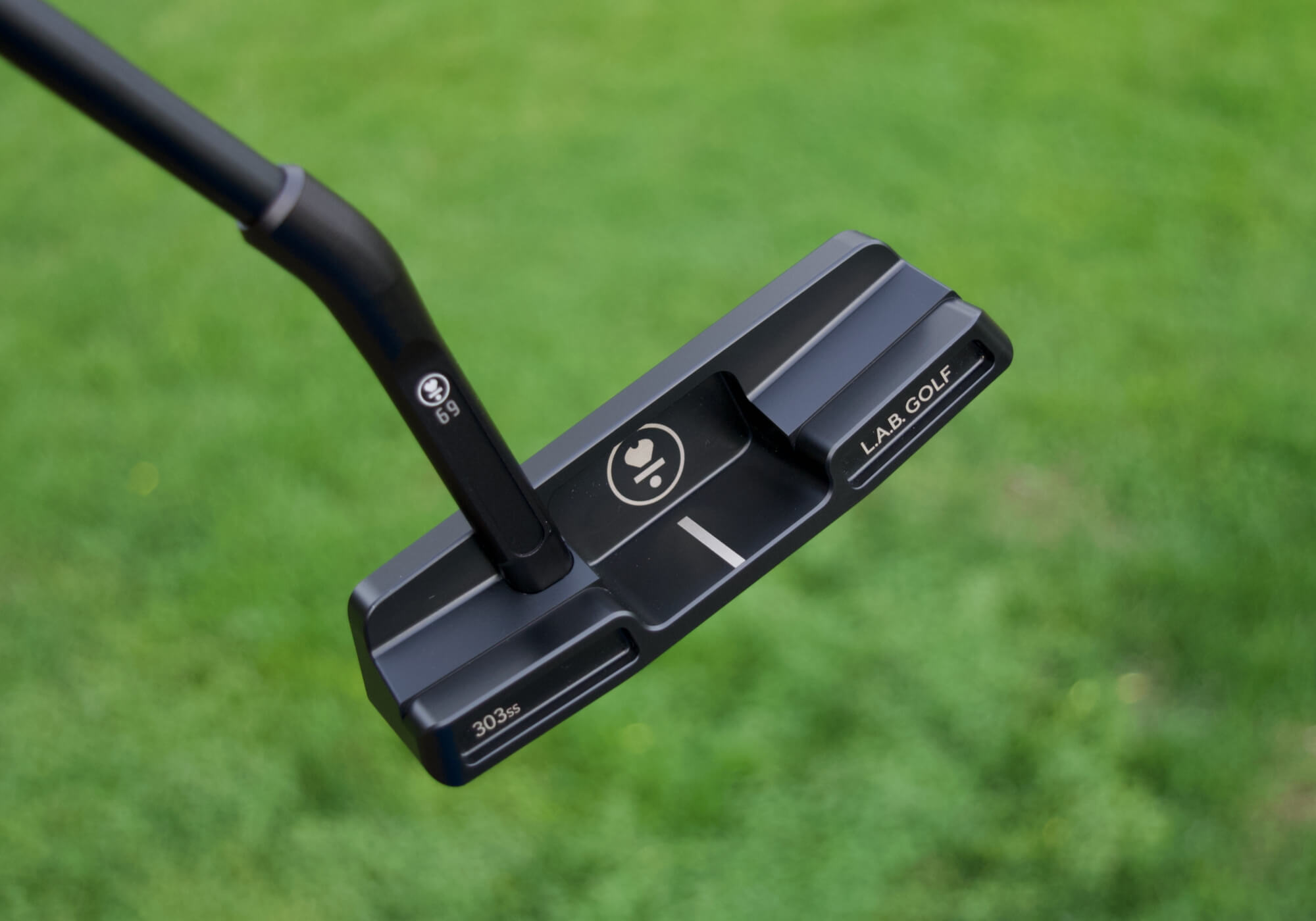
The LINK2.2: A Compact Powerhouse
This is the one that personally excites me most. The LINK2.2 is shorter heel-to-toe than the 2.1, with the removed mass redistributed to increase the front-to-back depth. This design philosophy typically leads to a significantly higher moment of inertia (MOI) for a head of its size. For context, higher MOI means less twisting on off-center strikes, leading to more consistent ball speeds and direction. This is where the engineering truly shines through the “normal” appearance.
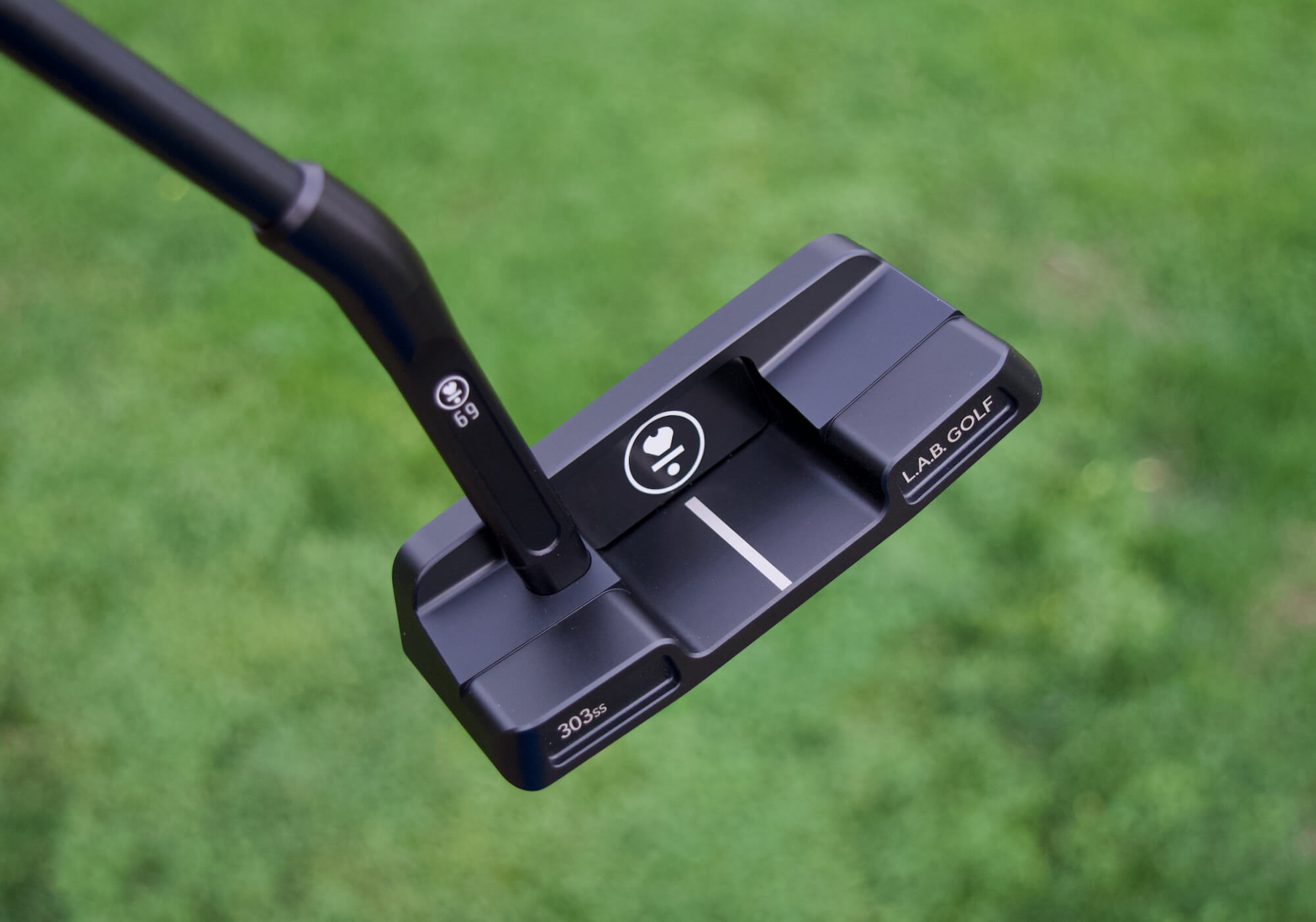
The alignment aids are excellent – a clear sightline combined with the cavity and edges forming multiple parallel lines. In my experience fitting golfers, superior alignment can shave strokes faster than almost anything else. If you can confidently aim this putter, and its Lie Angle Balancing takes care of face rotation, you’ve got a potent combination. The “thicker” impact feel and muted sound also suggest a design focused on providing confidence-inspiring feedback without being jarring – a characteristic many low-handicappers value but is also beneficial for building consistency for high-handicappers.

Impact on the Golfing Public
These new LINK putters are not just new models; they represent a pivotal moment for L.A.B. Golf.
“The L.A.B. Golf LINK2.1 and LINK2.2 will bring new customers to the brand. Most people have heard of L.A.B. Golf at this point but the looks of the other models are off-putting.”
This assessment is undeniable. The previous “esoteric” designs, while incredibly functional, limited their market reach. With the LINK2.x, L.A.B. has done something truly smart: they’ve removed the aesthetic barrier to entry. Now, golfers can get all the benefits of Lie Angle Balance without having to make a visual compromise.

Who are these for? Anyone struggling with face rotation in their putting stroke, regardless of handicap. If your launch monitor numbers show inconsistent face angles at impact, or if you consistently miss putts on the heel or toe, an L.A.B. putter could be a revelation. The value proposition here is simple: tour-level stability (and the associated shot-making consistency) in a package that looks like something you’d find in any pro shop. This broader appeal will allow more golfers to experience the tangible benefits of Lie Angle Balance, potentially leading them to explore other L.A.B. designs down the line. It’s a calculated, and highly effective, move.
I’m genuinely impressed, particularly with the LINK2.2. Its compact, high-MOI design combined with the familiar aesthetic is a winning formula. I’m already planning a custom build and can’t wait to get those launch monitor numbers and see how it performs in a real-world fitting scenario. Rest assured, you’ll be hearing all about it.