

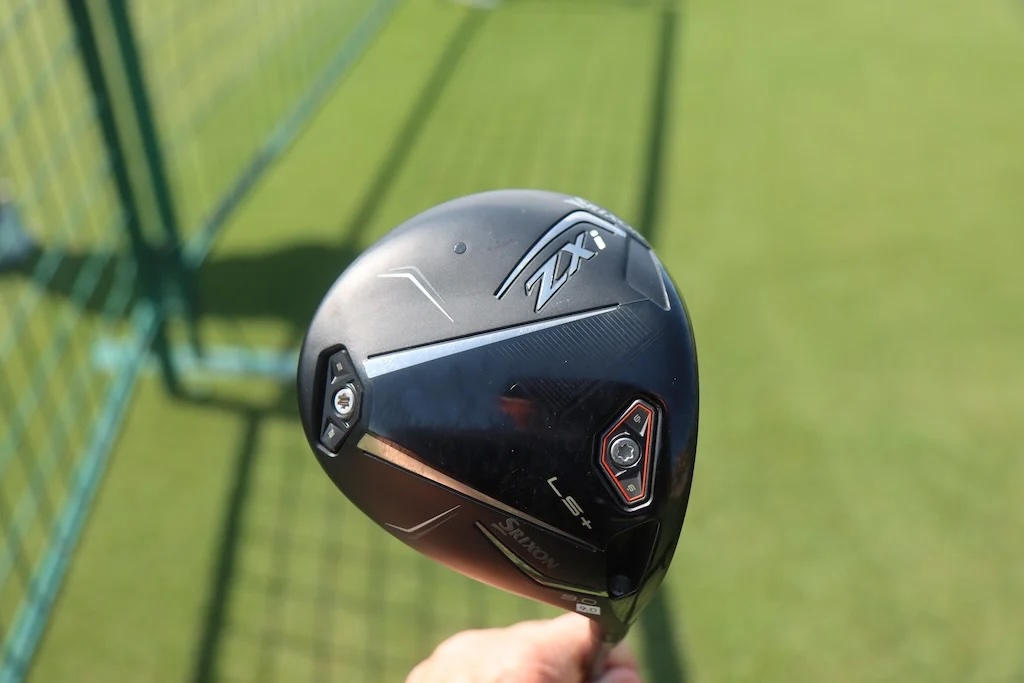

As a golf instruction editor for The Daily Duffer, I always find it fascinating to peek into the bags of the world’s best golfers. It’s not just about seeing shiny new clubs; it’s about understanding the choices these athletes make to optimize their performance. Last week’s AT&T Pebble Beach Pro-Am offered a great opportunity to do just that, giving us some insights into the driver and shaft combinations that elite players are trusting.
When you look at the equipment choices of PGA Tour pros, it’s easy to get caught up in the details – the specific loft, the flex of the shaft, the model of the grip. And while these details are crucial for them, what’s even more important for *your* game is understanding the *why* behind their choices and how you can apply those principles to your own swing. As the article states,
“What are the driver and shaft combinations of the best golfers in the world? For gearheads, it’s an endlessly interesting question — even if we can only ever aspire to play LS heads and 7 TX shafts.”
That last part, “aspire to play LS heads and 7 TX shafts,” touches on a common misconception I see with many of my students. You might think that if a pro uses an extra-stiff (TX) shaft or a low-spin (LS) driver head, you should too. But that’s simply not true! These pros have swing speeds north of 115 mph, incredible control, and precise ball striking. Their equipment is custom-tailored to their unique, powerful swings.
Understanding Your Driver Specs: It’s All About Fit
Let’s look at some examples from the article. Take Shane Lowry, for instance:
Shane Lowry
Driver: Srixon ZXi LS Prototype (9 degrees)
Shaft: Mitsubishi Diamana D+ White 70 TX
Grip: Golf Pride Tour Velvet

Lowry is a strong player, and his 70-gram, TX shaft is designed for maximum stability with a very high swing speed. The “LS” in his driver head indicates a low-spin design, which helps control launch and reduce unwanted curve for players who generate a lot of spin naturally.
Compare that to Harris English:
Harris English
Driver: Ping G440 LST (10. 5 degrees)
Shaft: Fujikura TR Blue 6 X
Grip: Golf Pride MCC


While still using an extra-stiff (X) shaft, Harris’s shaft is slightly lighter at 60 grams, and his driver is set at 10.5 degrees, an increase from Lowry’s 9 degrees. This suggests a desire for a little more launch and perhaps a different feel at impact, all tailored to his specific swing dynamics.
What this tells us is that every detail matters for these players. For you, the takeaway is not to copy them, but to emulate their commitment to finding the *perfect fit*. In my 15+ years of teaching, I’ve seen countless golfers struggle because their equipment isn’t matched to their swing. A proper club fitting isn’t just for pros; it’s one of the best investments you can make in your game.
The Role of the Shaft: Spin, Feel, and Control
The shaft is often called the engine of the club, and for good reason. It dramatically influences launch, spin, and feel. Notice the range of shafts among the pros:
- Shane Lowry: Mitsubishi Diamana D+ White 70 TX
- Andrew Putnam: Project X HZRDUS Black 65 TX
- Robert MacIntyre: Graphite Design Tour AD DI 7 X
- Luke Clanton: Mitsubishi Kai’li White 70 TX
- Blades Brown: Mitsubishi Kai’li White 70 TX
Even though many are “TX” or “X” flex, there’s variation in weight (60s and 70s grams) and specific bend profiles. The “Tour AD DI” in Robert MacIntyre’s driver, for example, is known for a mid-launch, low-spin profile with a very stable feel, appealing to a wide range of strong players. The “Kai’li White” (used by Luke Clanton and Blades Brown) is typically a low-launch, low-spin shaft favored by aggressive tempos.
“At last week’s AT&T Pebble Beach Pro-Am, GolfWRX got in-hand looks at the big dogs of several PGA Tour pros.”
The “big dogs” are carefully selected, not just purchased off the shelf. Different shafts can help reduce slices, increase distance, or provide a more consistent ball flight, depending on your swing speed, tempo, and release.
Actionable Drills: Understanding Your Swing Needs
Before you even think about buying a new driver, you need to understand your own swing. Here are a couple of drills to help you gain insight:
1. The “Feel the Flex” Drill:
Goal: To understand how the shaft loads and unloads in your swing.
How to do it: Take your driver (or even a mid-iron if you prefer) and make very slow, controlled practice swings. Focus intensely on the feeling of the clubhead lagging slightly behind your hands on the downswing, and then “kicking” through impact. You should feel the shaft bending and then releasing its energy. Pay attention to whether you feel like the club is too whippy (too much bend) or too stiff (no bend at all). This simple drill helps you tune into the critical role the shaft plays. Repeat this 10-15 times, concentrating solely on the FEEL of the shaft.
2. The “Controlled Speed” Drill:
Goal: To gauge your natural tempo and swing speed, which directly impacts shaft choice.
How to do it: Go to the range with your driver. For the first five shots, make smooth, half-speed swings, focusing on balance and hitting the center of the face. For the next five, increase to about 75% effort, still maintaining balance. Then, hit five shots at your normal playing speed, but without trying to hit it as hard as you possibly can. Finally, hit a few shots where you truly “go after it.” Pay attention to your ball flight consistency at each speed. Often, your best ball striking and most consistent flight come at slightly less than maximum effort. This exercise helps you determine your typical swing speed range, which is critical information for a club fitter.
“Check out some of the most interesting combos below.”
These “interesting combos” are interesting because they work *for them*. My job is to help you find the combo that works *for you*. Don’t get caught up trying to replicate a pro’s exact setup. Focus on understanding the principles of proper fitting and then seeking out a professional fitting experience yourself. With the right guidance, anyone can improve their game, and that includes optimizing your equipment to unlock your full potential on the course. Keep practicing, keep learning, and most importantly, keep enjoying the game!
