


The Equipment-Free Agent Revolution: How Prize Money is Reshaping Professional Golf
I’ve been covering professional golf for thirty-five years now, and I’ve watched the financial landscape of this sport transform more dramatically in the last five years than in the previous three decades combined. Back when I was caddying for Tom Lehman in the ’90s, we all knew the real money wasn’t on the course—it was in the endorsement deals. A player’s Nike contract or their relationship with a club manufacturer often dwarfed their tournament winnings by a factor of five or ten.
That calculus is fundamentally shifting, and what’s happening right now with equipment-free agents represents something far more significant than just a trend. It’s a seismic realignment of how professional golfers can actually control their own destinies.
When Prize Money Finally Caught Up
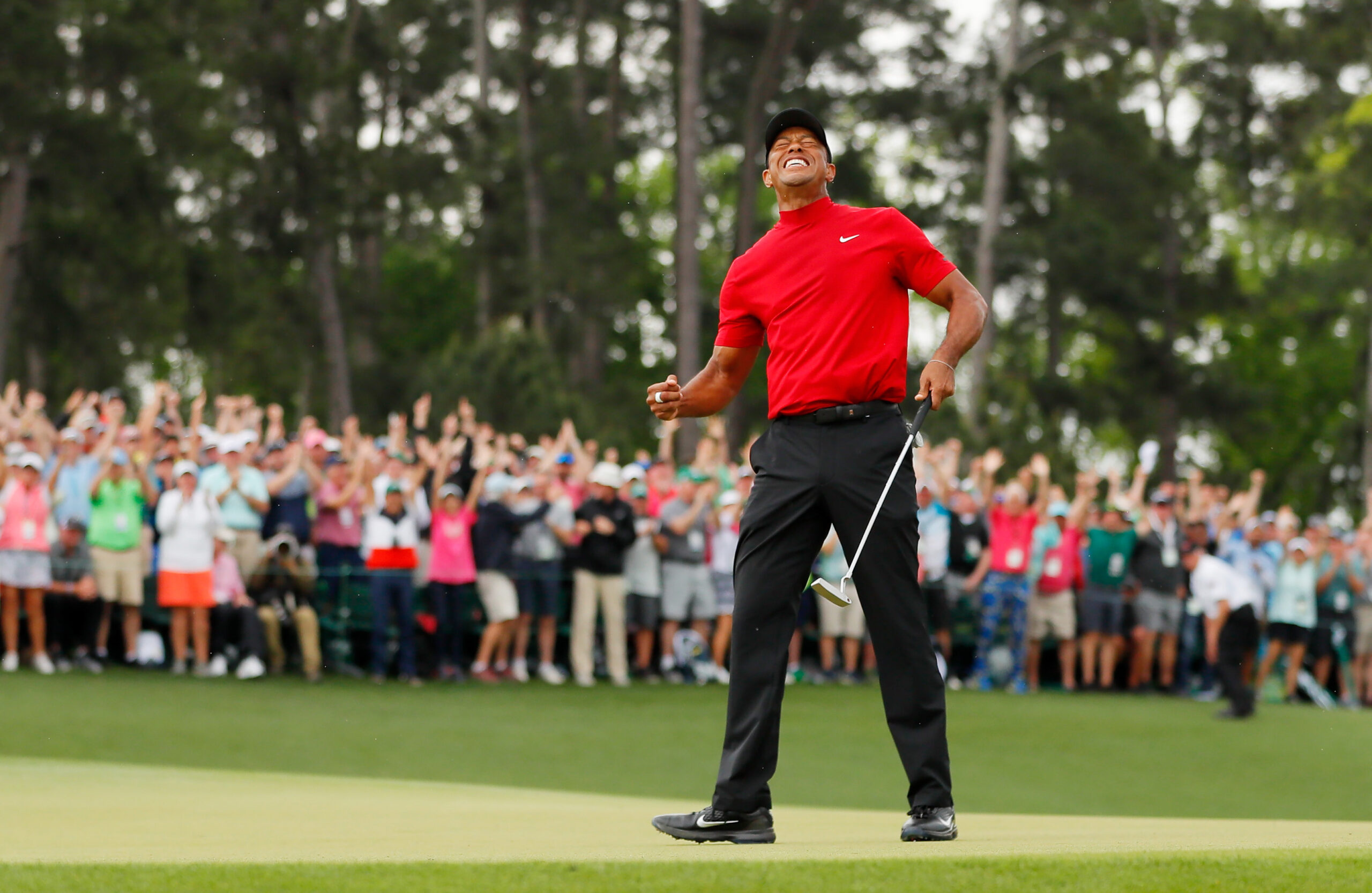
Consider the numbers: Tiger Woods earned an estimated $500 million from his 27-year Nike partnership, while his total PGA Tour prize money sits at $121 million. That’s a telling ratio—less than a quarter of his career earnings came from tournaments. But here’s what’s changed: with the dramatic increases in prize money across the PGA Tour and the emergence of LIV Golf, we’re now seeing a scenario where tournament purses are becoming genuinely competitive with sponsorship deals.
“Throughout most players’ careers, it’s likely that the majority of their earnings actually came from sponsorships rather than prize money, with brands coughing up substantial paychecks for players to use and advertise their equipment.”
That’s no longer universally true, and that matters enormously. I think what we’re witnessing is nothing less than the democratization of player leverage. When you can make $4 million for winning a major tournament, suddenly you’re not beholden to a club manufacturer in quite the same way.
The Equipment-Free Agent Advantage
Here’s what strikes me most about this development: eleven players in the world’s top fifty are now equipment-free agents, meaning they can mix and match their gear without contractual obligations. That might sound like a small detail, but having spent decades around the tour, I can tell you this is genuinely revolutionary.
An equipment-free agent can use TaylorMade woods, Callaway irons, and Titleist wedges if that combination works best for their game. More importantly, if those clubs aren’t performing, they can switch manufacturers without triggering a contractual nightmare. A player locked into a multi-year equipment deal faces a real dilemma: either keep using equipment that doesn’t work, or negotiate out of a lucrative contract and potentially damage their relationship with that manufacturer.
“By being an equipment-free agent, they can use the manufacturer that’s best for them without upsetting their sponsors, something that those who have an equipment deal can’t do.”
JJ Spaun’s U.S. Open victory last year at Oakmont illustrates this perfectly. While he maintains an agreement with Srixon for his irons and wedges, his winning bag featured a Titleist driver and TaylorMade fairway woods—a practical arrangement that simply wouldn’t have been possible for most players a decade ago.
The Real Story: It’s About Control
What fascinates me, having caddied and covered this game at the highest level, is that the rise of equipment-free agents isn’t really about avoiding contractual obligations. It’s about player agency. It’s about saying, “My performance matters more than your brand loyalty.”
Looking at the top fifty players globally, we see some telling patterns. Twenty-four players carry full bags from a single manufacturer—TaylorMade, Callaway, Titleist, Ping, and PXG are the primary players here. But it’s noteworthy that Russell Henley is still using 2019 Titleist T100 irons and a 2021 TSi2 hybrid. He’s not chasing the latest equipment releases because the old clubs work. That’s a player prioritizing performance over novelty, and his manufacturer is respecting that.
Meanwhile, Titleist has solidified itself as the dominant ball brand across the tour—even equipment-free agents tend to play Pro V1s and Pro V1x balls. That’s the kind of brand loyalty you earn through quality, not contracts.
The Five Major Winners Playing Free
Here’s a statistic that really stands out: among the eleven equipment-free agents in the top fifty, five are Major winners. Eight have won tournaments in the last twelve months. These aren’t fringe players experimenting with freedom—these are elite competitors who’ve reached a level where they can dictate their own terms.
“A total of 24 players have full bags in-play, with TaylorMade, Callaway, Titleist, Ping and PXG featuring in that category.”
The presence of players like Justin Rose at number four in the world rankings without any club deal—that’s a statement. Rose has won majors, he’s competed at the highest level for twenty years, and he’s apparently decided that the freedom to choose his own equipment is worth more than a sponsorship check.
What This Means Going Forward
I think we’re heading toward a bifurcated equipment landscape. Top manufacturers will continue to court young rising stars with lucrative deals—that’s where they build brand ambassadors for the future. But for established elite players, especially Major winners, the equipment-free model will likely become increasingly attractive as prize money continues to rise.
This isn’t a problem for the game—it’s actually healthy. It means players are optimizing their performance without artificial constraints. Equipment companies will need to compete on merit rather than just marketing budgets. And fans get to see pros using gear they’ve actually chosen rather than contractually mandated setups.
After thirty-five years covering this game, I believe we’re witnessing golf’s version of free agency. It took longer than most sports, but it’s finally here.
