

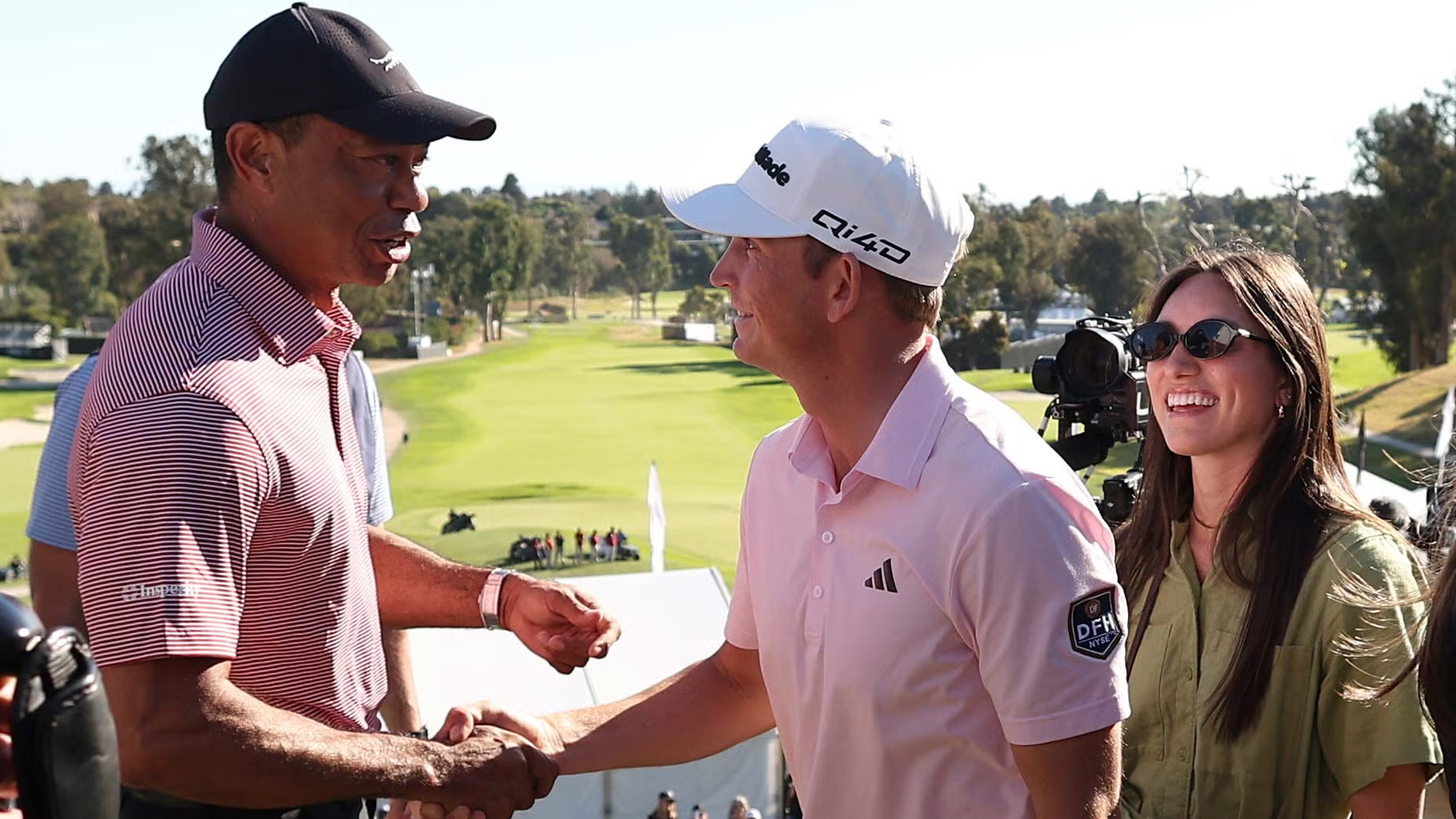

Hello, Daily Duffer readers! Sarah Chen here, and I’ve just been captivated by the recent drama at the Genesis Invitational. Jacob Bridgeman’s nail-biting finish, particularly that crucial 3.5-foot putt on 18, offered a masterclass in handling pressure. It also provided a stark reminder of how our minds and bodies react when things get really tough on the course.
The story of Bridgeman, staring down that winning putt with Rory McIlroy and Tiger Woods watching, truly resonated with me. He was facing what the article calls the “scariest putt in golf – somewhere between three and four feet.” Short enough to expect to make it, long enough that you might not. Sound familiar?
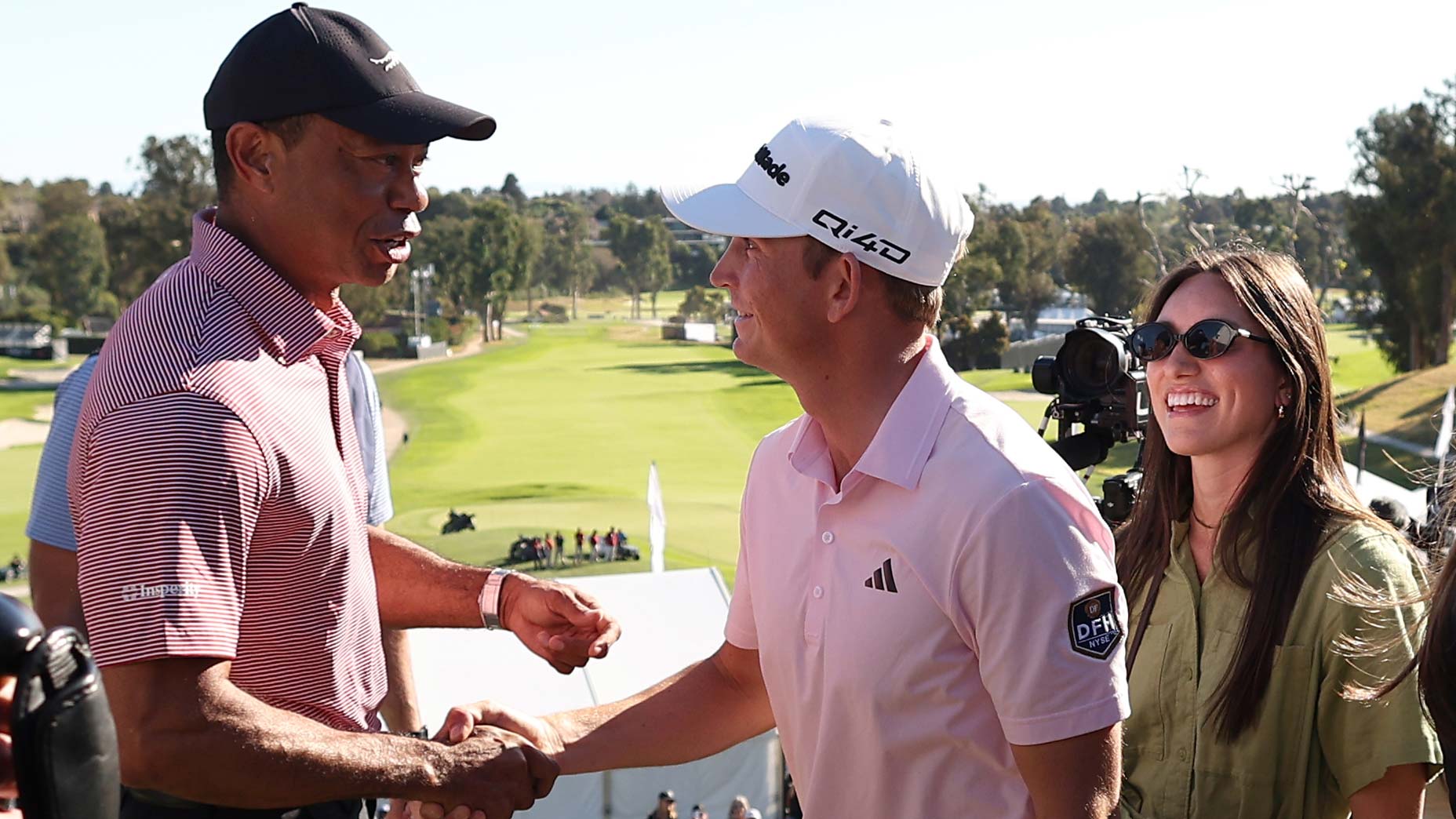
For most of us, we won’t have millions on the line or thousands of people, including our heroes, watching our every move. But the feeling of pressure on a short putt – the one that truly matters – is universal. It’s when you feel your hands go numb, your heart rate accelerate, and suddenly, that easy tap-in looks like Mount Everest.
Bridgeman himself admitted:
“I couldn’t even feel my hands on the last couple greens, I just hit the putt hoping it would get somewhere near the hole.”
This is a common experience, even for touring pros. So, what can we learn from his victory and apply to our own games to manage that crucial short putt?
Mastering the Pressure Putt: It Starts Before You Even Putt
The mental game around short putts is paramount. When the pressure is on, our natural tendency is to tighten up. We worry about missing, about what others might think, about the terrible consequences. This negative focus is a killer for fluidity and feel, which are essential for putting.
Bridgeman’s experience highlights this perfectly. Even though he initially felt “in robot mode and autopilot” on full shots, the short putt brought on a different kind of challenge, making him lose feeling in his hands. This isn’t just about technique; it’s about managing your internal state.
One of the most powerful lessons from Bridgeman’s finish came when he recalled a conversation with fellow pro Chris Gotterup:
“I thought he was kind of crazy until I got to this moment and then I was like, yep, I understand what you’re talking about now, Chris. I had no idea what to do.”
This tells us that even the best golfers can feel overwhelmed. The key isn’t to never feel nervous, but to have strategies to execute despite the nerves.
Drill #1: The “Expectation Stripper” Practice
This drill directly addresses the expectation burden of short putts. We *expect* to make them, and that expectation creates pressure. Instead, let’s reframe our practice.
- **Try this:** Find a relatively flat part of the practice green. Place 10 balls down, each at a slightly different 3-foot distance from the hole.
- **The Catch:** Your goal isn’t to *make* them all. Your goal is to hit each putt with the exact same stroke tempo and positive commitment, focusing on your line and speed, regardless of where it came to rest. Don’t react emotionally if you miss. Simply reset and repeat.
- **Why it works:** This drill reduces the pressure of the “made or missed” outcome and helps you practice the process. It teaches you to commit to the stroke itself, rather than the result, which is a powerful mental shift under pressure.
Drill #2: The “White Hole” Focus
Bridgeman made a fascinating comment after his winning putt:
“The hole’s really white and it looked pretty big for whatever reason on 18.”
This is a fantastic insight into positive visualization. When under duress, our field of vision can narrow, and our focus can become hyper-critical. He refocused on a simple, positive visual cue.
- **Here’s a drill:** When practicing short putts (3-5 feet), consciously visualize the hole as bigger or “whiter” and brighter. Before you take your stroke, take a deep breath, and as you exhale, internalize that image of a wide, inviting hole.
- **Why it works:** This simple visualization shifts your mind from fear-based thinking (“Don’t miss!”) to opportunity-based thinking (“Hit that big, white target!”). It helps you relax your eyes and your mind, allowing for a more natural stroke.
Drill #3: The “Robot Mode” Rehearsal
Bridgeman mentioned feeling like he was “in robot mode and autopilot” on full shots, which is often a desirable state for repetitive actions. We want to achieve a similar detachment on our short putts.
- **Try this:** Set up three balls at 4 feet from the hole. Before each putt, go through your entire putting routine – practice strokes, aim, setup – deliberately and methodically.
- **The Focus:** The key here isn’t speed, but consistency. The routine itself becomes the anchor. When you’re ready to putt, simply execute the stroke, letting your body do what it’s rehearsed.
- **Why it works:** A consistent pre-shot routine is your mental anchor. It helps you block out distractions and provides a structured pathway to execution, even when your hands feel numb or your heart is pounding. It simulates that “robot mode” by making the act of putting a familiar, well-rehearsed sequence.
It’s important to remember that Jacob Bridgeman’s triumph on Sunday wasn’t just about skill; it was about resilience and the ability to execute under extreme pressure. He didn’t avoid the pressure – he embraced the challenge and relied on his fundamental understanding of what he could control: his line, his speed, and his focus. As he put it, he was “just hoping that the ball would roll where it was supposed to roll.”
In my teaching experience with players at all levels, the short putt is often the ultimate test of nerve. But with consistent, focused practice, and by incorporating these mental and physical drills, you can build the confidence to face those “scary” putts head-on. Don’t let those 3-4 footers intimidate you. Treat them as opportunities to practice your composure and watch your scores drop!
You definitely can improve your putting. Keep practicing, stay positive, and I’ll see you on the greens!
Fans were pulling for McIlroy, wanting to will him into a comeback, but they were quietly supportive of Bridgeman, too, an impressive unknown without an ounce of villain in him. Bridgeman matched McIlroy’s birdie at No. 1 to keep his lead at six. He birdied the third to stretch it to seven. Even that was greeted with light applause. McIlroy’s early birdie tries slid by, doing little to ignite the crowd. Hollywood seemed unimpressed with this particular bit of anticlimax.
Up ahead, several other contenders made their presence felt. Aldrich Potgieter got to 15 under with an eagle at 11. Adam Scott played stunning golf, stacking eight birdies and zero bogeys to post the clubhouse lead at 16 under. And then, just as Bridgeman found himself in a spot of bother, Kurt Kitayama made his seventh and eighth birdies of the day in the group ahead to post 17 under par.
">
