


As a teaching professional, few things excite me as much as seeing a golfer find a “magic spark” with their putter. It’s a feeling of pure joy and confidence that can transform a round, and frankly, it’s infectious!
The pursuit of that perfect putter, or that perfect putting stroke, is a journey many of us embark on. We saw a fascinating example of this recently with Wyndham Clark at the Valspar Championship. He’s a top-tier player, and even he’s continually exploring options to optimize his putting.
The Pursuit of the Perfect Putter: More Than Just a Club
There’s a unique allure to a new putter. It represents possibility, a clean slate. As the source article beautifully puts it:
“A new putter is one of the joy’s of golf. New opportunity for greatness, a refreshed outlook. Something to show off to cohorts.”
Who can deny that feeling? I see it in my students all the time – that glimmer in their eye when they unwrap a new putter or discuss a potential change. But this excitement can also quickly evolve into what the article calls “the feeling of hopelessness and uncertainty about which putter will stay in the bag next.”
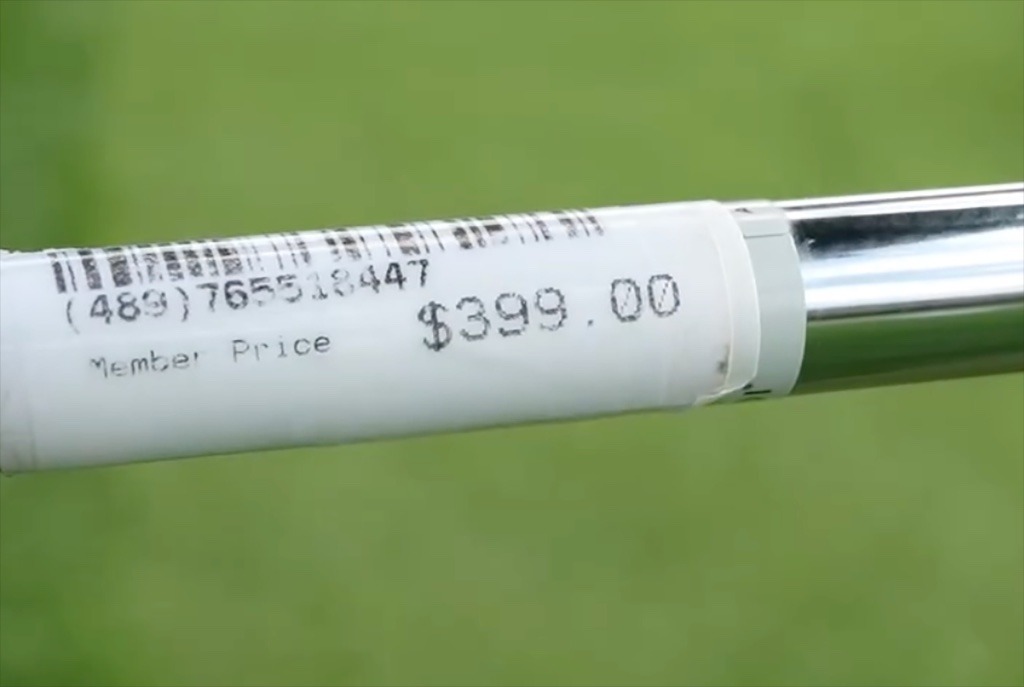
Wyndham Clark’s recent putter journey is a prime example of this search. He’s been observed with a L.A.B. DF3, a Bettinardi Antidote SB1, and even a custom prototype Scotty Cameron Newport 2. What’s truly striking is that he ultimately went with his Bettinardi Antidote SB1 for the Valspar tournament, a putter he played with at the Players Championship, even with the price tag still on it! This shows us that even pros aren’t immune to the temptation of new gear, but ultimately, performance reigns supreme.
This highlights a crucial point I emphasize with all my students: While new equipment can be fun and even beneficial, the search for the “magic spark” truly begins with understanding your own putting stroke and what you need from your putter.
“At the end of the day, it’s all about getting the ball in the hole and finding that magic spark.”
And that, my friends, is the heart of it. It’s not about the brand or the price tag alone; it’s about getting that ball into the cup consistently.
Understanding Your Putter’s Toe Hang and How it Affects You
Let’s delve a little into one of the technical aspects mentioned in the article about Wyndham Clark’s custom Scotty Cameron Newport 2:
“A technical note: The flow neck style hosel is welded just short of the center of the putter, creating a little bit of toe hang.”

What does “toe hang” mean, and why is it important for *your* putting? When you balance a putter on your finger from its shaft, the putter face will either point straight up (face balanced), slightly towards the ground (mid-toe hang), or completely towards the ground (full toe hang).
- Face-balanced putters are generally suited for golfers with a straight-back, straight-through putting stroke, as they resist rotation.
- Putters with toe hang are designed for strokes that have a natural arc. The more toe hang, the more the putter face wants to open on the backstroke and close on the follow-through, helping to square the face at impact for those with an arcing motion.
If you have an arcing stroke but use a face-balanced putter, you might find yourself fighting the putter to close the face. Conversely, if you have a straight stroke with a putter that has significant toe hang, you might be over-rotating the face. Knowing your stroke type is key to finding a putter that complements your natural motion.
Actionable Drills for Your Putting Stroke
Whether you’re looking for a new putter or trying to maximize your current one, these drills will help you build consistency and confidence:
1. The Gate Drill: Perfecting Your Stroke Path
This drill helps ensure your putter head stays on its intended path, crucial for consistent contact and direction.
How to do it:
- Place two tees in the ground slightly wider than your putter head, one in front and one behind, creating a “gate” through which your putter must pass. Make sure your putter can swing freely without touching the tees.
- Place a ball in the center of the gate.
- Focus on making strokes where your putter head avoids touching either tee. Start with short putts (3-5 feet).
Why it works: This drill provides immediate feedback on your putter path. If you constantly hit the inside tee, your path is too far inside. If you hit the outside tee, you’re pushing it out. It helps you develop a smooth, repeatable stroke.
2. The One-Handed Drill: Feeling the Putter Head
This drill helps isolate the hands and arms, promoting a smoother stroke and better feel. It’s excellent for integrating the putter’s natural toe hang or face balance into your stroke.
How to do it:
- Start by putting with only your dominant hand, holding the putter like you would for a normal putt.
- Focus on feeling the weight of the putter head and letting it swing naturally. Don’t try to steer it forcefully.
- Once comfortable, switch to putting with only your non-dominant hand. This often reveals any over-control or tension you might be holding.
- Finally, combine both hands, trying to replicate the relaxed, flowing feeling you had with the individual hands.
Why it works: Putting one-handed forces your body to rely on the natural arc and weight of the putter, rather than muscling the stroke. This builds feel and rhythm, which are paramount in putting.
3. The “Look Away” Drill: Trusting Your Stroke
Often, golfers lift their heads too early to see where the ball is going, leading to pulls or pushes. This drill tackles that habit directly.
How to do it:
- Set up for a short putt (3-6 feet).
- As you make your stroke, keep your eyes fixed on the spot where the ball *was* for a full count of “one-thousand-one, one-thousand-two” after impact.
- Only then should you look up to see the result.
Why it works: This drill instills patience and encourages a complete, unhurried stroke. It helps eliminate extraneous head movement and allows your body to finish the stroke naturally, improving contact and direction.
In my teaching experience, the most impactful improvements often come from small, consistent applications of these fundamental principles. Don’t be afraid to experiment, understand what works for *you*, and trust your process. The “magic spark” isn’t just in the putter; it’s deep within your own commitment to improvement.
