


Hello, Daily Duffer readers! Sarah Chen here, and I’m thrilled to open up the instruction playbook with you. Fresh off our correspondent Andrew Von Lossow’s recent PGA Tour experience in Houston, I’ve been reflecting on how the pros approach their game, especially when it comes to dialing in their equipment and short game. It’s a fascinating look into the meticulous world of tour golf, and there are so many takeaways we can apply to our own games.
One of the most striking things Andrew highlighted was the incredible focus on precision. From brand new drivers to cutting-edge putting technology, the pros leave no stone unturned in their quest for perfection. But what does this mean for us, the dedicated amateur golfer?
The Power of Precision: Understanding Your Numbers
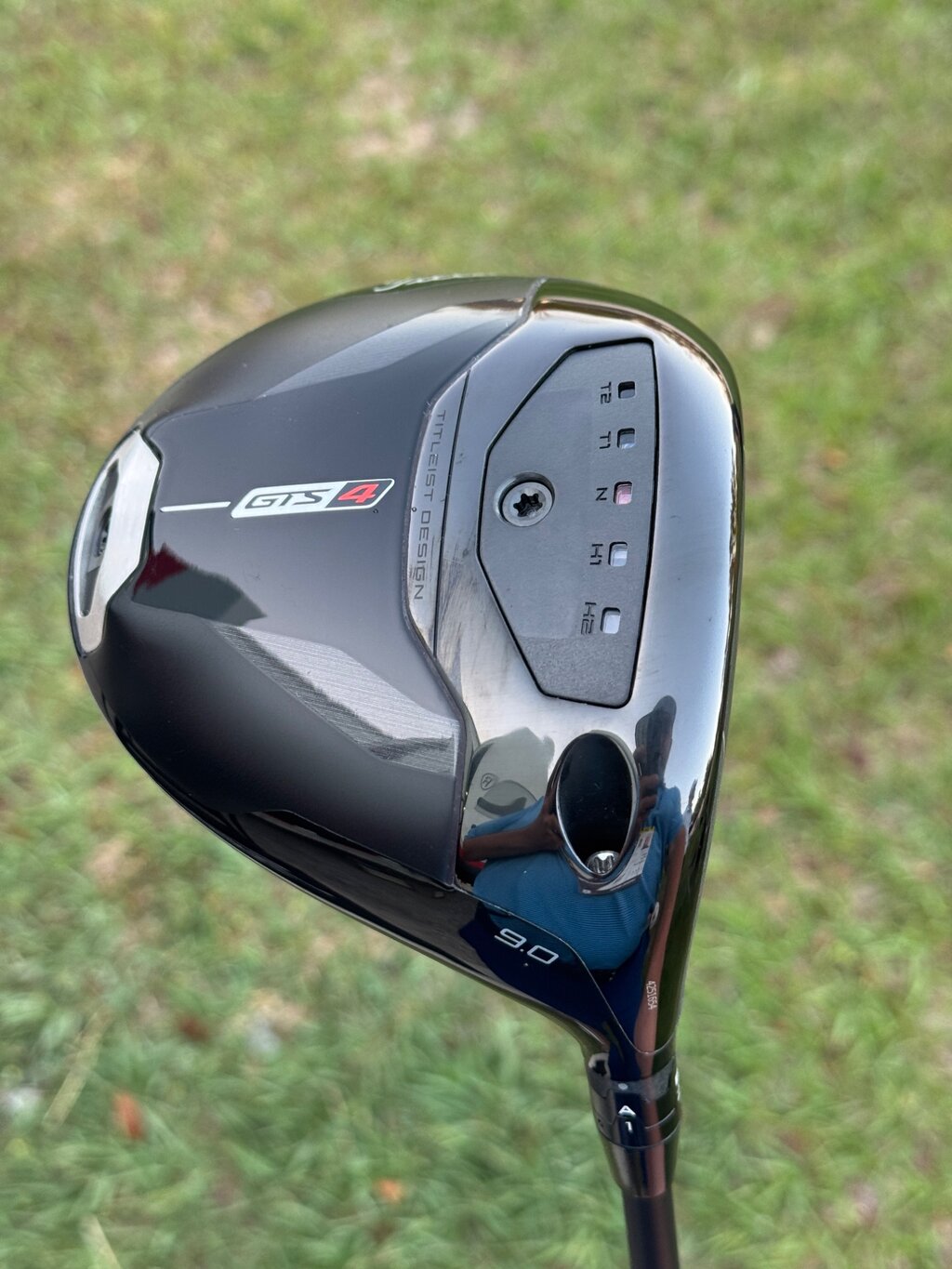
Andrew got an inside look at Titleist’s new GTS line of drivers being tested by tour players:
“Early indications from the small sample size I saw were that players really liked the spin numbers with their traditional mishits.”
This quote is a huge clue into the mindset of a golf professional. They aren’t just looking for “more distance” or “better feel.” They’re analyzing specific data points like spin rate, especially on mishits. Why? Because consistency is king. Knowing how your club performs when you don’t hit it perfectly allows you to manage the course more effectively and still produce playable shots.
While most of us don’t have a team of equipment reps tuning our drivers on the range, we can certainly adopt this data-driven approach. When you’re testing new equipment or even just working on your swing, understanding basic launch monitor data (like ball speed, launch angle, and spin rate) can be incredibly insightful. It helps you understand *why* your shots are behaving the way they are.
Try this: If you have access to a launch monitor (many reputable pro shops offer sessions), pay attention to your spin rate, especially on shots that don’t find the sweet spot. Are your mishits spinning too much, causing them to balloon? Or too little, leading to a knuckleball? This information, combined with how the ball *feels* and *sounds*, is invaluable for finding the right club for your swing.
Putting: Art Meets Science
Perhaps the most fascinating insight Andrew shared was about the new putting technology from Grasp Technology.
“This machine measures speed, line, and impact location. This makes for fine-tuning the putting stroke to the degree with the multiple lasers and cameras on the machine.”
This isn’t about dramatically changing a player’s natural stroke; it’s about understanding its nuances. The article mentions:
“If a player lines up seven degrees open and always hits their mark, their “zero” point is seven degrees.”
This is a powerful concept! It debunks the idea that there’s one “perfect” putting stroke for everyone. What’s perfect is what works for *you*. This technology helps pros understand their own unique tendencies, allowing them to make slight, impactful adjustments rather than overhaul their entire motion. In my 15+ years teaching experience, I’ve seen countless golfers struggle by trying to conform to an unnatural stroke. Embrace your natural tendencies, then refine them!

Here’s a drill to understand your unique putting tendencies without a high-tech machine:
Mirror Drill for Face Alignment: Place a putter mirror (or even a small regular mirror) on the ground about a foot in front of your ball. Address a putt as you normally would. Look into the mirror to see where your putter face is aligned relative to your target line. Do this 10-15 times. You might find you consistently aim slightly left or right, even if you feel like you’re square. This reveals your natural “zero point.” Once you know this, you can adjust your aim setup to compensate, rather than trying to force your putter face perfectly square.
Gate Drill for Path and Impact: Place two tees slightly wider than your putter head, forming a “gate” about 6 inches in front of your ball. Then, place a single tee just behind the ball, directly in line with your target, and another tee about 6 inches past the gate. The goal is to make strokes that pass cleanly through the gate without hitting the tees, and consistently roll over the post-gate tee. This helps you monitor your putter path and ensure you’re making consistent contact on the face.
The Endless Options: Finding Your Perfect Match
Andrew also noted the astounding variety of putters and drivers available to tour players. While they have access to an almost limitless array of options, the underlying message is clear: fit matters!

The “Vibe” section really drilled this home:
One player on the range was trying a new driver. The player and manufacturer narrowed it down to 2 different head styles and 5 different shafts. From there, they fine-tuned the launch monitor using the best combinations. As the week goes on, with a couple more holes left to play in the practice round, the decision for the gamer can be made.
This isn’t just for the pros. Getting properly fitted for your clubs, especially your driver and putter, can make an enormous difference in your consistency and confidence. Don’t just grab the latest off the shelf. Work with a PGA professional or a reputable fitter to find clubs that complement your unique swing. Remember, anyone can improve with proper instruction and the right tools!
Your Practice Routine: A Marathon, Not a Sprint
Finally, Andrew’s observation about the “Vibe” of tour life resonated deeply with my teaching philosophy:
“It was the feel of a tournament week in the air, but the professionals know it is about pacing yourself on another week on tour. It is a marathon, not a sprint, after all.”

This applies perfectly to your practice routine. Don’t try to cram everything into one session. Break your practice down into manageable, focused segments. Concentrate on one or two elements at a time, just like the pros narrow down driver heads and shafts. Dedicate time to understanding your equipment’s tendencies, your putting stroke’s “zero point,” and then put it all together on the course. Consistency in practice leads to consistency on the course.
Putting it all Together: Embrace Your Inner Pro
As you can see, the lessons from the PGA Tour aren’t just for the elite. By adopting a mindset of precision, understanding your individual tendencies, getting properly fitted, and approaching your practice with patience, you too can elevate your game. Don’t be afraid to analyze your shots, experiment with what feels best, and always remember that golf is a journey of continuous improvement. Keep practicing, keep learning, and I promise you’ll see great results!
