


Hello, fellow Duffer! Sarah Chen here, your Golf Instruction Editor, and I’m excited to share some insights today that I believe can truly elevate your putting game. As a PGA-certified instructor with over 15 years of experience, I’ve seen firsthand how a small adjustment or a better understanding of your equipment can unlock significant improvements on the greens. Whether you’re a touring professional or enjoying a weekend round, the principles of good putting remain the same: consistency, feel, and confidence.
You know, putting is often called a game within a game, and for good reason! It accounts for nearly half of your strokes, yet many golfers spend far less time practicing it compared to their full swing. But what if I told you that gaining consistency in your putting stroke might be less about brute force practice and more about understanding the nuances of your putter and its interaction with the ball?
Today, we’re going to dive into the unique world of putter optimization, inspired by a recent find in the GolfWRX Buy/Sell/Trade (BST) forum. It highlights how much impact the right feel for your putter can have. Remember that sense of community that drives us all at GolfWRX?
“It’s that sense of community that drives day-to-day interactions in the forums on topics that range from best driver to what marker you use to mark your ball. It even allows us to share another thing we all love – buying and selling equipment.”
This community-driven approach to sharing equipment and knowledge is fantastic, and it brings us to a crucial, yet often overlooked, aspect of putting: the putter face insert.
The Secret to Feel: Understanding Your Putter Face
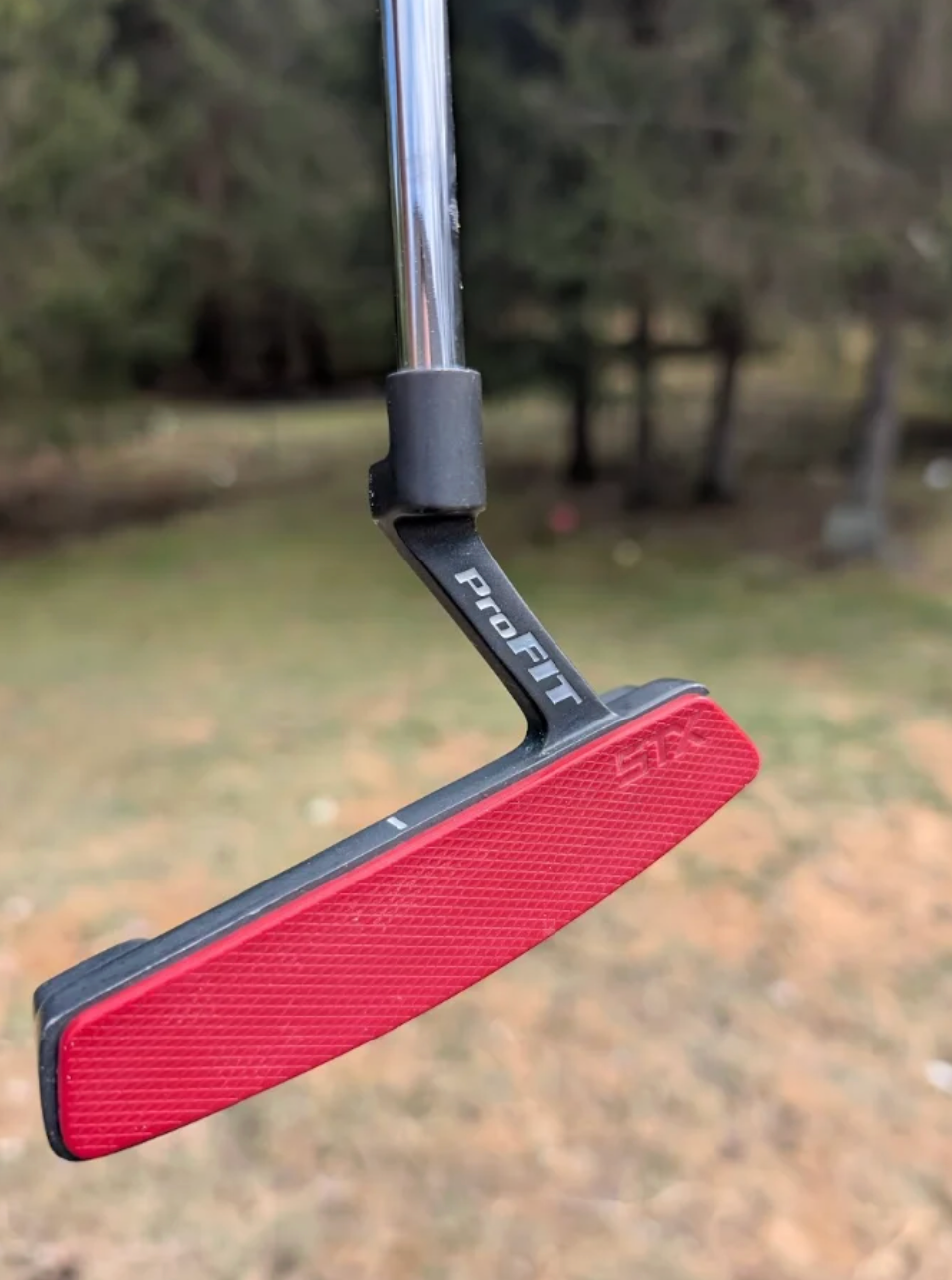
Take a look at this putter that was recently listed in the BST forum:
The owner, @timucsu, was selling a “STX Pro Fit 5 putter up for grabs,” which included something very special: a “face kit including black softest, red medium, green firm.” This isn’t just a putter; it’s a customization powerhouse designed to fine-tune your feel. In my teaching experience, the interaction between your putter face and the golf ball is paramount. It dictates the initial roll, the sound, and ultimately, your confidence.
Why does face insert firmness matter so much? Picture this: when your putter strikes the ball, there’s a tiny window of time where the two are in contact. A firmer insert will often provide a crisker, more immediate feedback, and can produce a slightly faster ball speed for a given stroke. A softer insert, on the other hand, can feel like the ball “dwells” on the face longer, offering a more muted sensation and potentially better distance control for those who tend to hit putts a little too hard. It really comes down to preference and how you experience that feedback.
As the seller wisely noted:
“I just don’t roll it as good as my other recent STX pickup.”
This isn’t a critique of the putter; it’s a perfect illustration of how personal feel is in putting. What works for one golfer might not work for another, and sometimes, even between two putters from the same brand, that subtle difference in feel can make all the difference to your game.
Actionable Drills: Finding Your Putter Feel Sweet Spot
You don’t need a custom face kit to start understanding the feel of your putter. Here are a couple of drills you can do right now, even with your current putter, to become more attuned to its characteristics:
Drill 1: The Sound Test & Blind Putt
Why it works: This drill helps you isolate the auditory and tactile feedback from your putter face, removing visual distractions. Different inserts or putter materials will produce different sounds and feels.
How to do it:
- Find a straight, 10-foot putt on the practice green.
- Hit five putts as you normally would, paying close attention to the sound and feel at impact. Try to describe it to yourself (e.g., “clicky,” “mushy,” “solid,” “metallic”).
- Now, blindfold yourself or turn your back to the hole, focusing purely on feeling the putter strike the ball and listening to the sound.
- Hit five more putts, trying to replicate the sound and feel that produced your best putts in step 2. You might be surprised at how your distance control improves when you’re not solely relying on your eyes.
Drill 2: The Coin Experiment (If you have a metal putter face)
Why it works: This helps you understand the energy transfer and slight variances across your putter face, even if you don’t have interchangeable inserts.
How to do it:
- Place a coin (like a penny or dime) directly on the sweet spot of your putter face.
- Address a ball on the green, ensuring the coin stays in place on the face.
- Hit the putt, trying to keep the coin from falling off immediately after impact. This encourages a very square, controlled strike.
- Now, try placing the coin slightly off-center (heel or toe). Hit another putt. Notice how the sound, feel, and even the ball’s roll change. This heightened awareness of impact location is crucial for consistency.
Your Path to Better Putting
Remember, the goal isn’t just to buy the latest equipment. It’s about finding what helps you “roll it as good” as possible. The STX Pro Fit 5, with its customizable face kit, offers a tangible path to achieving that personalized feel. The listing mentioned a price of “$175 obo” with a SWAG headcover and is 34″ long. This tells you that customization and the search for that perfect connection isn’t just for the pros.
“STX Pro Fit 5 with the face kit including black softest, red medium, green firm. I sourced these separately as it’s almost impossible to find the face kits.”
This highlights the dedication golfers have to optimizing their gear. It’s an investment in your game, and it’s one I encourage you to consider. Don’t be afraid to experiment, try different putters, and pay close attention to what your hands, ears, and eyes are telling you. Every golfer can improve their putting; it just requires a bit of understanding and a willingness to explore what truly works for *you*. Keep practicing with purpose, and I’m sure you’ll see those scores drop!
