


Mastering Short-Sided Bunker Shots on Hard Sand: Tips from GOLF Top 100 Teacher Joe Plecker
When it comes to mastering your golf game, few shots evoke more anxiety than short-sided bunker shots, especially on hard-packed sand. However, GOLF Top 100 Teacher Joe Plecker has a technique that can make even the most challenging bunker situations seem manageable. In this comprehensive guide, we’ll take you through the key techniques and tips for executing effective short-sided bunker shots, ensuring you can approach these tricky shots with confidence.
Understanding the Challenge of Short-Sided Bunker Shots
Short-sided bunker shots are particularly gnarly due to their placement near the greens. With limited green to work with, the margin for error is slim. Often, golfers find themselves with the ball positioned in a deep |rugged bunker or hard-packed sand, making it crucial to adopt the right technique to avoid disastrous results. Understanding the characteristics of hard sand versus fluffy sand can help prepare you mentally and physically for the shot ahead.
The Importance of Grip and Setup
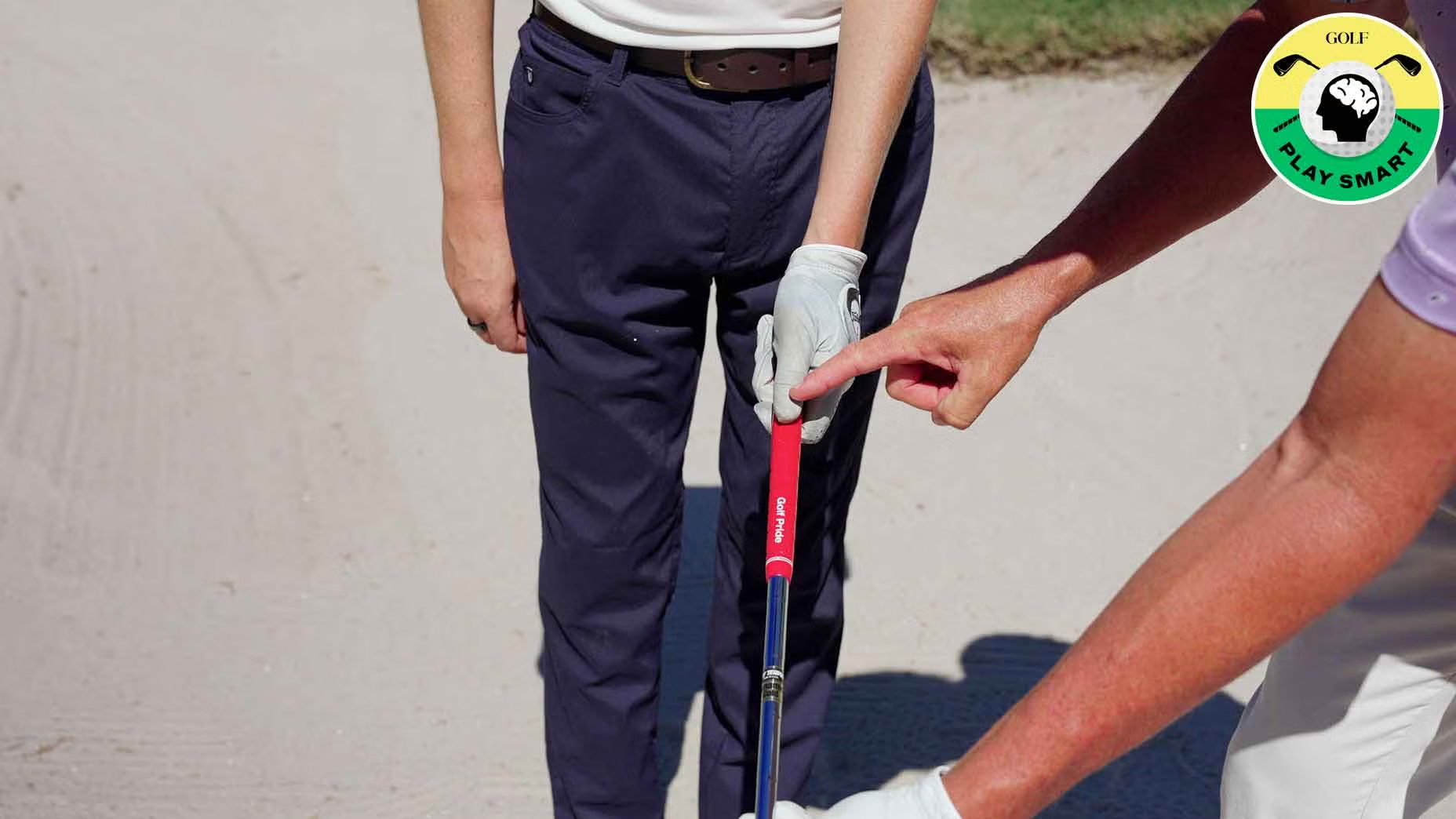
Before you even take a swing at the ball, your grip and setup are essential. Joe Plecker emphasizes the importance of a relaxed grip when preparing for these shots. A firm grip can lead to tension in your arms and shoulders, which is the opposite of what you want for fluid motion. Stand with your feet shoulder-width apart, and ensure your weight is balanced. Keep your knees slightly bent and lean slightly toward the target; this setup fosters better rhythm and helps you engage the right muscles.
The Correct Stance: A Key to Success
Once you’ve established your grip and setup, focusing on your stance is paramount. Joe Plecker advises golfers to adopt an open stance when approaching short-sided bunker shots. Position your front foot toward the target, while the back foot remains grounded. This setup allows for better body rotation, facilitating a smoother swing through impact. Remember, balance is important; your weight should shift to your front foot as you take your swing.
The Art of Club Selection
Choosing the right club can often be the deciding factor in the success of your short-sided bunker shot. Whenever facing harder sand, Plecker typically recommends using a sand wedge or lob wedge, depending on the distance to the pin and height desired. A sand wedge provides more bounce, making it easier to glide through hard sand. Conversely, a lob wedge can help you achieve greater loft if you need to stop the ball quickly on the green. Understanding the differences in bounce and angle can significantly affect your outcome.
Executing the Shot: A Step-by-Step Approach
Now that you have the right grip, stance, and club, it’s time to execute the shot. Begin by taking a smooth practice swing to gauge the sand’s hardness. Focus on hitting the sand just behind the ball, allowing the clubface to slide beneath the ball. Remember to accelerate your swing at impact to ensure the ball lifts and flies straight toward your target. Utilizing this technique can eliminate the fear of contacting the hard sand directly, leading to more successful shots.
Overcoming Mental Barriers
Mental preparation plays a significant role in executing any shot in golf, especially in high-pressure situations like a short-sided bunker shot. Many golfers allow fear of failure to dictate their actions, ultimately leading to poor performance. To overcome this barrier, visualize your success before you make your shot. Imagine the ball landing softly on the green, rolling toward the hole. This positive mental image can do wonders for your confidence and performance.
Practicing Short-Sided Bunker Shots
Like any skill, the key to mastering short-sided bunker shots is practice. Incorporate specific drills into your practice routine that work on different aspects of the shot. Use bunkers with varying sand textures and slopes, placing yourself in realistic playing situations. Set challenges for yourself, like landing the ball within a certain distance of the target. The more varied your practice sessions, the better prepared you’ll be on the course.
Learning from Mistakes
Even the best golfers don’t always execute perfect shots. Accepting mistakes as a part of the learning process will help you grow as a player. After each shot, reflect on what worked and what didn’t. Did you follow through? Were you focused? Assessing your performance critically can highlight specific areas to work on during your practice sessions.
Moving Forward With Confidence
With the right techniques and practice, short-sided bunker shots—regardless of the sand type—can transform from a source of fear into an opportunity to show off your skills. As Joe Plecker illustrates, proper alignment, grip, ball position, and mindset are essential elements to conquer these challenging situations.
Conclusion: Elevate Your Game
Short-sided bunker shots do not have to be the bane of your golfing existence. By applying the techniques taught by GOLF Top 100 Teacher Joe Plecker, you can take your short-game skills to the next level. Remember, confidence is key—both on and off the course. So grab your clubs, head to the range, and start practicing those hard sand bunker shots. The transformation in your game may just surprise you.
By focusing on these aspects, you will not only enhance your short-sided bunker technique but also elevate your overall golf performance. Whether you’re a beginner or an experienced golfer, mastering these tips can lead you to a refined and confident game.
