

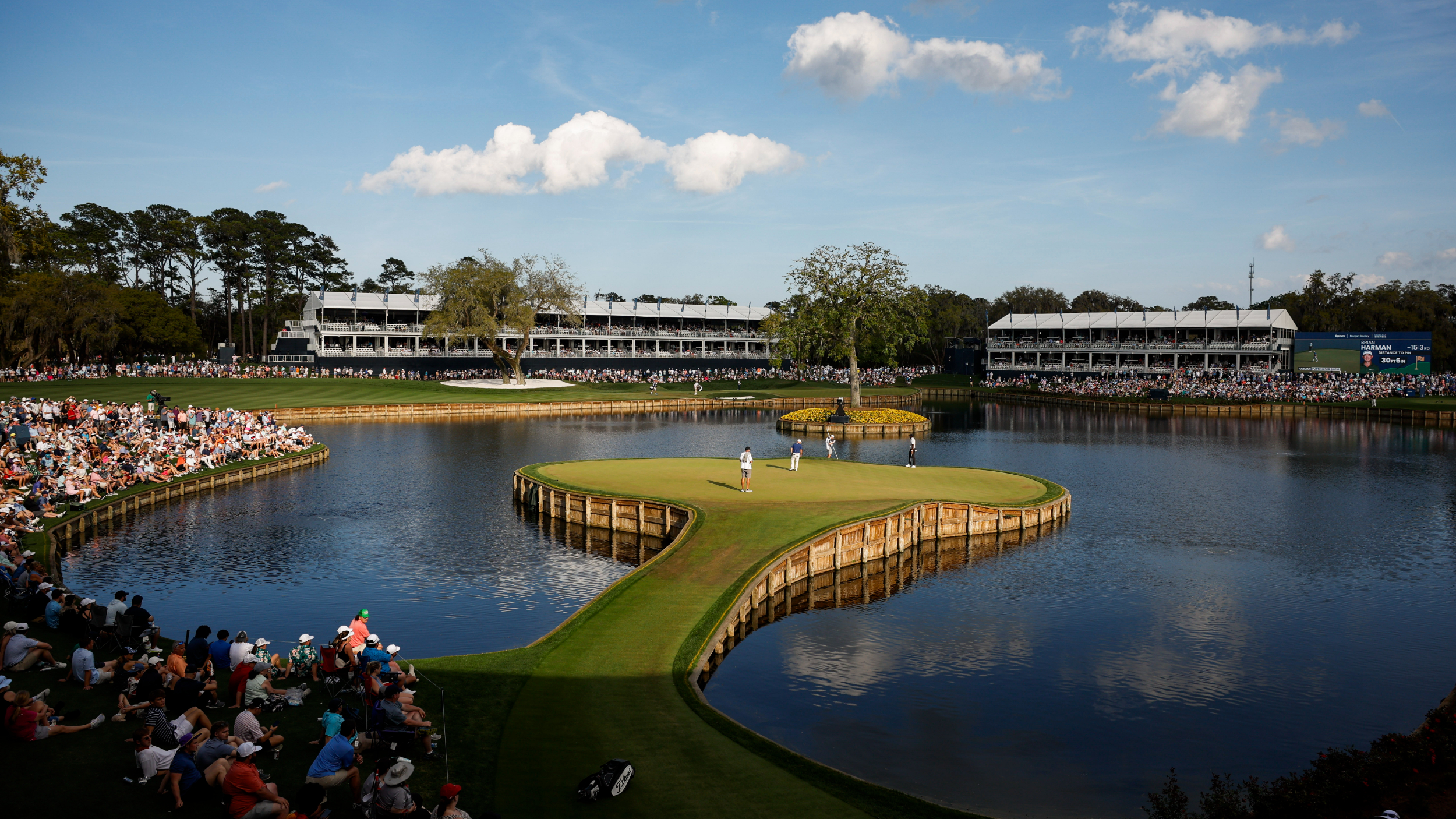

Rory’s Right: The Players Doesn’t Need a Fifth Major Crown—But It’s Telling That We’re Even Asking
I’ve been around professional golf long enough to know when the tour is searching for answers in the wrong places. Last week, Rory McIlroy waded into the conversation about whether The Players Championship should become the men’s game’s fifth Major, and while his traditionalist stance is refreshing, what really interests me is why this idea is gaining traction in the first place.
After 35 years covering this tour—and having spent time in Tom Lehman’s bag during some pretty pivotal moments—I can tell you that proposals like this one usually emerge when there’s underlying anxiety about relevance. The PGA Tour isn’t suddenly concerned about The Players’ quality; it’s concerned about its own positioning in a golf landscape that’s been fundamentally scrambled over the past three years.
The Real Issue Hiding Behind “March is Major”
Brandel Chamblee’s recent cheerleading for The Players as “the best Major” is marketing genius dressed up as editorial observation. The PGA Tour’s new tagline, “March is Major,” is clever branding—but here’s what it really tells me: the Tour is working overtime to create gravity around events that don’t inherently possess it. That’s not a bad strategy, mind you. It’s actually smart. But it’s also an admission that the traditional four Majors remain the sport’s true north star, and no amount of rebranding changes that.
McIlroy, to his credit, understood the subtext immediately:
“I’m a traditionalist, I’m a historian of the game. We have four Major championships. You know, if you want to see what five Major championships looks like, look at the women’s game. I don’t know how well that’s went for them.”
That’s not dismissive—it’s observational. The proliferation of Majors in women’s golf hasn’t created more clarity or prestige; it’s diluted both. And Rory’s not wrong to notice.
The Identity Question That Actually Matters
What strikes me most about this conversation is McIlroy’s broader point about identity. He’s suggesting that The Players doesn’t need the “Major” label because it already has something more valuable: a completely distinct identity. TPC Sawgrass, the Island Green, the clientele, the timing—these aren’t interchangeable with Augusta, Pebble, or Pinehurst. The Players stands alone precisely because it’s so specifically itself.
But then McIlroy pivots to something far more interesting. He suggests the PGA Championship should relocate back to August and reclaim “Glory’s Last Shot” as its defining narrative:
“I think glory’s last shot. I think it needs to go back to August.”
In my experience, this is a player paying attention to something the tour executives might still be missing. The PGA Championship has been wandering in search of an identity since it moved to May in 2019. It’s a fantastic event at wonderful venues, but it doesn’t own a specific moment in the calendar the way the other Majors do. That’s a fixable problem—and Rory’s identifying the fix. Bringing it back to late summer would give it back its role as the year’s climactic championship, the one where legendary finishes still mean something.
What Brooks and Patrick’s Return Really Signals
McIlroy spent some ink discussing Brooks Koepka’s return to the PGA Tour and Patrick Reed’s path back to full status through the DP World Tour. These aren’t just roster moves—they’re evidence of a stabilizing tour ecosystem. Three years ago, these moves would have seemed impossible. That they’re happening now matters enormously for tour morale and competitive depth.
What’s particularly shrewd about Rory’s commentary here is his acknowledgment of reality:
“The sentiment has definitely changed from, say, 18 months ago. You’re going to see guys are going to get to the end of their contracts and whether they’re going to get the money that they were paid the first time around remains to be seen.”
That’s honest talk. LIV’s initial spending spree isn’t sustainable at that level. Players are doing the math, and some are concluding that life back on the PGA Tour—especially with Signature Events and a rethought schedule—offers more stability and, frankly, more meaning. The competitive integrity of the tour was damaged by the exodus, but it’s being repaired.
The Scheffler Standard
But here’s what really caught my attention in all of this: Rory’s almost resigned acknowledgment that Scottie Scheffler has established a consistency that’s genuinely rare. Having watched the game since before Rory was born, I can confirm he’s right—we haven’t seen sustained excellence like this since Tiger’s peak years. Seventeen consecutive top-10 finishes isn’t a hot streak; it’s a different level of performance.
The significance? It means the tour has a defining narrative right now that doesn’t require gimmicks or rebranding. Scottie’s dominance is authentic and compelling. That’s worth more than five Majors would be.
What This Moment Really Represents
The Players Championship conversation is ultimately a symptom of health returning to professional golf. The tour is stable enough now to debate how to optimize greatness rather than how to survive. That’s progress. Rory’s traditionalist stance—keep four Majors, let The Players be phenomenal in its own right, fix the PGA Championship’s identity—isn’t conservative in a limiting way. It’s conservative in a strategic way. It respects the architecture of the game while acknowledging what needs adjustment.
Sometimes the right answer to “Should we add something?” is “No—let’s make sure what we have is working at its best.” That’s where we are.
