

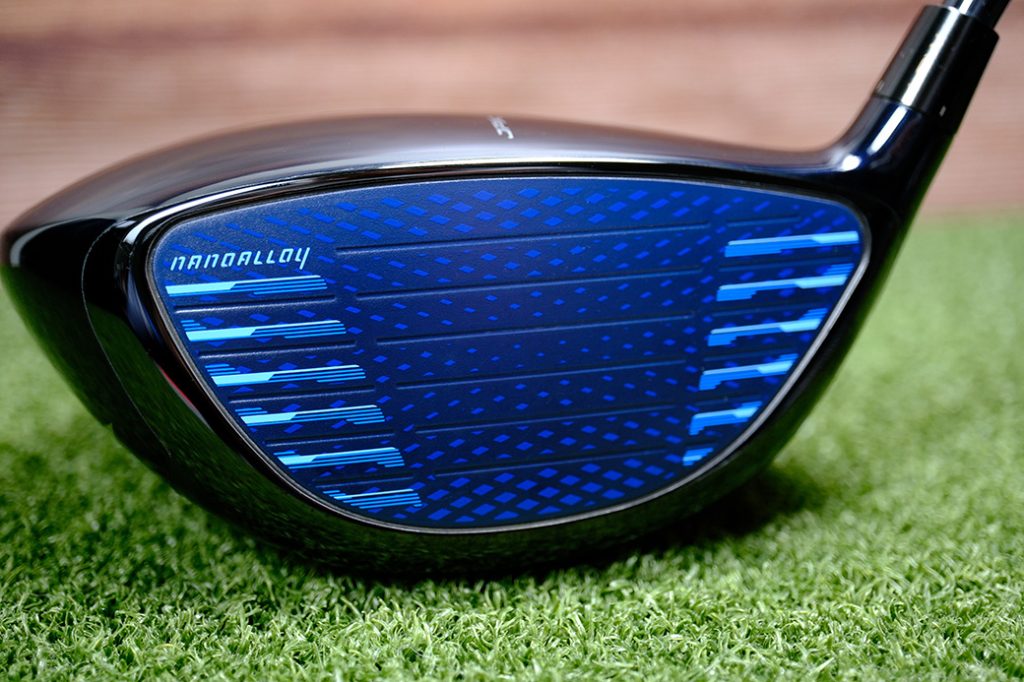

Alright, Duffers, Tyler Reed here, Equipment Editor for The Daily Duffer. I’ve been fitting clubs and scrutinizing golf tech for longer than I care to admit, and if there’s one thing I’ve learned, it’s that genuine innovation in golf equipment is often buried under a mound of marketing hyperbole. So, when I hear about a new driver making waves, especially something as unique as Mizuno’s JPX-ONE lineup with its “Nanoalloy” face, my BS detector goes immediately on high alert. But, I also get genuinely excited about advancements that actually help golfers.
The buzz surrounding the Mizuno JPX-ONE, particularly on the forums, has been significant. The headline feature is undoubtedly the Nanoalloy integration into the driver face, which the source describes as “unique and a first in the industry.” My initial thought? Prove it. My second thought? How does this impact ball speed, spin, and most importantly, consistency across the face? Manufacturers are always chasing that holy grail of higher ball speed, lower spin, and maximum forgiveness. The trick is achieving all three without compromising durability or feel.
The Nanoalloy Factor: Real Innovation or Marketing Gold?
Mizuno’s decision to bring Nanoalloy into the driver face is, on paper, genuinely interesting. In my experience testing hundreds of drivers on launch monitors like TrackMan and Foresight, face technology is paramount. Thinning the face for higher CT (Characteristic Time, which correlates to ball speed) is a constant battle for engineers, and new materials are often the key. Nanoalloy, typically known for its strength-to-weight ratio and elasticity, could theoretically allow for an even thinner, more resilient face. This could translate to higher ball speeds across a wider area of the face, boosting forgiveness on off-center strikes.
The source article highlights this material innovation:
“The addition of Nanoalloy is unique and a first in the industry on the driver face. We took a deep dive into how that all works and it is pretty fascinating.”
While the article doesn’t dive into the specifics of *how* it works beyond calling it “fascinating,” my guess is it’s allowing Mizuno to push the boundaries of legal COR (Coefficient of Restitution) limits more effectively, or perhaps improve the feel and durability without sacrificing ball speed. True performance gains here would show up directly in launch monitor data: a tighter dispersion of ball speeds on strikes across the face, indicating a higher MOI (Moment of Inertia) for ball speed, not just clubhead stability. What I’d be looking for in testing is not just peak ball speed, but how consistent those numbers are when you miss the sweet spot by a quarter or half an inch. A truly forgiving face technology maintains high ball speeds even on toe or heel hits, minimizing distance loss.

The UST Mamiya LIN-Q PowerCore Shaft: A Match Made in Heaven?
The JPX-ONE isn’t flying solo; the source makes a big deal about its pairing with the UST Mamiya LIN-Q PowerCore shaft.
“Pairing it with what is undoubtedly the most talked about shaft currently on the THP Forum by golfers, is a deadly combo. The UST Mamiya LIN-Q PowerCore is gaining steam with not just regular golfers, but growing quickly at the highest level as well. Including Ben Griffin who has had it in play for multiple wins.”
This isn’t just forum chatter; I’ve actively seen the LIN-Q PowerCore gain traction in my fitting bay. UST Mamiya has a solid reputation for producing high-quality shafts, and the PowerCore line, particularly the Blue 6X mentioned for the prize, is designed for stability and a mid-to-high launch with moderate spin. “PowerCore” typically refers to the shaft’s ability to maintain its shape throughout the swing, leading to better energy transfer and a more consistent impact. For golfers, this translates to predictable ball flight and, often, a slight bump in ball speed due to optimized delivery of the clubhead.
In my fitting experience, the shaft is often *more* critical to optimizing launch conditions than the driver head itself – assuming both are quality pieces of equipment. A well-matched shaft can transform a good head into a great one. For moderate-to-fast swing speed players (say, 95-105+ mph), a stable 6X shaft like the LIN-Q PowerCore Blue can prevent excessive spin, which is a common distance killer. Low spin drivers combined with high-launch shafts are a great recipe for optimal carry and total distance, but if the shaft promotes too much spin for a given head, you’re leaving yards on the table. The key is balance.

The “Lethal” Combo & The Data I’d Expect
The source claims this combo is “Lethal” and touts “pure performance. Speed. Forgiveness. Distance.” These are all buzzwords, but with the specific tech mentioned for both the head and shaft, these claims aren’t entirely unfounded. A Nanoalloy face, if implemented correctly, should indeed offer higher ball speeds than traditional titanium, leading to more speed and distance. And if it’s genuinely more resilient, it should maintain those speeds across a larger portion of the face, boosting “forgiveness” in terms of ball speed retention.
When I put a combo like this to the test, I’m looking for specific numbers:
- **Ball Speed:** A consistent 1.48-1.50+ Smash Factor (ball speed / clubhead speed) across different impact locations.
- **Launch Angle:** Optimal launch for most golfers is between 10-14 degrees, depending on swing speed and attack angle. The 10.5-degree head, if true to spec, should provide a good baseline.
- **Spin Rate:** This is often the biggest determinant of total distance. For most players trying to maximize distance, I’m aiming for 2000-2600 RPMs. The “PowerCore” aspect of the shaft should help dial this in.
- **Dispersion:** Tight shot patterns on the launch monitor are key. Good forgiveness means a smaller ellipse of landing locations, even with slight misses. This speaks to both MOI and face consistency.
The image showing “JPX-ONE featuring nanoalloy” reminds me heavily of other manufacturers’ attempts to highlight localized flex zones. The implication is that this material allows for greater flex and rebound where needed, without sacrificing the structural integrity of the entire face. This directly supports the ball speed and forgiveness claims.

Who Is This Combo For? Practical Buying Advice
Based on the advertised specs (10.5 loft, Blue 6X shaft) and the implied tech, this Mizuno JPX-ONE with the UST Mamiya LIN-Q PowerCore Blue 6X sounds like a solid option for a particular segment of golfers:
- **Mid-to-Low Handicap Players (or aspiring ones):** The 6X shaft typically suits players with moderate-to-fast swing speeds (95-105+ mph) who generate sufficient clubhead speed and might need help controlling spin for optimal distance.
- **Players Seeking Balance:** This combo seems designed to offer a good blend of launch, spin control, and forgiveness without sacrificing feel. It’s likely not an ultra-low spin “bomber” driver, nor is it overtly draw-biased. It’s a performance-oriented driver.
- **Those Who Prioritize Ball Speed:** If the Nanoalloy genuinely delivers on its promise, golfers should see some impressive ball speed retention across the face, helping maintain distance on those less-than-perfect strikes.
My advice, as always, is to get fitted. While this combo sounds promising, golf is a game of individuality. What works for Ben Griffin, or for the forum crowd, might not work for your unique swing. A 10.5-degree driver with a stiff (or X-Stiff, in this case) shaft is a great starting point for many, but your ideal launch angle, spin rate, and clubhead delivery are unique. Launch monitor data doesn’t lie, and a good fitter will help you determine if this “lethal combo” is truly lethal for *your* game.
In short, the Mizuno JPX-ONE with Nanoalloy face is genuinely intriguing and could represent a real step forward in driver technology if the material truly enhances performance in a measurable way. Paired with a proven performer like the UST Mamiya LIN-Q PowerCore, it creates a compelling package. Just remember to temper the hype with your own personal data – because that’s what truly makes a difference in your game.
