



Hey there, Duffer Fam! Alexis Morgan here, ready to chat about something that’s been on everyone’s mind, not just in the professional golf world, but for anyone juggling life’s daily demands. We’re talking about the art of compartmentalization – that incredible skill of keeping your focus where it needs to be, even when the world throws a hundred other things at you. And who better to learn from than someone like Jon Rahm, a player consistently performing at the highest level while navigating some serious off-course noise?
The Juggling Act: Beyond the Fairway
I’ve always believed golf isn’t just a game; it’s a microcosm of life. The mental fortitude, the discipline, the ability to reset after a bad shot – these are all skills we use daily, whether we’re on the course or tackling our to-do lists. Recently, Jon Rahm has been in the spotlight, not just for his incredible play, but for his ongoing discussions with the DP World Tour regarding his Ryder Cup eligibility. It’s a complex situation, with fines, event requirements, and the future of his participation hanging in the balance.
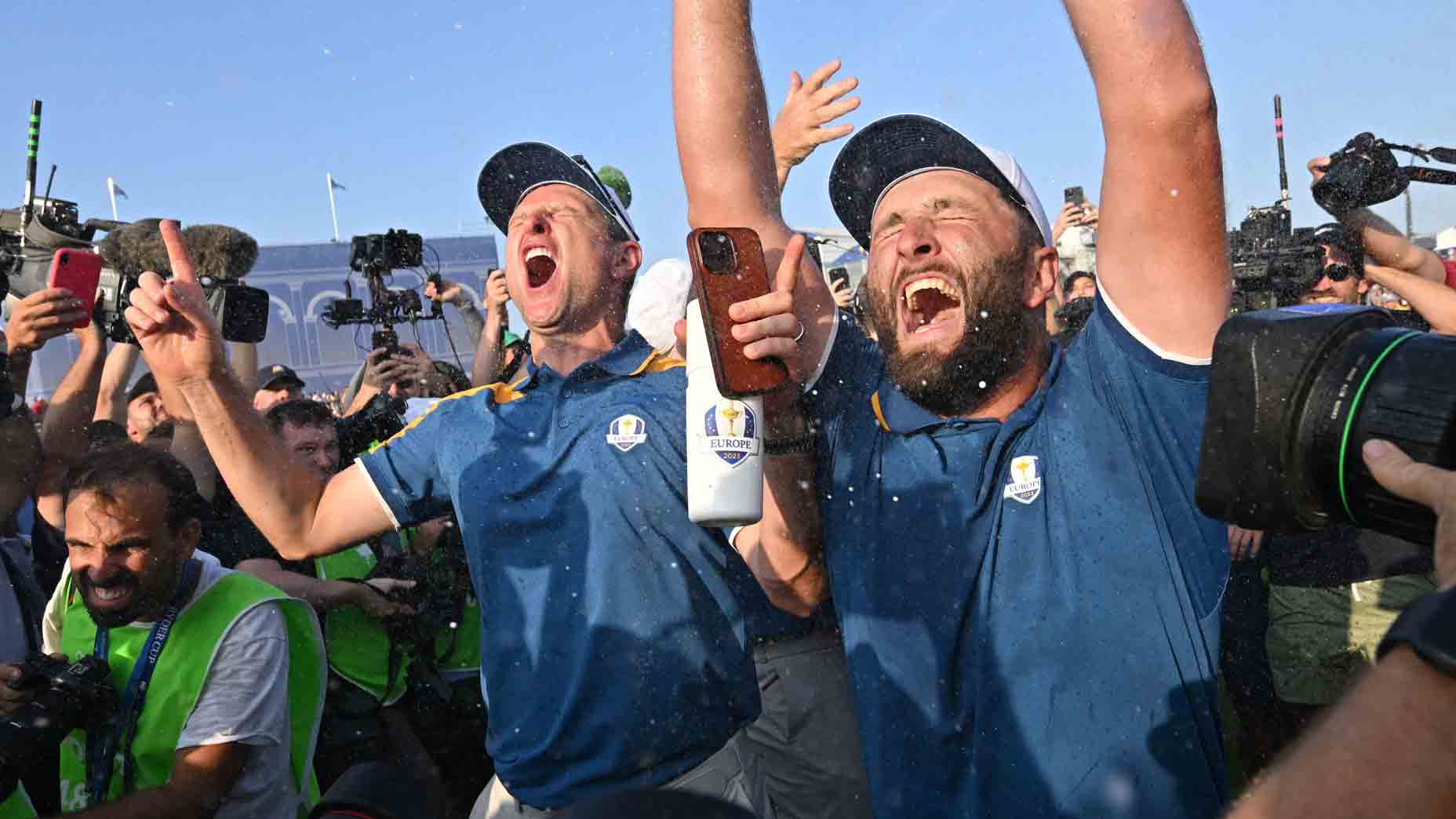
You might think this is just a pro golfer problem, but hear me out. How many of us have faced a demanding work project while dealing with family stress? Or tried to stay present during a friendly round of golf when your mind is racing with errands and appointments? It’s the same challenge, just on a different scale. Rahm’s perspective on keeping his head in the game, despite the external pressures, offers a fascinating lesson for all of us.
“I think, like anybody else in their job, you just need to learn how to compartmentalize. Kind of put things in the back of your mind and take care of what you can take care of. There’s some things that I can’t control. If I can’t control them, I really shouldn’t be worrying about it. What I can control is what I do on the golf course, my routines, how I prep, how committed I am to every step of the way.”
This isn’t just a pro athlete talking; it’s a human being offering a blueprint for resilience. For us everyday golfers, what does this look like? It means when you step onto the first tee, leave the office drama, the school run chaos, or the weekend chores right there in the parking lot. Dedicate those few hours to the game, to the fresh air, and to your swing.
Finding Your “Freeing Feeling”
Rahm goes on to describe the golf course as a place where he can let go of the external noise, find a “freeing feeling,” and focus solely on the present. I absolutely love that. We all need that sanctuary, that space where our minds can truly engage with the task at hand. For many of us, that’s precisely what golf offers.
“In essence, it’s kind of like a freeing feeling that I get when there’s a lot going on off the course that you get on the course and the only thing that matters is that so you can let things go.”
So, how can we cultivate this “freeing feeling” more often, not just on the golf course, but in other aspects of our lives? Here are a few actionable takeaways I’ve found incredibly useful:
1. Designate “Sacred” Spaces and Times
Just like Rahm has the golf course, identify your own sanctuaries. Maybe it’s your morning coffee ritual, your evening walk, or those precious hours you dedicate to practicing your short game. Protect these times fiercely. Turn off notifications, resist the urge to check emails, and truly be present.
2. Practice Mindful Transitions
Moving from one task or environment to another can be jarring. Take a few moments to consciously switch gears. Before you step onto the first tee, take a deep breath, stretch, and visualize your best shot. Before you dive into a demanding project at work, spend two minutes outlining your goals. These micro-transitions can significantly improve your focus.
3. Define Your “Controllables”
This is arguably the most powerful lesson from Rahm. He explicitly states, “If I can’t control them, I really shouldn’t be worrying about it.” This mindset is a game-changer. For us, this might mean accepting that you can’t control the weather on your golf day, or the market fluctuations impacting your investments. Focus your energy on what you *can* influence: your swing mechanics, your fitness routine, your attitude. Justin Rose, speaking on the Ryder Cup situation, echoed a similar sentiment regarding Rahm’s choices:
“For me, obviously playing on LIV was a decision that he made and wanted to make, and fair play to him for making it and good for him. He’s playing good golf out there. He’s winning. He’s making a lot of money, and he’s — you know, you can’t argue, can’t knock what he’s been able to achieve out there.”
Rose acknowledges Rahm’s choices and success, separating the decision to play LIV from the current DP World Tour conflict. It’s about respecting individual decisions while still hoping for a resolution.
4. Embrace the “First-World Problems” Perspective
Rahm’s candid reflection on his situation being a “first-world problem” is a refreshing dose of reality. While his challenges are significant in his professional sphere, it puts things into perspective. When we find ourselves stressed over a missed putt or a minor inconvenience, remembering this outlook can bring a much-needed sense of calm. Our golf lives, even with their frustrations, are often a privilege.
It’s clear that whether you’re a major champion or a weekend warrior, the ability to compartmentalize and maintain focus is a powerful tool for success and well-being. So, the next time you find your thoughts wandering on the course, or your energy pulled in too many directions in your daily life, channel your inner Jon Rahm. Take a deep breath, identify what you can control, and let the rest go. Your golf game (and your peace of mind!) will thank you for it.
