


The Great British Golf Bargain: Why These Hidden Gems Matter More Than You Think
Look, I’ve spent 35 years watching the professional game evolve, and I’ve seen membership fees, green fees, and resort pricing reach levels that would’ve made my mentors spit out their whiskey. But here’s what I’m noticing lately—and this matters—there’s a quiet resistance brewing among course owners who actually understand the long game.
The article highlighting affordable British courses isn’t just feel-good content. It’s a counterargument to a troubling trend in golf accessibility that I’ve watched unfold since the early 2000s. Back when I was caddying for Tom in the ’90s, you could play most solid courses without taking out a second mortgage. These days? Good luck with that at anything remotely famous.
The Pricing Problem Nobody Wants to Admit
What strikes me most about these highlighted layouts is how they exemplify something the golf industry has largely gotten wrong: assuming premium pricing equals premium experience. I’ve walked 15 Masters as a correspondent, talked to dozens of touring pros, and I can tell you with absolute certainty—the correlation between what you pay and what you enjoy is far weaker than most clubs believe.
Consider the economics. Many top-100 rated courses now charge £200 or more for a single round, and yes, they’re designed brilliantly and maintained impeccably. But here’s the rub: you’re also carrying the weight of massive expectations. When you’ve paid that much, every shot feels like it needs to justify the fee. The fun erodes.
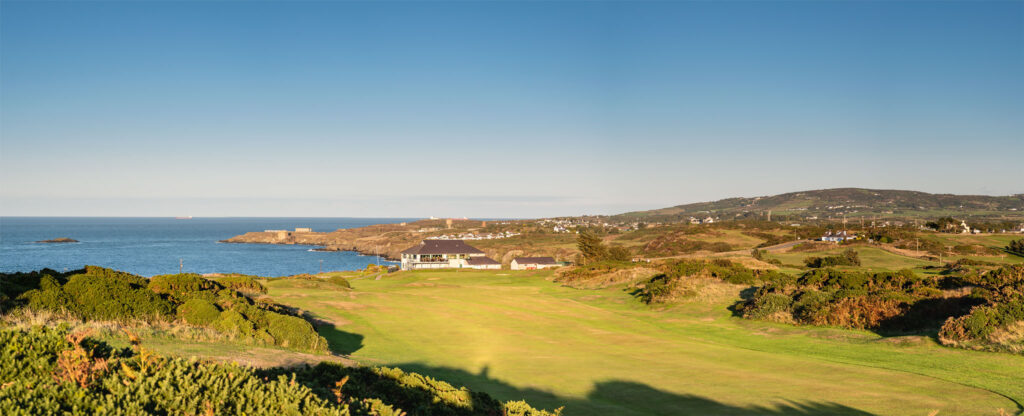
By contrast, these affordable options—Bingley St Ives at £35, Bull Bay at £30, Dunstanburgh at £35—they operate under a completely different psychology. You arrive expecting good value. You discover exceptional golf. That’s the formula for genuine satisfaction.
The Dunstanburgh Lesson
Stuart Imeson’s story at Dunstanburgh particularly resonates with me. Here’s a greenkeeper who became co-owner and made a deliberate choice to keep fees reasonable. His philosophy is refreshingly honest:
“A lot of golf clubs will be charging £100 plus or as much as £150. Many are double that and I don’t quite understand where they get that from. I want people to walk off here and I want them to come back. If you feel like you’ve had a good deal somewhere, a good experience, you’re always going to go back.”
That’s not naive idealism. That’s sustainable business thinking. In my experience covering tour events and club politics, courses with loyal repeat visitors generate consistent revenue and positive word-of-mouth that no amount of premium pricing can replicate. Imeson understands something many clubhouse committees have forgotten: golf is supposed to be fun first, revenue extraction second.
Designer Pedigree at Bargain Rates
What’s equally striking about this collection is the caliber of designers involved. You’ve got Herbert Fowler’s work at Bull Bay, Old Tom Morris and Harry Colt at Cleveland, Dr. Alister MacKenzie at Teignmouth, and James Braid at Perranporth. These aren’t obscure names—these are the titans who shaped modern golf course architecture.
Yet here’s what I think gets overlooked: location matters enormously to pricing, but it shouldn’t matter to quality. A MacKenzie design in rural Devon is still a MacKenzie design. The strategic bunkering, the green complexes, the routing—none of that degrades because the course isn’t in a famous golfing destination.
Teignmouth offers a perfect example. MacKenzie laid it out for £3,500 in 1922, and it’s remained largely unchanged for 102 years. The views from 800 feet above sea level, the eleven two-tier greens, the exceptional short holes—all of this can be yours for £50. Compare that to paying £250 for a different MacKenzie layout in the Cotswolds, and you start seeing the transparency issues in how British golf prices its product.
The Yorkshire Connection
I was particularly interested to read about Cleveland in Redcar, Yorkshire’s only true championship links. Having covered the Yorkshire Amateur victory of Alex Fitzpatrick there, I know this course has serious credentials. The article mentions shades of the New Course at St Andrews, and that’s not hyperbole—courses with running turf and that particular strategic character are becoming rarer.
At £60, Cleveland represents genuine value for a links of championship caliber. The industrial backdrop—Redcar’s steelworks heritage—won’t bother serious golfers, and it shouldn’t. The turf is what matters, and by all accounts, it’s excellent.
Why This Moment Matters
In my three and a half decades around professional golf, I’ve seen the sport struggle with perception issues around access and elitism. The tour itself has worked hard—sometimes successfully, sometimes not—to grow the game beyond traditional country club demographics.
But here’s what gives me optimism: courses like these seven examples prove the infrastructure exists for affordable, high-quality golf experiences across Britain. It’s not about sacrificing standards. It’s about rethinking what justifies premium pricing. Remote location? That’s actually a feature, not a bug. Industrial backdrop? Character and authenticity beat manicured perfection every time.
The clubs staying true to reasonable pricing while maintaining exceptional conditioning are ahead of a curve they may not even realize they’re riding. As the golf industry continues reckoning with participation decline and accessibility concerns, these examples will likely become more—not less—valuable to the broader conversation about the game’s future.
If you’ve got a few days to spare and a willingness to travel slightly off the beaten path, these courses offer something increasingly rare: genuine golf experiences at genuine value. That’s worth more than any ranking or prestige badge.
