


Usman Khawaja Withdraws from Australian Open Pro-Am Amid Controversy
Introduction
Usman Khawaja, the talented Australian batsman, has made headlines recently for his withdrawal from the upcoming Australian Open Pro-Am golf tournament. This decision, coming on the heels of his performance in the first Ashes Test, has sparked a flurry of reactions from fans and cricket analysts alike. Notably, Khawaja’s participation in golf just a day before the Test has raised eyebrows, leading to questions about professionalism and player preparation.
Khawaja’s Golfing Influences
Scheduled to participate at the Royal Melbourne Golf Club on December 3, Khawaja’s withdrawal is attributed to back spasms experienced during the intense first Test against England. At 38, Khawaja is making a crucial mark in his cricketing career, yet his ability to balance sports like cricket and golf has come under scrutiny. Many argue that playing golf could disrupt mental focus or lead to physical strains just before a significant match, while others believe it serves as a mental reset for players.
Performance in the First Test
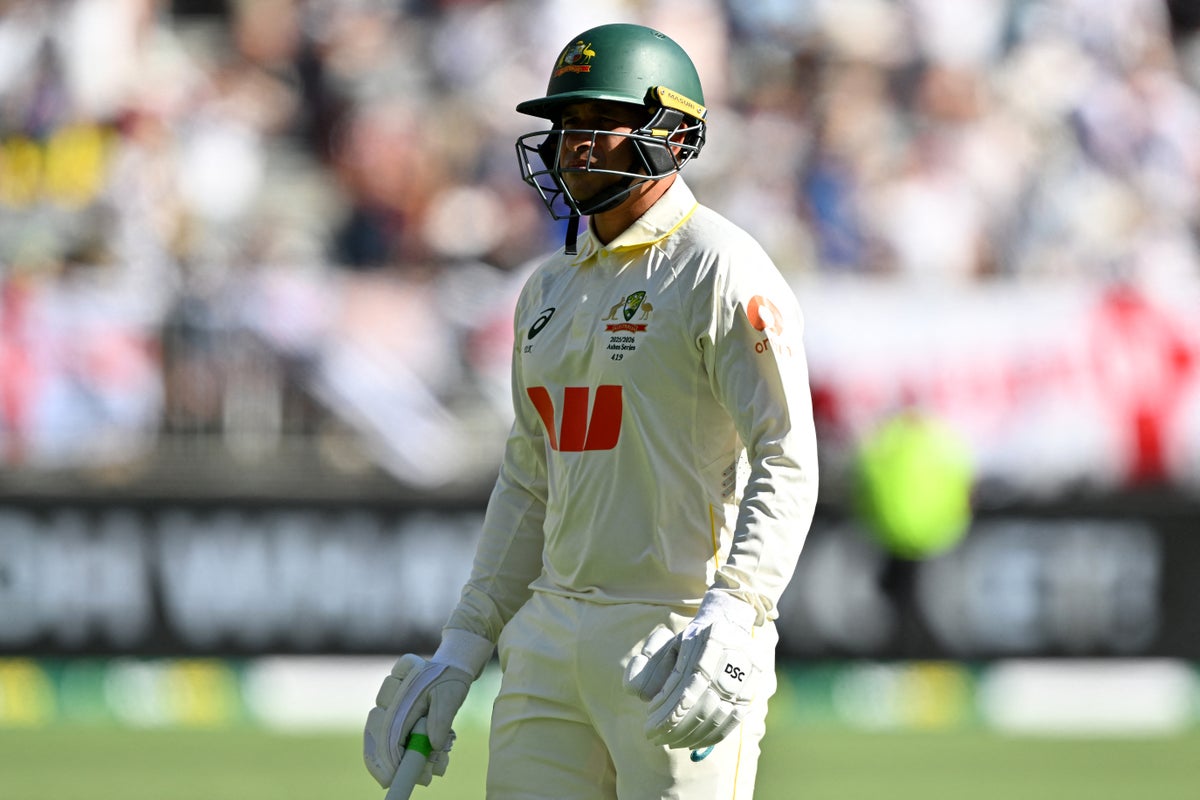
During the first Ashes Test, Khawaja’s physical condition impacted his performance. He did not open the batting as he typically would due to a peculiar situation: he left the field for treatment and did not return before the last wicket fell. This rule saw Australia’s designated No. 3, Marnus Labuschagne, and debutant Jake Weatherald stepping up to open, while Khawaja batted at No. 4, scoring only two runs before being dismissed. However, thanks to Travis Head’s remarkable innings, Khawaja was not called upon to bat further, raising questions about his readiness for the match.
Backlash and Controversy
Following Khawaja’s subpar performance and his decision to play golf before the Test, backlash from fans and former cricketers poured in. Former fast bowler Mitchell Johnson commented critically about the need for professionalism among players. He acknowledged that golf can be a good mental break but emphasized the importance of prioritizing training and game readiness over leisure activities, particularly before crucial matches.
Social Media Response
In a move that has divided opinions, Khawaja took to social media to post a picture of a golf course, seemingly as a subtle response to his critics. His post celebrated Australia’s victory in the first Test and included a supportive reply from team captain Pat Cummins. The golfer emoji used by Cummins hinted at an underlying camaraderie within the team, reinforcing that while individual actions may raise debate, collective team spirit remains intact.
Management’s Response
Amid the swirling criticism, Cricket Australia Chief Executive Todd Greenberg came to Khawaja’s defense. He emphasized that it is common for players to engage in activities like golf before significant matches, suggesting that stepping away from routines can help players manage mental pressures. Greenberg underscored Khawaja’s experience, stating that seasoned players understand their bodies and have their own methods for preparation.
Health Concerns and Future Outlook
As the Australian team gears up for the second Test at The Gabba, Khawaja’s health remains uncertain. Coach Andrew McDonald expressed the need for further medical investigation regarding Khawaja’s back issue, indicating that it might be more serious than initially deemed. With the health of key players being paramount, the team is closely monitoring Khawaja’s condition as they approach a crucial phase in the Ashes series.
Maintaining Focus Through Adversity
For athletes like Usman Khawaja, the pressures of both performance and expectation can lead to intense scrutiny from fans and media. Balancing leisure activities against the demands of professional sports can be tricky. However, finding effective ways to manage stress, be it through golf, other sports, or relaxation techniques, could ultimately enhance performance rather than hinder it.
Conclusion
As Khawaja navigates the dual paths of professional cricket and personal leisure, his decisions will continue to spark dialogue within the sporting community. His experience, both on the field and off, remains essential as he strives to contribute significantly to Australia’s cricketing successes. With the focus now shifting to his recovery and readiness for the next match, supporters will be keenly watching how he responds both physically and mentally in this ongoing series against England.
Reflection on Professionalism in Sports
The incident involving Usman Khawaja presents a broader perspective on professionalism in sports. While athletes are expected to maintain peak performance, the mental aspect of sports can often be overlooked. Healing both physically and psychologically remains crucial for sustained success. As the debate about the balance between relaxation and professionalism continues, fans are reminded of the human element behind outstanding athletic performances.
