


Zero Torque Putters: Hype or Holy Grail? My Take as a Fitter
As the Equipment Editor for The Daily Duffer and someone who’s spent countless hours dissecting golf clubs, from drivers to wedges, on launch monitors and fitting bays, I’ve seen my share of “game-changing” technologies. Some genuinely move the needle for golfers; others are just clever marketing wrapped in shiny new packaging. So, when “zero torque” started popping up in putter design, my immediate reaction was a healthy dose of skepticism, quickly followed by a need to get it on the turf and, more importantly, in the hands of real golfers.
The premise, as the recent Daily Duffer putter-type comparison highlighted, is elegantly simple:
“Zero torque is one of the fastest-growing concepts in putter design. The premise is simple: reduce unwanted face twist and help golfers return the face to square more consistently.”
In theory, who wouldn’t want that? Putter face angle at impact is one of the single biggest determinants of start line. Even a degree or two off can mean a missed putt, especially as the distance increases. My own experience fitting hundreds of golfers confirms this; many struggling putters exhibit significant face rotation through impact, often trying to “steer” the putter or compensate for a poor path. The idea that a putter could inherently resist this twist, boosting stability and consistency, is compelling.
What Zero Torque Actually Does (and Doesn’t Do)
When we talk about “zero torque” in putters, we’re fundamentally discussing an increase in Moment of Inertia (MOI), particularly around the putter’s center of gravity. Traditional mallets have long pursued high MOI, distributing weight away from the face to resist twisting on off-center strikes. Zero-torque designs take this to another level, often using unique head shapes and extreme weighting to minimize rotational movement during the stroke itself, not just at impact.
The source article nails what this technology aims to achieve:
“Zero-torque designs are engineered so the putter head resists twisting during the stroke. Instead of feeling like you have to time the release or manually square the face, the head wants to stay more stable.”
In my fitting bay, using high-speed cameras and SAM PuttLab, I’ve observed a noticeable reduction in face rotation for players using these designs, especially those with more active hands or tendencies to decelerate. This can translate directly into a more consistent face angle at impact, which is gold for start line offline. If you’re someone who frequently pushes or pulls short putts, seeing the ball consistently start on your intended line is a confidence booster no golf tech can truly quantify.
However, it’s crucial to understand the limitations. While zero torque excels at face stability, it’s not a magic wand for all putting woes. As the article correctly points out:
“What zero torque does not automatically control is speed, leave distance or how a putter performs from specific ranges.”
This is where the golfer’s touch, read, and stroke mechanics still reign supreme. A stable face is fantastic, but if you’re consistently hitting putts too hard or too soft, or misreading greens, even the most stable putter won’t save you.
The 2025 Data: Performance Varies, and That’s Key
The 2025 Most Wanted Zero-Torque Putter test, with its impressive 10,880 putts across 17 models, provides compelling data. The fact that the top zero-torque model tied with the top mallet in PuttView Handicap immediately validates the category’s performance. This isn’t just marketing fluff; these putters can genuinely compete at the highest level.
But what truly jumped out at me from the data was the significant performance variation within the zero-torque category itself. This echoes what I’ve consistently found in my own testing and fitting sessions:
| Putter | Short | Medium | Long |
|---|---|---|---|
| L.A.B. OZ.1i | -8.1 | -5.8 | -8.7 |
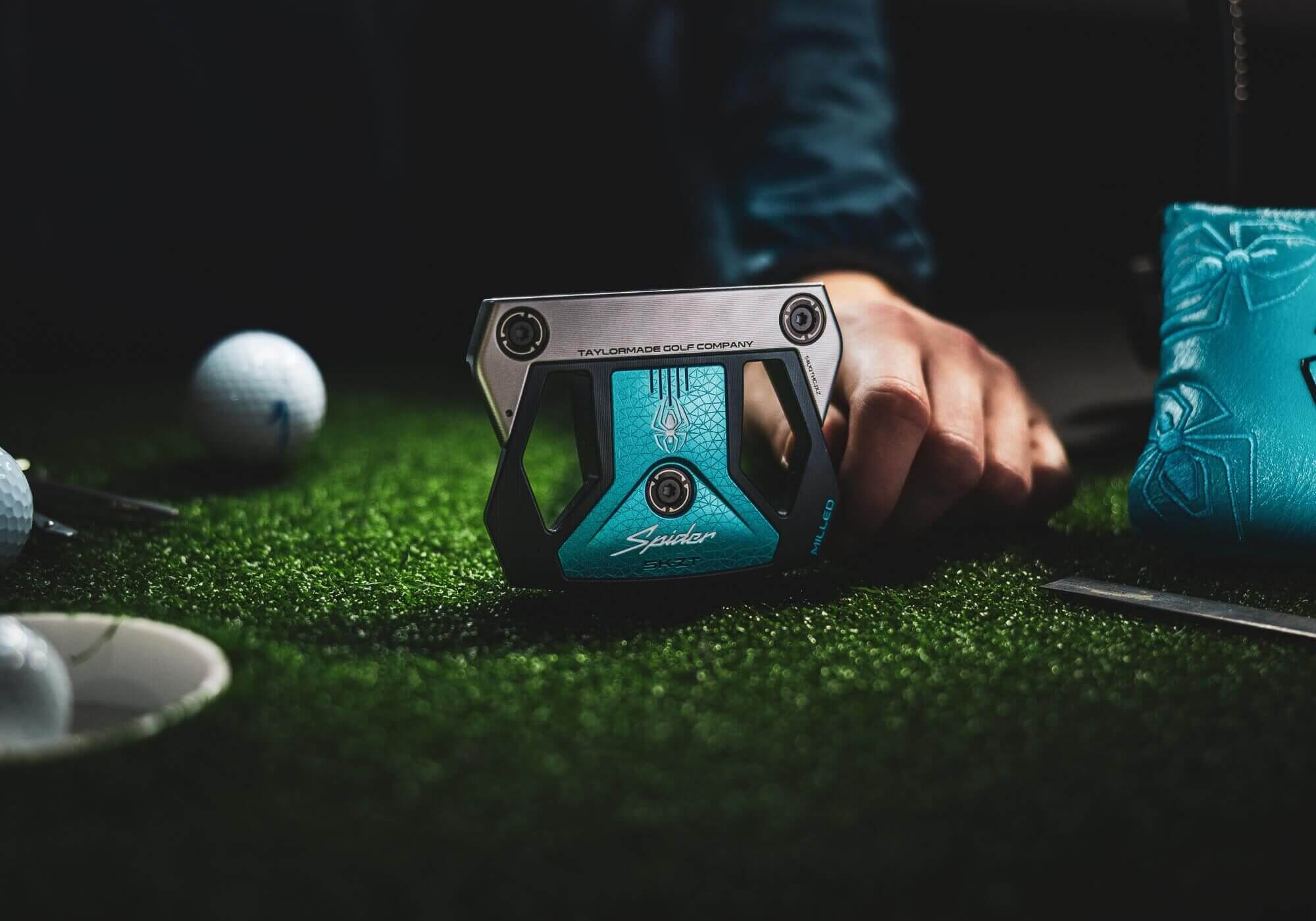
| TaylorMade Spider 5K ZT | -5.5 | -7.0 | -10.2 |
| Bettinardi Antidote SB2 | -6.4 | -7.7 | -6.0 |
| PXG Allan | -8.0 | -2.6 | -8.3 |
Looking at these numbers, the “one-size-fits-all” myth quickly unravels. The TaylorMade Spider 5K ZT, for example, dominated long putts, delivering a -10.2 PuttView Handicap. This suggests its particular weight distribution and feel might be conducive to a consistent stroke length and tempo on longer green surfaces. Conversely, the Bettinardi Antidote SB2 shined brightest at medium range (-7.7), a distance that, as the article notes, “has historically been one of the biggest scoring differentiators in putter testing.”
And then there’s the PXG Allan, excellent short and long, but with a noticeable dip at medium range (-2.6). This isn’t a knock on the putter, but rather highlights how subtly different designs, even within the same “zero-torque” umbrella, can interact with a golfer’s stroke and perception of feel at various distances. It reinforces my belief that even with groundbreaking technology, individual fit remains paramount.
Who Benefits, and Why Fitting is Non-Negotiable
Based on the data and my extensive fitting background, zero-torque putters are absolutely a viable option for many golfers, particularly those who:
- **Struggle with face rotation:** If your launch monitor data consistently shows an open or closed face at impact, especially on shorter putts, the inherent stability of a zero-torque design can be a significant advantage.
- **Have an inconsistent path:** While zero torque primarily addresses face, a more stable head can sometimes encourage a smoother, more repeatable path.
- **Seek forgiveness:** Similar to high-MOI drivers and irons, the added stability of these putters reduces the penalty for slight mishits, keeping the ball closer to your intended line.
However, and I cannot stress this enough, you still need to get fitted. The concept of zero torque is powerful, but it’s not a unified performance profile. Just like different drivers cater to different spin and launch needs, zero-torque putters perform differently across various distances and for different feels. The “best” zero-torque putter for the golfer who wants to drain 20-footers might be completely different from the golfer whose priority is consistent 4-footers.
The feel, the grip, the balance, and how it interacts with your eye-line and stroke arc all contribute to putting performance. These are subjective elements that no blanket category description can address. That’s why I always tell golfers:
Don’t buy into the hype of a category alone. Buy into the specific club that performs best for *your* stroke.
Zero torque is not the “magic trick” it’s sometimes portrayed as. It’s a legitimate technological advancement that offers real benefits in face stability. But it’s still a tool, and like any tool, its effectiveness is maximized when it’s precisely matched to the user. Get on a launch monitor, get fit, and let the data guide you to the putter that truly helps you sink more putts.
