


The Ryder Cup Team Selection: Analyzing New Paths for 2025
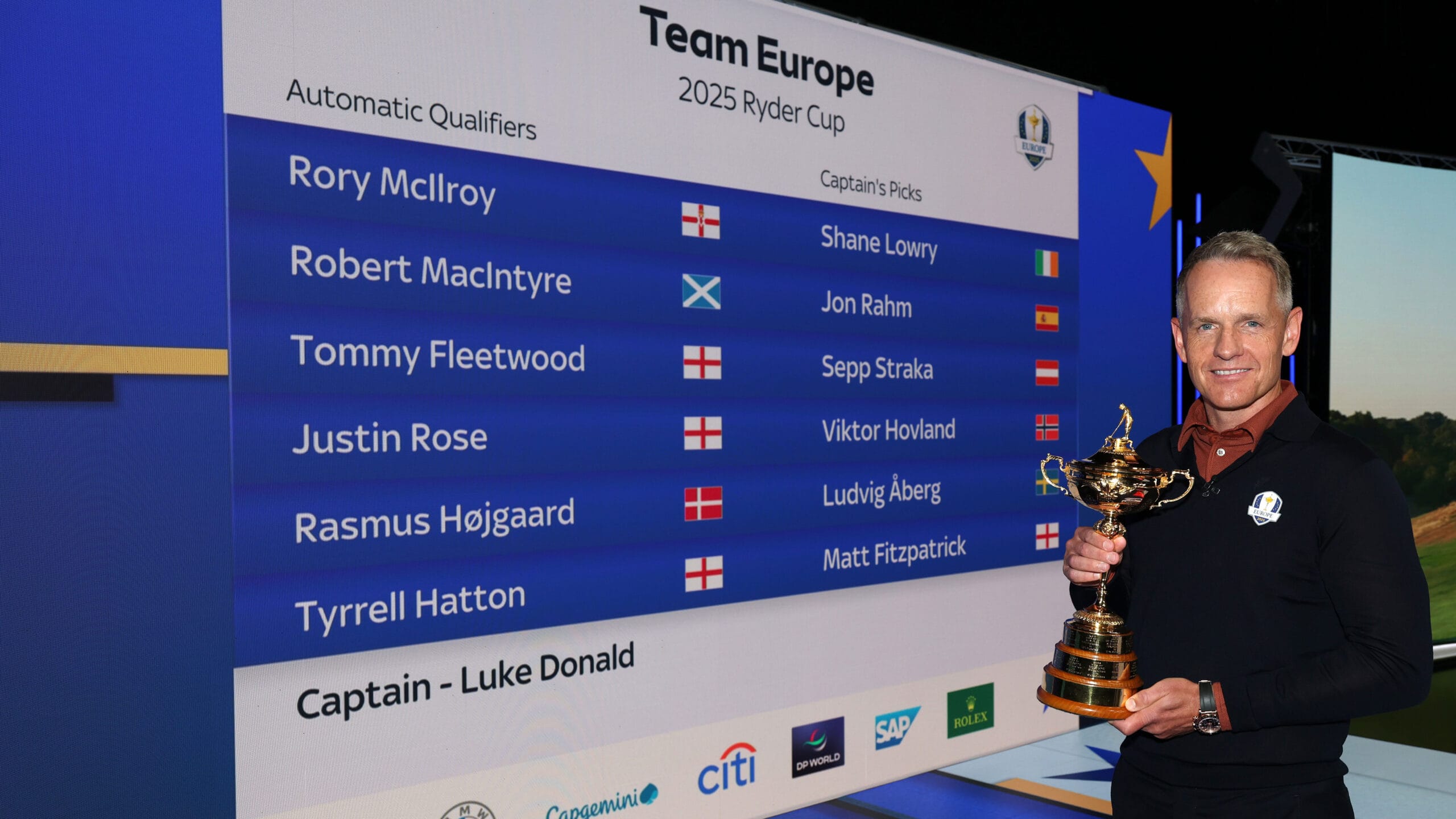
As the anticipation mounts for the 2025 Ryder Cup at Bethpage Black in New York, golf enthusiasts are reflecting on the recent team selections by captains Luke Donald and Keegan Bradley. With Europe announcing their least changed lineup in Ryder Cup history, only adding Rasmus Hojgaard in place of his brother Nicolai, the debate around alternative selection methods is heating up. Could there be innovative approaches to finalizing the 12-man roster? In this article, we explore several potential methods to revamp the selection process, aiming to enhance competitiveness and fan engagement.
Understanding Current Ryder Cup Selections
Currently, the Ryder Cup selection process consists of a mix of automatic qualifiers and captain’s picks. For Europe, specific players like Rory McIlroy and Jon Rahm successfully secured automatic spots, while captain Donald had the discretion to fill the remaining slots. On the U.S. side, Keegan Bradley’s choices, including Justin Thomas and Collin Morikawa, sparked their own discussions. But do these traditional methods still serve today’s landscape of golf effectively? Perhaps it’s time to think creatively.
Alternative Qualification Approaches: The Captain’s Picks
One radical improvement could involve eliminating the automatic qualifications altogether and allowing captains to choose the entire team. While this idea might sound adventurous, it poses serious risks. Would captains truly dare to select players outside the norm, potentially alienating strong contenders? The allure of camaraderie might unscrupulously sway selections. Imagine a scenario where an old friend is picked over a top-ranked player—such risky moves could lead to explosive public fallout and fan unrest.
The Case for a Straightforward Top 12 Format
The current system could also adapt to a more transparent approach: a straightforward top 12 qualification list without any wildcard picks. Although this method simplifies the selection process, making such adjustments may backfire. Captains, stripped of their ability to select players in form, might find themselves at a disadvantage if a key athlete underperforms just before the competition. This option presents a striking balance between fairness and competitive merit but could overlook critical last-minute performances.
Introducing a Matchplay Contest for the Last Spot
A captivating idea could be a made-for-TV matchplay tournament to select the 12th spot on each team. The top 11 would automatically qualify, while the next eight players engage in a mini-tournament to determine the final selection. This dynamic format would elevate excitement levels, leveraging the competitive spirit inherent in matchplay. Such an innovation could not only create heightened drama but also offer golf fans a compelling reason to tune in.
Fan Participation: The Absurd Yet Engaging Vote
What if golf fans could wield the power to influence team selections? While this concept—allowing fan votes on players—may seem inconceivable, it encourages unprecedented engagement in the sport. It would shift the narrative of fan involvement to new heights, turning team selection into an event. However, one must question the implications: would this ruin the integrity of the Ryder Cup, or could it enhance community connections? After all, we’re talking about the Ryder Cup, not a reality TV show.
A One-Off Qualifying Event: Fun and Fairness Combined
The idea of holding a one-off qualifying event makes for intriguing discussion. Imagine a televised 36-hole tournament where the top 30 players vie for a spot in the Ryder Cup team. While it may seem unfair to those who have excelled throughout the season, this format embodies the essence of high-pressure golf. Players would face off in a combination of stroke play and matchplay, emphasizing their ability to perform under the spotlight—everything the Ryder Cup embodies.
The Monday Qualifier: Final Chance Showdown
Last but not least, consider a “Monday qualifier” as a final opportunity for those narrowly missing selection. Following the announcement of the teams, a group of players who just missed out—be it from Europe or the U.S.—could compete for one last spot. This event would inject additional excitement leading into the Ryder Cup, offering one more layer of tension leading up to the main event. Imagine the buzz as players grapple for their final chance!
Pros and Cons of Alternative Approaches
While each proposed method holds merit, they also present challenges. Allowing total captain discretion could lead to controversy, while fan votes might dilute the integrity of the selection process. The straightforward top 12 qualification simplifies understanding and transparency but could overlook exceptional performances in vital moments. Innovations like matchplay contests or the Monday qualifier engage fans and foster competitiveness but may silently eclipse deserving players.
What Lies Ahead: The Future of Ryder Cup Selections
In closing, as the Ryder Cup series evolves, so too should the methods of selecting teams. The competition is always fierce, and understanding that change may ultimately enrich the experience for players and fans alike is essential. Everyone anticipates the excitement of Bethpage Black in 2025, where golf’s finest will battle it out for supremacy. The outcome of these matches could echo far beyond the fairways, shaping the future of this prestigious event.
Join the Conversation: Your Thoughts Matter
So, what do you think about these alternative paths for Ryder Cup selections? Are there methods you believe would create a more exciting or fair competition? Join the conversation in the comments below, and let’s discuss how the beloved Ryder Cup could adapt in the years to come. After all, golf is more than a game; it’s a community united through shared passion and enthusiasm.
As always, stay tuned for more insights, analyses, and updates leading up to the Ryder Cup!
