


Understanding PGA Tour Player Perspectives: A Deep Dive into Current Tensions and Perspectives
The Collective Mind of PGA Tour Members
In the world of professional golf, particularly on the PGA Tour, there’s a striking phenomenon that many players experience—a tendency toward what one might call "groupthink." This pervasive mindset isn’t merely a byproduct of shared experiences; it underscores the lifestyles of these athletes who often live in close proximity to one another in tax-friendly regions. As a cohesive unit, they share not just physical spaces, but also modes of thinking, especially when it comes to their approach to tournaments.
The Dichotomy of Optimism in Press Interactions
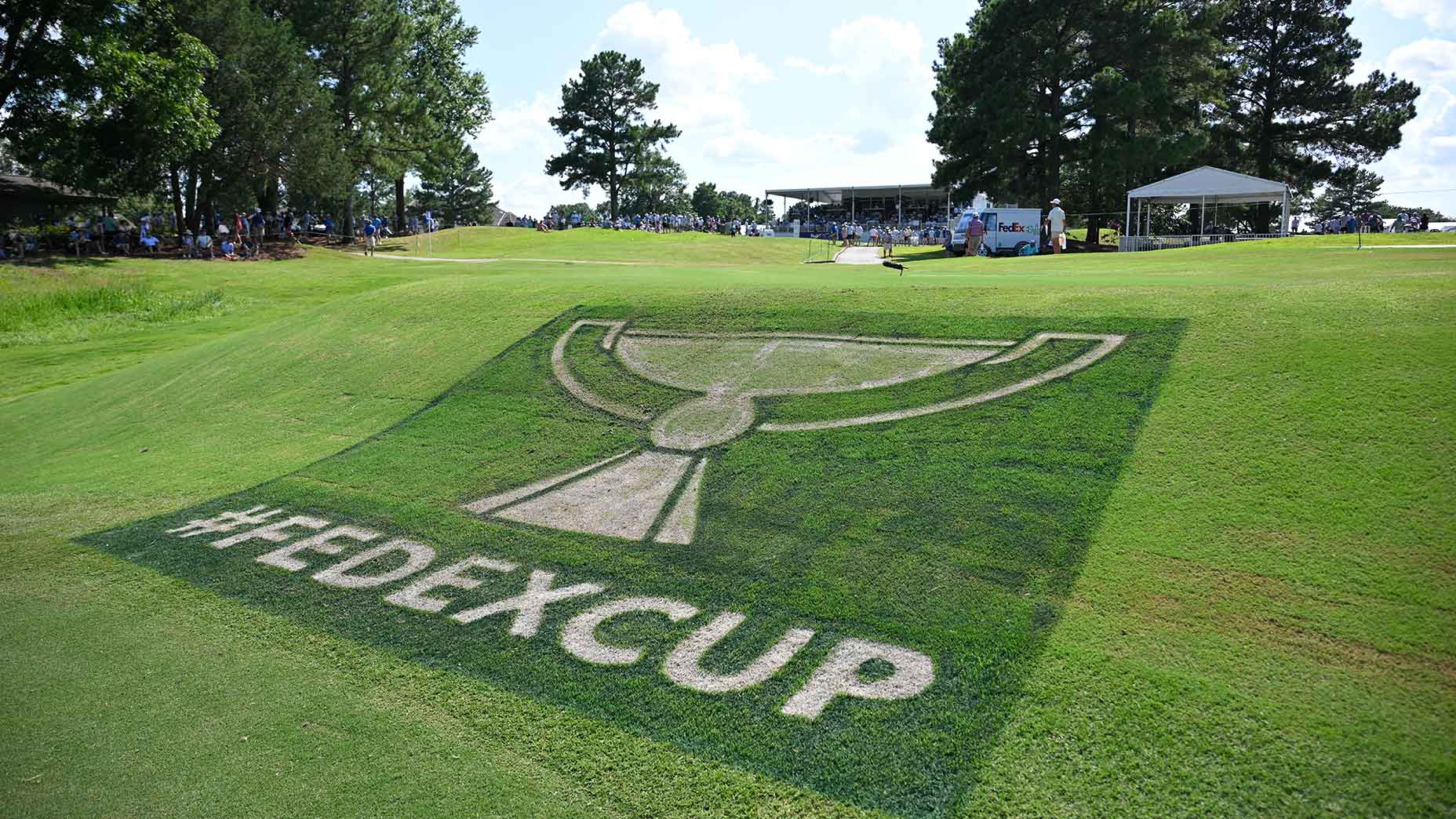
Positivity often permeates the rhetoric of PGA Tour players. Phrases such as “the course is great,” or “the greens are fantastic,” serve as common tropes in player interviews. Yet, beneath this veneer of enthusiasm lies a more complex reality, often revealed in the moments when players express indifference. For instance, during this week’s crucial stage of the FedEx Cup Playoffs, several top competitors seemed less invested, raising questions about their focus and motivations.
Rory McIlroy’s Press Conference: A Case Study
Rory McIlroy’s press availability provides a telling illustration of this sentiment. When asked about the tournament’s new format—eliminating "Starting Strokes"—his answer was punctuated by the phrase "I guess" on four separate occasions. This unclear enthusiasm indicates a general ambivalence toward the tournament structure and a lack of urgency in the current playoff format. It becomes clear that McIlroy, while competing, has his sights set elsewhere, particularly on the upcoming DP World Tour’s Race to Dubai.
Fatigue and Prioritization in a Busy Schedule
Notably, McIlroy chose to skip the initial leg of the FedEx Cup Playoffs to reserve energy for what he anticipates will be a grueling remainder of 2025. His strategic prioritization highlights an ongoing dilemma faced by players who must balance their commitments across different tours and events. This consideration of personal well-being amid demanding schedules reveals a layered understanding of what it means to be a professional athlete in today’s competitive landscape.
Jason Day’s Plea for Change
Another prominent figure, Jason Day, has expressed a desire to relocate the FedEx Cup playoffs away from the humid summer climate of Memphis, advocating instead for a return to more iconic venues. He reminisced about high-profile stops in cities like New York, Chicago, and Boston that have long been associated with the PGA Tour. Day’s comments reflect a broader yearning among players for venues that not only hold personal significance but also enhance the tournament’s stature.
Scottie Scheffler: A Mixed Bag of Opinions
Scottie Scheffler’s press interactions provide further insight into the players’ mindset regarding the FedEx Cup format. While he acknowledged that this year’s alterations improved upon the previous systems, his comments indicated a lingering dissatisfaction with the playoff structure itself. He raised fundamental questions about the efficacy of the FedEx Cup in genuinely determining the best player of the season, suggesting that the current system may lack the thrill and engagement that fans expect.
The Call for a Consistent Format
The general consensus on the flaws within the FedEx Cup Playoffs raises an essential question: how much longer can this inconsistent format persist without a significant overhaul? Addressing this concern must happen at the organizational level if the PGA Tour is to maintain its credibility and the players’ loyalty. A stable, well-defined format could foster a more significant fan engagement and imbue the playoffs with the respect they deserve, a sentiment echoed by several players.
Ryder Cup Buzz Overshadowing Immediate Events
Amidst the backdrop of the BMW Championship, discussion frequently veered toward the upcoming Ryder Cup, which, while significant, overshadowed the immediate tournament. Scheffler’s light-hearted yet pointed defense of focusing on the current event speaks volumes about the players’ desire to stay present. Having to juggle conversations about future events while preparing for an ongoing tournament illustrates the dual pressures faced by professional golfers today.
Conclusion: A Need for Reevaluation
Ultimately, the prevailing mood among PGA Tour players suggests a need for reevaluation—not just of the playoff structures, but also how events are marketed and presented. Players like McIlroy and Scheffler are increasingly aware of the importance of both personal health and the long-term viability of the sport. As they enter crucial phases of their careers, their insights could spark much-needed dialogue about the future direction of the PGA Tour.
Looking Ahead: The Future of the PGA Tour
As the PGA Tour continues to evolve, embracing the perspectives of its players will be vital for its growth. Balancing the demands of modern athletes with the need for fan engagement will require an adaptive strategy. With insights from stars like Day, Scheffler, and McIlroy, it’s clear that change is not only needed but expected, shaping the landscapes of both the PGA and professional golf as a whole.
