

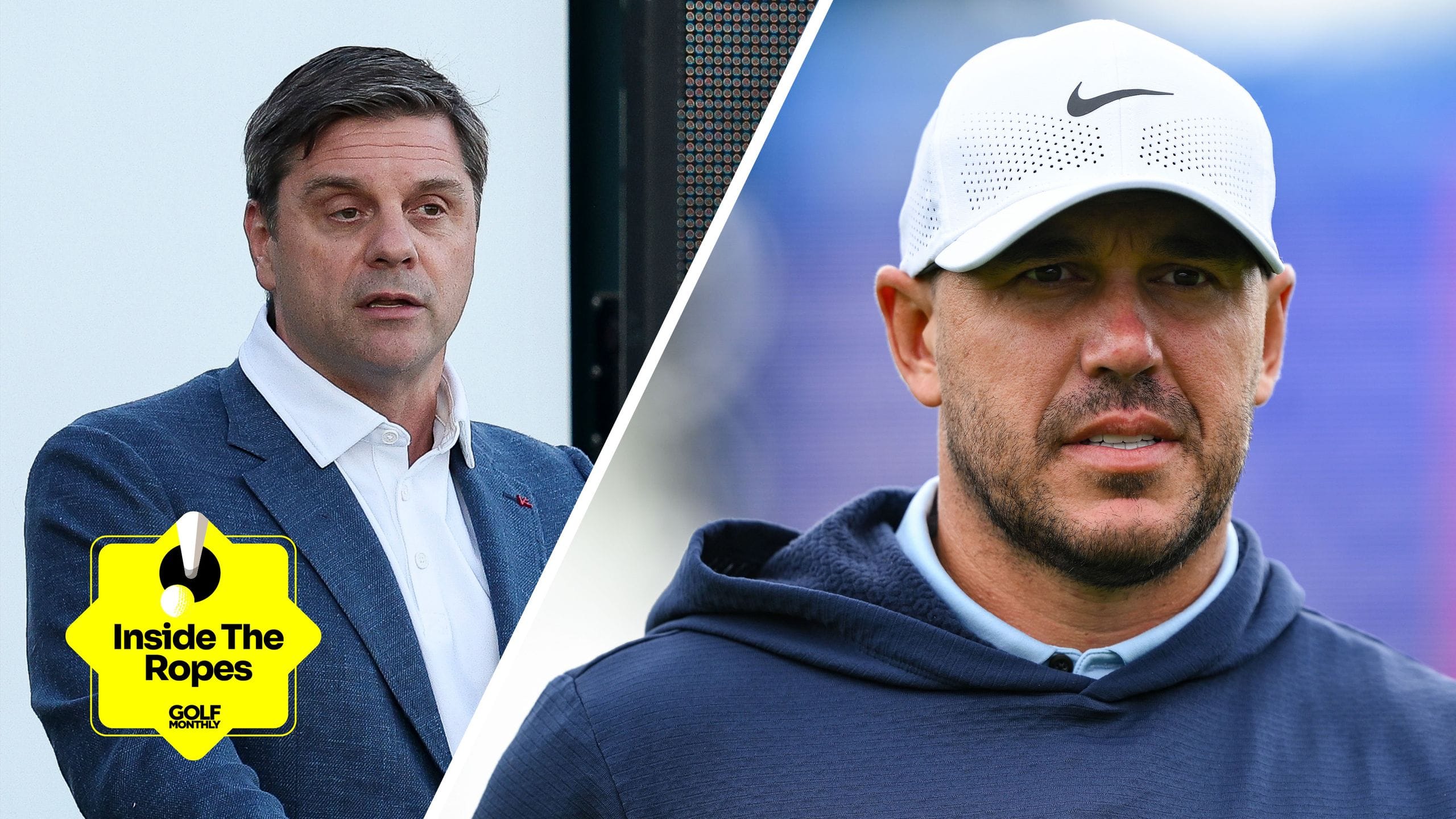

Should the PGA Tour Revise the Returning Member Program to Attract LIV Golfers?
Patrick Reed, a prominent figure in professional golf, has expressed a willingness to return to the PGA Tour under the same conditions offered to Brooks Koepka. This raises an important question: Should the PGA Tour consider revising its Returning Member Program to entice more LIV golfers back into its ranks?
Background on the LIV Golf Controversy
The LIV Golf series has sparked significant debate within the golfing community, creating divisions among players, fans, and sponsors. The program was initially designed to support players returning to the PGA Tour after their stint on the LIV circuit.
Key Considerations for Revising the Program:
Compensation Equality: At the core of Reed’s statement is the concept of equalizing financial incentives. Brooks Koepka, among others, received favorable terms upon his return, which has set a precedent. If the PGA Tour wishes to attract more LIV players, it must consider offering similar packages.
Player Relations: Many players feel a strong allegiance to the PGA Tour, which has historically been the main platform for professional golf. Revising the Returning Member Program could enhance relations and possibly mend fences with those who have chosen to play elsewhere.
- Tour Dynamics: The competitive balance of the PGA Tour could shift significantly with the return of key players from LIV. Their presence would not only elevate the quality of competition but also drive fan engagement and sponsorship interest.
Potential Benefits of Program Adjustments
Revising the Returning Member Program could yield several benefits for the PGA Tour:
- Increased Player Participation: More former winners and star players returning could draw larger crowds to tournaments.
- Enhanced Marketability: High-profile players can enhance the overall brand of the PGA Tour and its events.
- Sustained Growth: Attracting players from LIV could reinforce the Tour’s dominance and prominence in professional golf.
Conclusion
As the golf landscape continues to evolve, the PGA Tour must be proactive in addressing players’ needs and desires. If former LIV golfers, such as Patrick Reed, are willing to return, it may be time for Brian Rolapp and the PGA leadership to rethink the parameters of the Returning Member Program. By doing so, they could not only reclaim top talent but also fortify the Tour’s legacy for future generations.
In this dynamic environment, staying ahead can make all the difference in retaining the tour’s competitive edge and appeal to players and fans alike.
