


The Emergence of "Unicorns" in Golf Architecture: A Look into David McLay Kidd’s River Ranch Golf Resort
In recent years, the term "unicorn" has transcended its usual connection to fantasy and tech startups, making a splash in the world of golf course architecture. A unicorn, traditionally understood as a privately held startup valued at over a billion dollars, has recently found resonance with golf enthusiasts and architecture buffs alike. Notably, acclaimed architect David McLay Kidd invoked this term while announcing his latest project, the River Ranch Golf Resort, situated in the scenic regions of southwest Washington.
The Allure of River Ranch Golf Resort
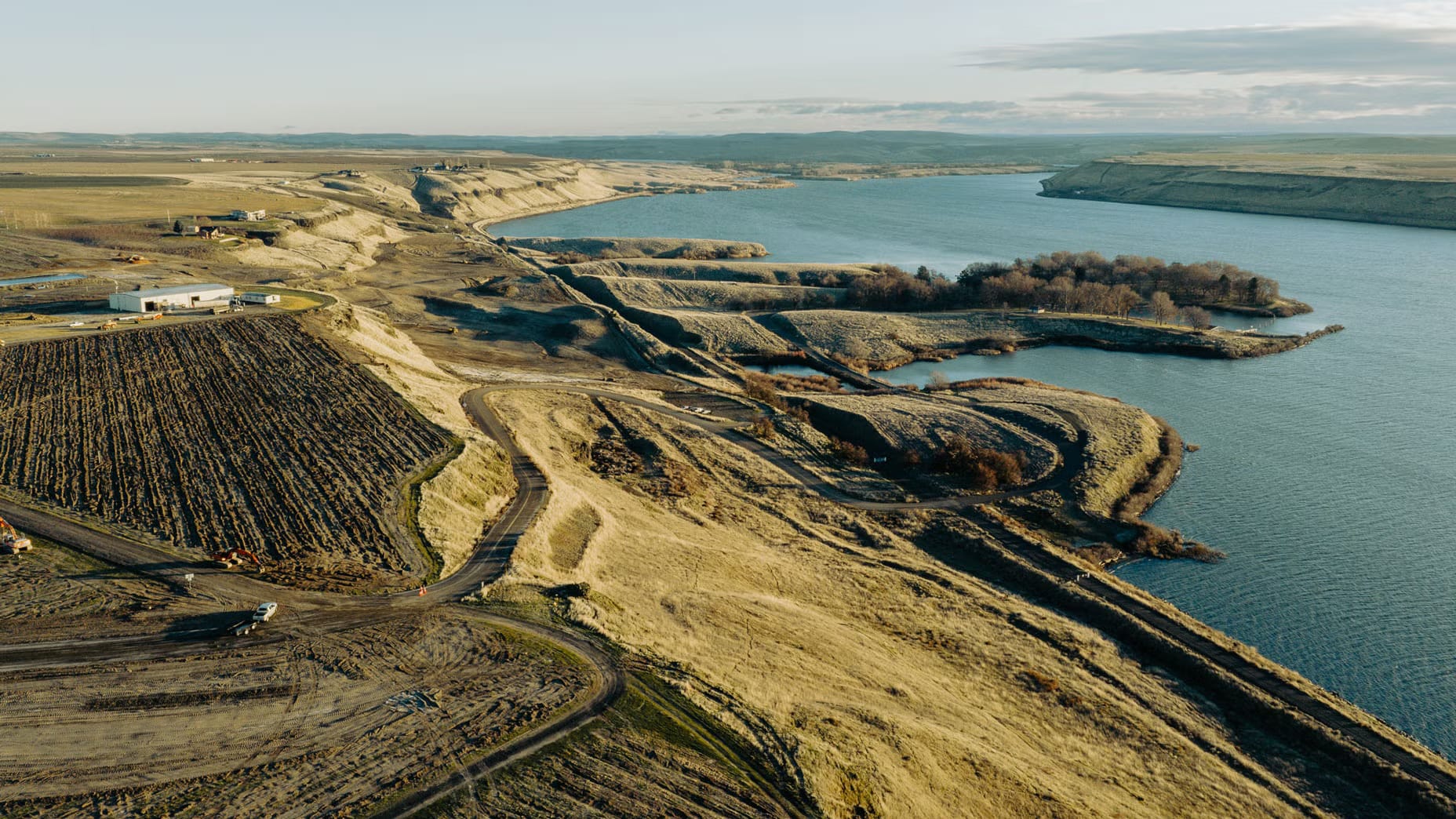
When David McLay Kidd first stepped onto the site for River Ranch, he immediately recognized its unique potential. "When I first set foot on the site for River Ranch, I knew I’d found another unicorn,” he remarked. This sentiment isn’t simply promotional; it underscores the likeliness that this new destination will offer golf enthusiasts an experience unlike any other. The property, perched on the bluffs of the Snake River near Pasco, boasts enticing features such as sweeping vistas, varied elevations, and sandy soil—ideal for fescue grass.
Ancient floods and winds have shaped the terrain of this distinct property, creating an intriguing canvas for McLay Kidd to craft a golf course that intertwines seamlessly with the natural environment. Set to debut in August 2027, River Ranch tells a story rooted in the beauty of the Pacific Northwest while promising to be a game-changer in golf architecture.
A Growing Trend in Golf Course Development
The development of River Ranch comes at a time when the golf course sector is seeing a resurgence, particularly in the realm of luxury resorts and private clubs. McLay Kidd’s focus on unique locations resembles a broader trend within the industry, as developers seek out extraordinary sites capable of providing unforgettable golfing experiences. His previous work at venues like Bandon Dunes, where he first forged strong ties to the Pacific Northwest, exemplifies this commitment.
Originally viewed as a bold and ambitious venture, Bandon Dunes defied industry norms and proved to be a landmark success. McLay Kidd’s ongoing relationship with this region speaks to the vital role he plays in transforming golf architecture into art and experience.
Ownership and Community Vision
The River Ranch project is backed by a dedicated local ownership group with a vision of creating a community-oriented destination. Plans include not only a state-of-the-art golf course but also overnight accommodations in guest cottages, a clubhouse offering striking river views, and residential properties for interested buyers. Operations will be managed by KemperSports, a well-regarded name in the industry that’s been involved with Bandon Dunes since its inception.
This strong foundation of support illustrates how crucial community engagement is in modern golf course development. As the enthusiasm for golf continues to grow, projects like River Ranch aim to marry the sport with hospitality and community living.
The Architect’s Journey Continues
In addition to River Ranch, David McLay Kidd remains actively engaged in various projects across the United States. One notable endeavor includes a new course at Streamsong, another highly anticipated property with plans for a yet-unnamed layout adjacent to the esteemed Black Course. This flurry of activity highlights Kidd’s commitment to finding unique and compelling sites, even as he reflects on his career.
As he mentioned, “The older I get, the choosier I become,” indicating a selective approach to project choices. With more courses behind him than ahead, Kidd is diligently searching for those rare opportunities—the “unicorns” in the world of golf course design.
The Naming Trend in Golf Courses
One intriguing aspect of golf course design is the trend in naming new layouts. As the industry evolves, the process of course names often comes under scrutiny. With foresight into the upcoming fourth 18-hole course at Streamsong, many are left speculating about the new name. Three existing courses are named after colors—Red, Blue, and Black—leading many to presume the next will follow suit. However, insiders remain tight-lipped, hinting at the possibility of a surprising departure from the norm.
The creativity behind naming golf courses reflects each venue’s individuality. As Pinehurst president Tom Pashley humorously noted, naming can become so methodical that some resorts might as well go sequentially. This adds another layer of intrigue to the world of golf course development, emphasizing the importance of branding in enhancing overall golfer experience.
Regional Developments and Community Impact
Glimpses into other regional developments highlight how golf courses are evolving to serve communities better. For example, Trilogy Golf Club at La Quinta has unveiled a new restaurant named "Kitchen Ten Eleven," a nod to the 1,011 homes within its community. By paying homage to local roots, course developers acknowledge the significant role neighborhoods play in shaping their identities.
These developments contribute to a broader community dialogue, reinforcing the idea that golf courses are more than just recreational venues; they are vital components of community life and local culture.
The PGA Merchandise Show: A Disconnection
As much chatter as there is about course development and new designs, events like the PGA Merchandise Show encapsulate the heart of the golf industry. Despite being in its 73rd year, some industry experts, including myself, have yet to attend. For many, the PGA Show represents a chance to explore new innovations and network with industry peers. However, personal experiences often shape our perceptions of events—the mix of curiosity and apprehension surrounding such gatherings can foster a unique stance.
As we approach the latest iteration of the PGA Merchandise Show in Orlando, many familiar with the event stand in anticipation. Although I personally have maintained a "no-show" streak, colleagues eagerly share insights and discoveries from the convention, ensuring that even from afar, one remains connected to the evolving golf landscape.
Looking Ahead: The Future of Golf Architecture
The world of golf architecture is on the brink of transformation, driven by creative minds like McLay Kidd and a growing commitment to community-centered designs. As we look toward the future, it is clear that golf courses have the potential to be dynamic spaces that not only offer sporting challenges but also enrich community life and celebrate local history.
With projects like River Ranch leading the charge, the vision for golf continues to expand. As more architects embrace the idea of unique, "unicorn" sites, we can expect a fresh wave of innovative golfing destinations that elevate the sport and redefine what golf can mean to communities across the globe.
Conclusion: A New Era in Golf
As the golf world evolves, the emergence of "unicorns" within course design represents a pivotal moment in the industry’s trajectory. The unique projects currently being developed—like River Ranch Golf Resort—signal a shift towards a more integrated approach to golf that prioritizes collaboration, community impact, and design ingenuity. With architects like David McLay Kidd leading the way, the landscape of golf continues to offer new and exciting possibilities for enthusiasts. Embracing the essence of what makes each site special will ensure that the sport remains vibrant and engaging for generations to come.
