

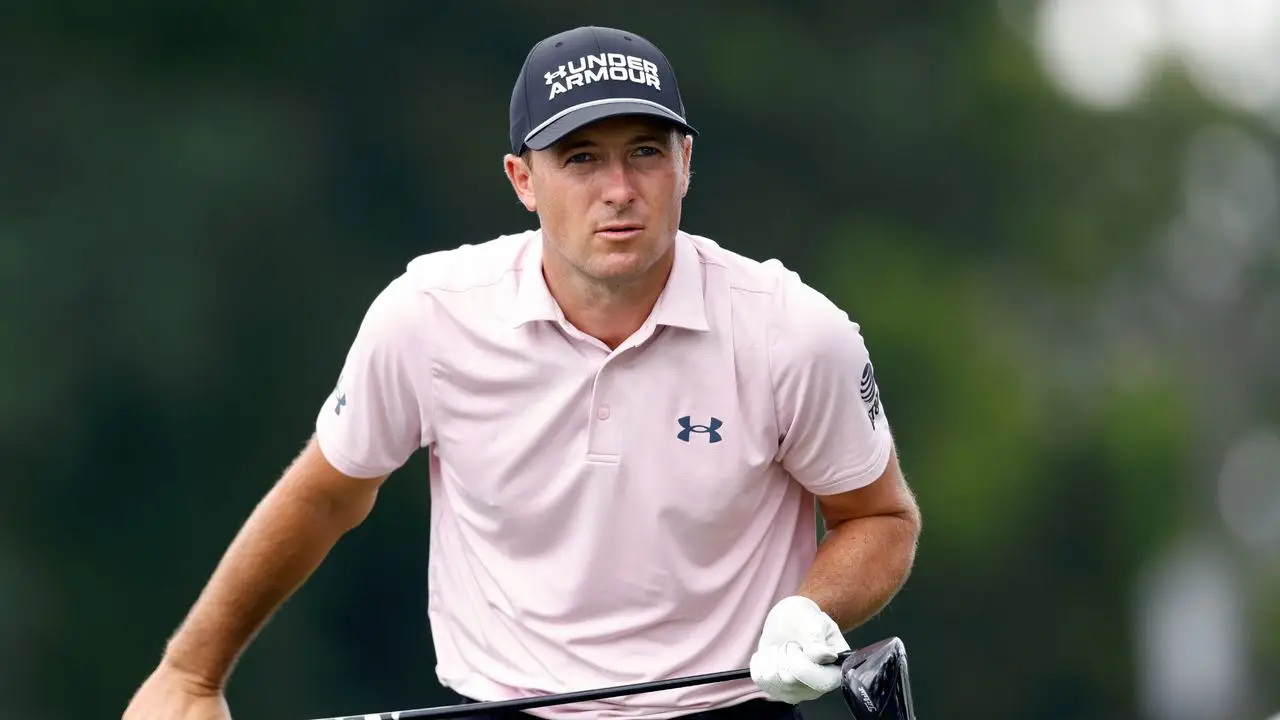

The Spieth Narrative We Need to Stop Believing
Look, I’ve been around this tour long enough to know that a missed cut stings differently depending on who’s holding the scorecard. When Jordan Spieth missed the cut at TPC Scottsdale last week, the golf world did what it always does with Spieth these days—it whispered. Is this the guy we think it is? Has the injury really derailed him for good? Can he ever get back?
Here’s what I think we’re getting wrong: We’re treating one-off tournaments like they’re chapters in a predetermined narrative, when the truth is messier and, frankly, more interesting than that.
The Mental Game Nobody Talks About
In my 35 years covering this tour, I’ve learned that what separates the three-time major champion from the mid-pack grinder isn’t always the golf swing. It’s the space between the ears. Spieth’s own assessment from Phoenix is worth serious consideration here:
“I got in a bad kind of mental place Friday. I was swinging it well and I decided to tell myself I wasn’t. I just had a bad day.”
That’s not an excuse. That’s self-awareness. And coming from a player who has literally won majors, it’s significant. I caddied for Tom Lehman back in the day, and I watched him battle with exactly this phenomenon—the moment your brain starts arguing with what your body is telling you, you’re finished. Lehman would say it felt like having an argument with yourself while trying to thread a needle.
What strikes me about Spieth’s Phoenix narrative is that he didn’t blame the course, the wind, or his swing mechanics. He identified a mental hiccup and moved on. That’s the mark of someone who understands what actually matters.
Pebble Beach and the Real Tell
Then came Pebble Beach. A 66 at Spyglass. His lowest round since July. And here’s where I need to separate the hype from the substance: that score matters more than people realize, but probably not for the reasons you think.
“At Spyglass six under may be the best I ever shot around here so very pleased. It’s solid. It’s in a great spot.”
Spyglass is notoriously difficult. It’s a track that demands precision and setup play, which means it’s not forgiving to a player working through rust. Shooting that low there isn’t about catching a day when the pin placements cooperate. It’s about fundamentals clicking into place. The fact that Spieth identified this as close to his range performance is the real signal here.
I’ve covered 15 Masters. I’ve watched players return from injury, layoffs, and mental reset periods. The pattern that usually precedes a genuine comeback isn’t flashy. It’s quiet. It’s a player noting that practice-range performance is finally matching course performance. That’s where Spieth is sitting right now.
The Consistency Question
Here’s where I think casual observers miss the nuance. Spieth himself identified the actual issue in his latest comments:
“I’ll go do performance practice on the range and just be as good as ever, but bringing it to the course, sidehill lie, wind changes, pins tucked, that kind of stuff. I just haven’t played many rounds since August and it really got really good since August with a lot of work.”
He’s not saying his swing is broken. He’s saying his decision-making under pressure needs more repetitions to sharpen. That’s not a crisis. That’s a straightforward talent development problem, the kind every player faces when returning to competitive action. You can’t replicate tournament conditions on the practice range—no matter how good your range work is.
The last time Spieth had extended tournament play was August. We’re now in February. That’s a meaningful gap for a player trying to find competitive rhythm. But here’s the thing: it’s also fixable. It’s not a structural swing issue or a psychological crisis. It’s basically saying, “I need more rounds to get sharp.”
What Actually Matters Going Forward
In my experience, the comeback narratives that hold up are the ones where the player shows incremental improvement through tournament play rather than dramatic breakthroughs. Spieth’s showing that trajectory: a missed cut followed by a strong opening round at a major championship venue. That’s the right direction.
The AT&T Pebble Beach Pro-Am has historically been good to Spieth. He clearly feels comfortable there, even mentioned playing with his brother on Sunday morning before settling into tournament mode. That kind of comfort is underrated. You need weeks where the venue and your mindset align.
What I’m watching for now is consistency across rounds and across tournaments. One good round proves nothing. Three solid weeks in a row proves something real. And if Spieth can string together tournament rounds while sharpening that face control under competitive pressure, we’ll start to see whether this is genuinely a player finding his way back or just a talented guy having hot weeks between cold ones.
The narrative we should stop believing is that one missed cut means collapse, or that one good round means comeback. The real story with Jordan Spieth is patient, measured, and still being written. After 35 years on this beat, I can tell you: that’s when things get interesting.
