


LIV Adelaide’s Four-Day Format Shows Smart Evolution—But Money Alone Won’t Build a Legacy
I’ve been watching professional golf long enough to know that when a league extends a tournament by an extra day, it’s rarely about the fans. Usually, it’s about the money—or at least, that’s what the cynics say. But after 35 years covering this game, I think LIV Golf Adelaide’s shift to a four-day format is actually something worth paying attention to, even if the financial numbers are what grabbed the headlines first.
Let me be clear: the money is staggering. A $20 million individual purse with $4 million to the winner is the kind of number that would’ve made me spit out my coffee back when I was caddying for Tom Lehman in the ’90s. But here’s what strikes me about Adelaide specifically—and what I think separates this event from some of the other LIV stops—the extra day isn’t just a money grab. It’s an acknowledgment that building something sustainable in golf requires more than just massive checks.
The Home-Court Advantage That Actually Matters
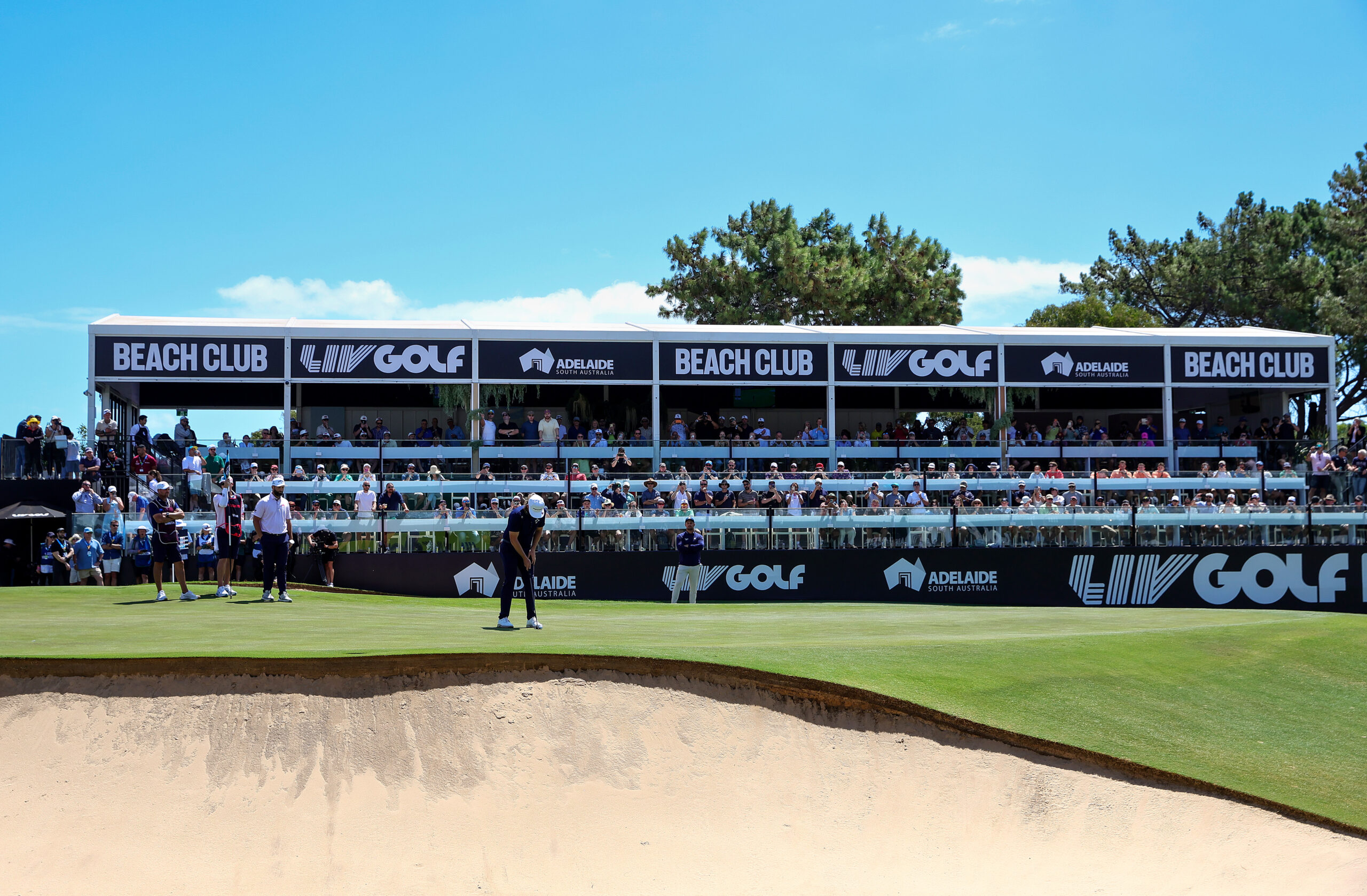
Ripper GC defending their 2024 title on Australian soil with four days of home support isn’t a small detail. I’ve covered enough Masters to know that fan energy creates momentum, and momentum in a team format can be the difference between a $3 million payday and going home empty-handed. Cameron Smith and Lucas Herbert sitting T4 after three rounds, five shots back of Legion XIII—that’s entirely winnable territory, and having another full day with the crowd behind them genuinely changes the calculus.
What I appreciate here is that LIV seems to understand something that took traditional tour operators decades to figure out: golf is a game that thrives on narrative. Four days allows for story arcs. It allows for comebacks. It allows Australians to rally around their homegrown franchise in a way that three days simply doesn’t accommodate.
Follow the Money—But Mind the Structure
Now, the financial architecture here is worth unpacking. We’re looking at a tiered system that’s genuinely complex:
| Position | Individual Prize | Position | Individual Prize |
|---|---|---|---|
| 1st | $4,000,000 | 25th | $195,000 |
| 2nd | $2,250,000 | 30th | $170,000 |
| 3rd | $1,500,000 | 40th | $135,000 |
| 10th | $415,000 | 50th+ | $50,000 |
But here’s something the casual observer might miss: “Winning the team title—where all four players’ scores are added up across each of the four rounds—will lead to a $3 million payout from a grand total of $10 million.” That team money gets funneled back into the franchise itself, not distributed among the roster. In my experience, that’s smart governance. It creates organizational incentive rather than just individual incentive.
What’s more innovative is the new $2.3 million team bonus pool. According to the source material, “captains can allocate to their team players as they wish.” That’s a meaningful wrinkle. It gives captains—think of them as de facto general managers—actual discretion in how they reward performance. That’s how you build team chemistry. That’s how you create buy-in beyond the base contracts.
The OWGR Problem LIV Still Can’t Fully Solve
Here’s the rub, though. Even with $20 million in prize money and four days of compelling golf, LIV players still collect “limited number of OWGR points on offer to LIV players” compared to traditional tour events. I’ve covered enough ranking drama to know this matters deeply to the players, regardless of what they say publicly. Money is great, but competing for a Green Jacket or a Claret Jug requires world ranking points, and that’s still a structural disadvantage LIV hasn’t fully overcome.
That said—and this is important—the no-cut format with a $50,000 minimum payout for everyone in the field is genuinely player-friendly. I’ve seen talented golfers struggle because one bad week wipes out their financial cushion. That safety net has value.
The Bigger Picture
What Adelaide represents, in my view, is LIV Golf starting to think like a mature sports league rather than just a venture capital experiment. The four-day format, the team bonus structure, the geographic specificity of defending a home championship—these are elements that could actually build something lasting. It’s not just about how much money you’re throwing around; it’s about how intelligently you’re deploying it.
Will it work? Ask me after we see how the final round plays out. But I’ll tell you this: after three decades of watching golf tour politics, I recognize the difference between a gimmick and genuine innovation. Adelaide’s showing signs of the latter, and that matters more than the headline numbers ever will.
